Public Citizen and CREW challenge Trump taxpayer-funded ads
Advocacy groups asked regulators and watchdogs to investigate ads praising Trump that the White House calls public service announcements.
By Dominic Okoye · Staff Writer
· 3 min read
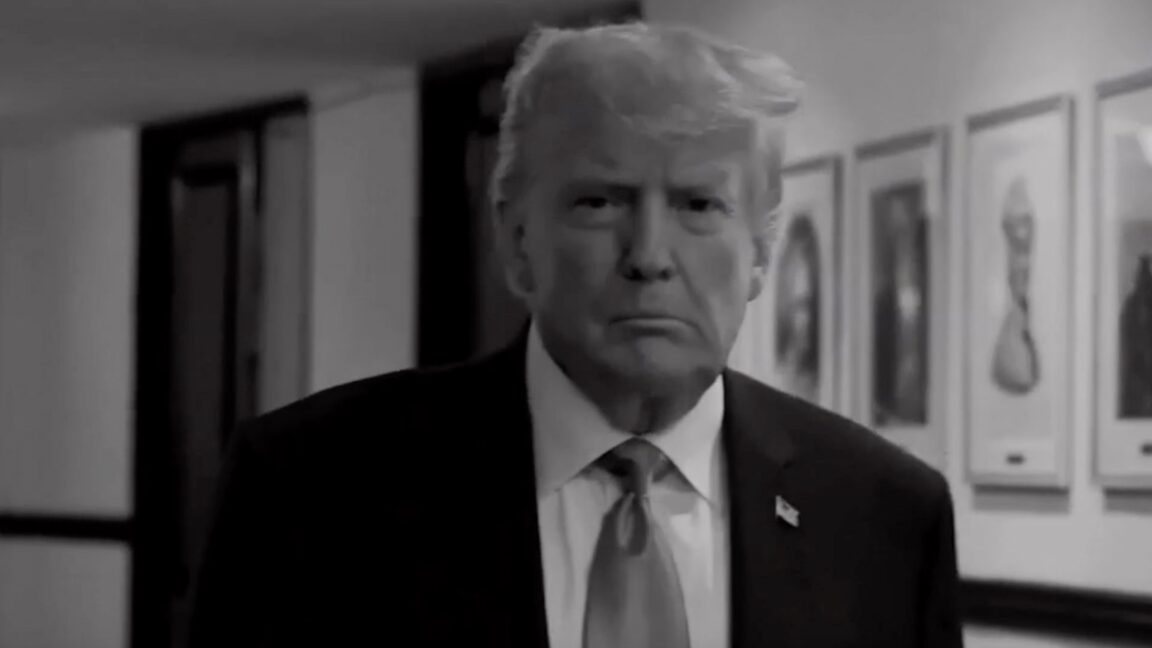
Public Citizen and Citizens for Responsibility and Ethics in Washington, or CREW, have filed complaints over Trump taxpayer funded ads that carry a “Paid for by the U.S. Government” notice. The groups argue the spots may violate federal limits on using appropriated money for propaganda or partisan political activity, while the White House calls them nonpolitical public service announcements.
No court, agency or oversight body identified in the available reporting has found the ads unlawful. The dispute instead concerns a campaign of television spots that began airing Sept. 23 and has run on network, cable and sports programming.
What are the Trump taxpayer-funded ads?
The advertisements feature President Donald Trump and end with a federal-government payment disclosure. One, titled “The Final Battle,” uses video and audio that had appeared in a Trump 2024 campaign advertisement, according to Public Citizen. The newer version identifies the U.S. government as the payer.
Other spots include Trump saying that America will not become a communist country and calling the United States exceptionally successful. Reporting cited by Public Citizen says the ads aired during Saturday Night Live, Fox News Sunday, and college and NFL football games.
The funding account remains unsettled in the reporting. The Wall Street Journal, as cited by several outlets, reported that Customs and Border Protection funds within the Department of Homeland Security paid for the ads. Associated Press reporting said the specific government funding source was still unclear. Estimates of spending also vary: AdImpact put aired media costs above $1.4 million, while Senate Democrats alleged that DHS had set aside $20 million. Those figures are not final government accounting.
What do the complaints allege?
Public Citizen asked the Federal Communications Commission and Federal Trade Commission to tell broadcasters to stop carrying the ads. It also lodged complaints with the Government Accountability Office and the Office of Special Counsel, according to Ars Technica.
The organization argues that federal appropriations restrictions bar using public money for publicity, propaganda, self-promotion or partisan advertising. It says broadcasters do not have the special obligations that apply to candidate advertising because Trump is not a candidate for elective office.
CREW separately asked the DHS inspector general to investigate. Its complaint points to appropriations rules, including the Antideficiency Act and the Purpose Statute, as possible grounds for review. Those are allegations made by the advocacy groups, not agency findings.
How has the White House and FCC responded?
The White House says the ads are public service announcements rather than campaign commercials. It has said Trump is not on the ballot, the spots contain no call to action, and their purpose is to remind Americans to value and defend the country at home, at the border and abroad.
Critics say the spots do not explain a specific government program or help people access one, which they contend distinguishes them from a public-service announcement. Legal experts consulted by the Associated Press said the advertisements appear to conflict with restrictions on propaganda spending and limits on partisan political activity by federal employees.
FCC Chair Brendan Carr said, according to The Guardian, that the spots fit standard practice, presented no red flags and did not require commission intervention. That statement is not a legal adjudication, and the reporting does not document action by the FCC, FTC, GAO, Office of Special Counsel or DHS inspector general on the complaints.
This story draws on original reporting from Ars Technica.