Thomas Kennedy sues over CBP phone search at Miami airport
An immigration advocate alleges CBP copied data from his phone, renewing scrutiny of warrantless device searches at U.S. borders.
By Renata Fuchs · Policy Reporter
· 3 min read
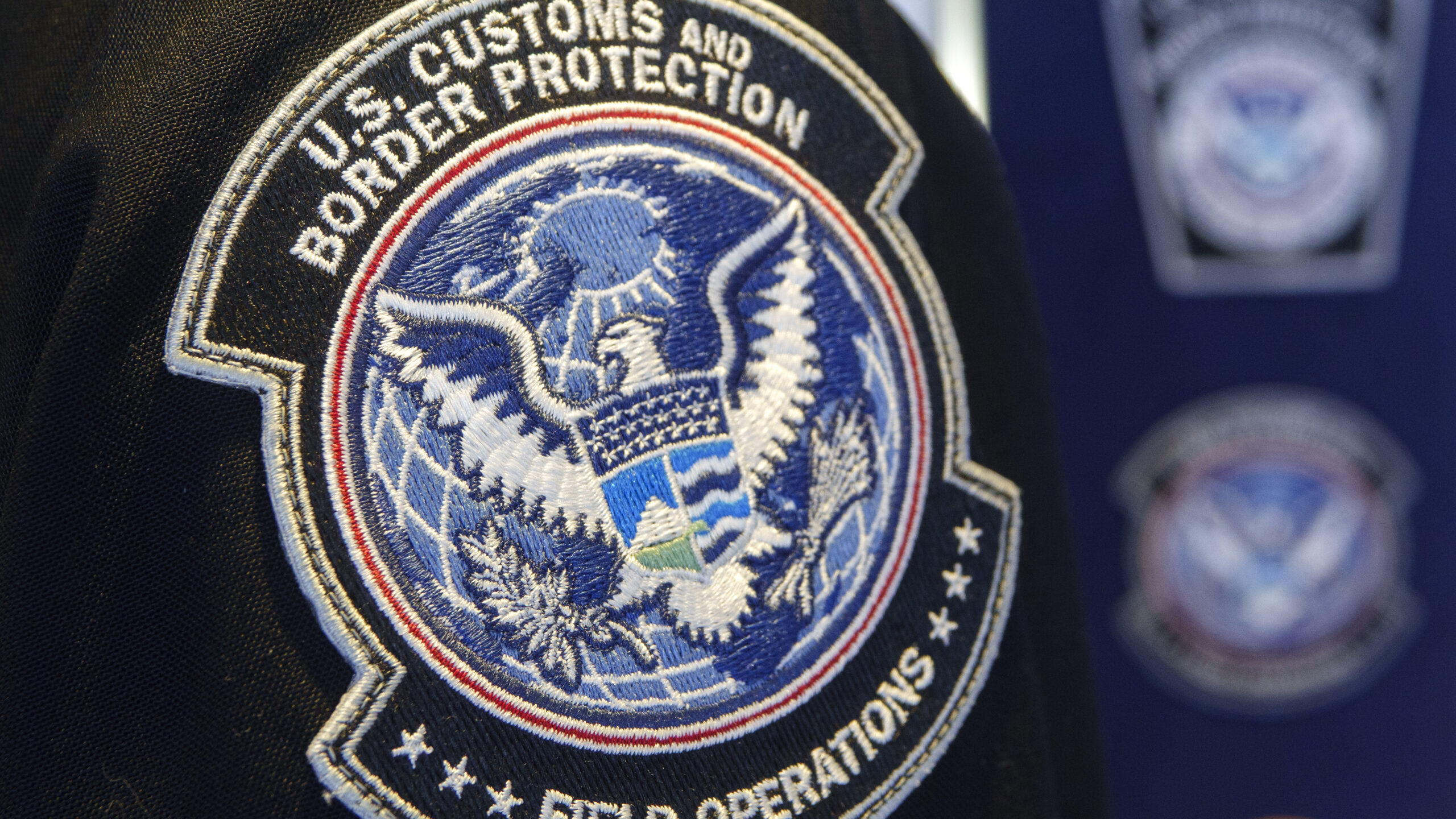
Thomas Kennedy, an Argentinian-American writer and immigration advocate, has sued the federal government after a U.S. Customs and Border Protection agent allegedly demanded his phone when he returned through Miami International Airport. The case puts CBP phone searches at the border back in focus: routine searches of travelers’ devices can generally occur without a warrant or individualized suspicion, though the rules for more invasive examinations remain unsettled.
According to Kennedy’s complaint, reported by Ars Technica, an agent searched his bags, questioned him about books and magazines, and requested his phone. Kennedy alleges the agent said the device could be held indefinitely if he refused. He says the phone was taken for about 45 minutes, that he believes its data was copied, and that he was released without charges.
Kennedy is seeking deletion of any copied data. He alleges that he was singled out because of his immigration-rights organizing and political work. Those allegations have not been adjudicated.
Can CBP search your phone without a warrant at the border?
Generally, yes for a routine inspection. The University of California Office of the President says the border-search exception reduces the Fourth Amendment’s usual warrant and probable-cause requirements at international borders and ports of entry. Under that framework, CBP can search smartphones, laptops, tablets and storage devices without a warrant or individual suspicion, according to the university’s guidance.
The authority applies to people entering the United States, including citizens, lawful permanent residents and visa holders. It does not settle every question about device searches. The Supreme Court has not specifically ruled on electronic-device searches at the border, and the limits on more intrusive or forensic examinations remain contested in court, according to the UC guidance.
CBP’s policy, as described by Ars Technica, says the agency may copy information where it has probable cause to believe it is evidence of a violation within CBP’s remit, or where the information relates to immigration, customs or other enforcement matters. That policy should not be read as resolving the broader legal disputes around advanced searches.
How often does CBP search travelers’ devices?
CBP said it searched electronic devices belonging to 55,318 international travelers at ports of entry during fiscal 2025, from more than 419 million travelers processed. The agency characterizes such searches as rare. Those figures work out to roughly 0.013%, not 0.0013%, the percentage stated in the Ars report.
What can travelers do if agents request a device?
This is practical guidance, not legal advice. The ACLU of Maine says a U.S. citizen cannot be denied entry for declining to provide a password, but could face a longer detention or seizure of the device. It says visa holders may be denied entry for refusing access; consequences can differ by immigration status and circumstances.
- Carry fewer devices and less sensitive data when feasible.
- Use a strong passcode rather than biometric unlocking, and power devices off before crossing.
- If a device is taken or searched, request a receipt with device and agency contact information.
Those measures cannot prevent a search, but they address the amount of information immediately available on a device at the point of entry, according to the ACLU of Maine.
This story draws on original reporting from Ars Technica.