Wisconsin Flock camera contracts shrink as shared network loses local value
Wisconsin cities are ending Flock deals, and officials say the resulting gaps weaken the cross-jurisdiction coverage that justified joining.
By Dominic Okoye · Staff Writer
· 3 min read
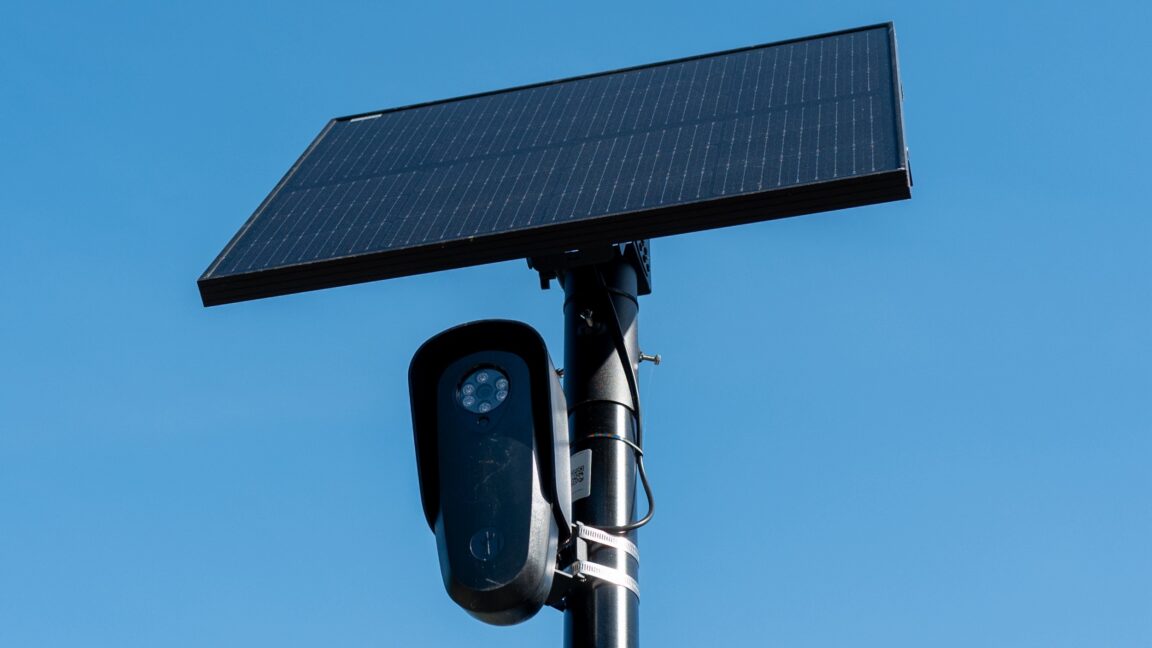
Wisconsin Flock camera contracts are being canceled, allowed to lapse or reconsidered across the Madison-area and Fox Valley regions, reducing the local reach of the company’s shared license-plate-reader network. The change matters to Flock because agencies buy more than cameras: they buy the ability to search vehicle sightings from participating jurisdictions, and that proposition weakens as nearby systems go offline or move to other vendors.
The clearest example came from McFarland, a town near Madison. On May 15, it said it would not proceed with a planned Flock deployment, citing resident input and a smaller Dane County database. Police Chief Brian Redman said the loss of Dane County funding had eliminated about half of the potential camera network in the county, changing McFarland’s expected return on investment.
That is a local network effect running in reverse. A participating department can search more routes and jurisdictions when neighboring agencies use the same system. Departures create gaps in that coverage, giving the next prospective customer less reason to join and remaining customers less reason to renew. The developments described here show a regional contraction, not evidence that Flock’s national business has lost value.
Why are Wisconsin cities ending Flock camera contracts?
Officials have cited privacy, trust and oversight alongside the narrower operational question of whether a diminished network is worth the cost. Dane County’s Board of Supervisors voted April 16 to cut $80,000 in funding for Flock cameras and bar further spending on the system. The county had contracted for 24 cameras, and its data had previously been accessible to 140 other law-enforcement agencies, according to Ars Technica.
Other Madison-area decisions followed. Fitchburg voted May 26 to discontinue its subscription; local leaders cited concerns about Flock’s national search feature and uncertainty about how searches run elsewhere could use the data, Ars Technica reported. University of Wisconsin-Madison police said July 3 that they would not renew and would seek another ALPR vendor. Stoughton voted July 28 to terminate its deal, paying a $12,500 early-buyout fee after local opposition.
Flock’s system was not without reported investigative use. Stoughton police said it helped locate a missing or runaway 15-year-old after a license plate was entered into the system. But that benefit did not settle the city’s contract debate.
Fox Valley departures add to the coverage gaps
In northeastern Wisconsin, Oshkosh reversed an April Flock decision, Appleton said in May it would stop using the company, and Grand Chute canceled in June and switched to Axon, according to Ars Technica. The ACLU reported that Oshkosh revoked its approval after a dispute over whether Flock’s product could generate a vehicle-location heat map; the group said Flock later acknowledged that the system could display point-in-time captures over as long as a month.
Kaukauna then said in July that it would not renew. The city said collaboration with nearby Flock users had been a principal attraction, and Police Chief Jamie Graff said continued spending was not fiscally responsible given the concerns raised and the reduced ability to work with area communities.
These decisions do not show Wisconsin abandoning automated license-plate readers. Madison says it does not use them, but several governments leaving Flock have said they still support the technology or intend to consider alternatives. Many such cameras also remain in operation statewide. For operators selling networked public-safety software, the lesson is narrower: local governance disputes can damage the coverage density on which a shared-data product depends.
This story draws on original reporting from Ars Technica.