Cable groups seek to block FCC repeal of TV ownership cap
Cable associations have asked the FCC to pause its repeal of the 39% TV ownership cap and say they plan a court challenge.
By Dominic Okoye · Staff Writer
· 3 min read
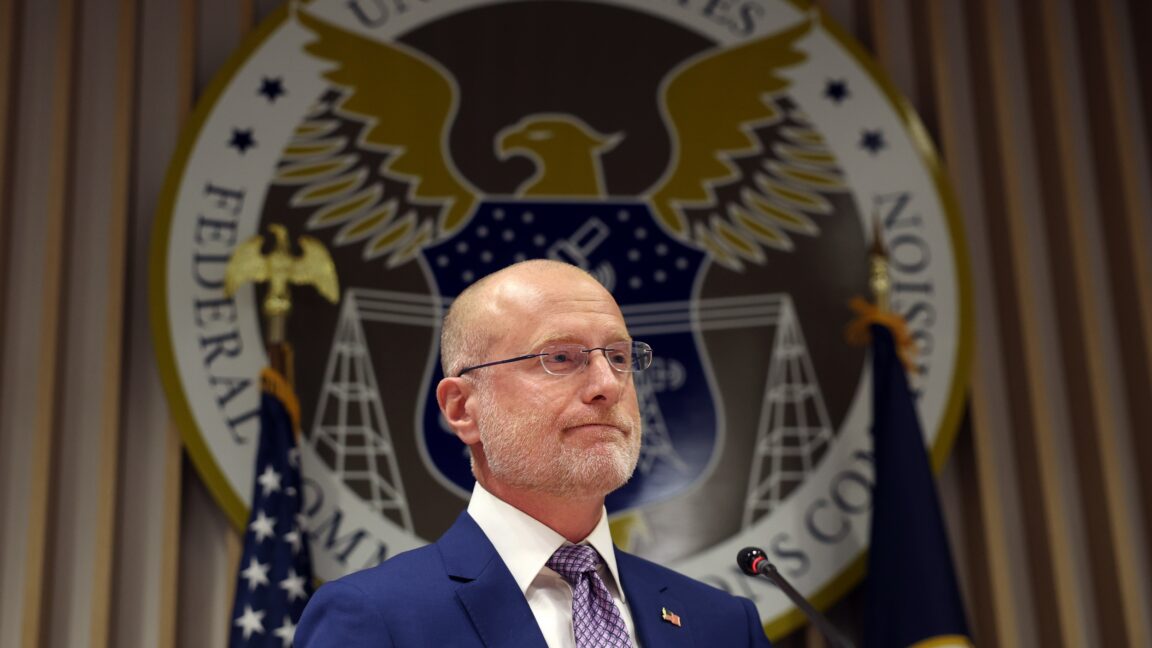
State and regional cable associations have asked the Federal Communications Commission to keep its former national TV ownership cap in place while they pursue a planned court challenge to the agency’s repeal. The groups, whose members include Comcast, Charter and Cox, say the FCC cannot discard the 39% limit Congress directed it to set in 2004.
The petition does not mean a lawsuit has been filed. According to Ars Technica, the associations said they intend to appeal after the FCC order is published in the Federal Register, then seek a preliminary injunction to preserve the cap during the case.
The FCC adopted the repeal on August 6 and released its Report and Order on October 1. The former rule generally prevented one broadcast-station owner from reaching more than 39% of U.S. television households. Under the new approach, transactions are to receive a case-by-case public-interest review rather than face a fixed national ceiling.
What did the FCC replace the TV ownership cap with?
The FCC replaced the 39% rule with what it calls a granular review of individual broadcast transactions. The agency says it can approve deals that meet its public-interest standard and reject those that do not, including deals that would have exceeded the former threshold.
In its order, the FCC argued that Congress instructed the commission to amend its rules in 2004 rather than writing an unchangeable ownership ceiling directly into statute. The agency says it retained authority under the Communications Act to modify ownership limits and that a flexible review can account for current market conditions.
The commission also said digital platforms now have national reach without comparable ownership restrictions, and contended that removing the cap would help broadcasters compete. Chairman Brendan Carr and Commissioner Trusty approved the action, while Commissioner Gomez dissented, according to the FCC.
Why do cable groups oppose the repeal?
The cable associations take the opposite legal view. Their filing says Congress established a binding 39% cap through its 2004 action and that the FCC therefore lacks authority to repeal it. The groups asked the agency to stay its order pending their planned appeal.
They also contend that larger broadcast groups could use greater scale to seek higher retransmission fees from TV providers, which they say could raise monthly consumer TV bills. That is the cable industry’s forecast, not an outcome established by the FCC order.
The filing came from associations representing cable operators in Colorado, Florida, Indiana, Michigan, Minnesota, Mississippi, Pennsylvania, Virginia, Washington and the six New England states, according to Ars Technica. Their memberships include both large and smaller providers.
A separate coalition of public-interest, labor and journalism groups has also sought an FCC stay of the repeal. That action, filed October 9 according to Reporters Without Borders, is distinct from the cable associations’ petition and likewise argues that Congress, rather than the agency, must change the cap.
The immediate dispute is procedural: whether the FCC will pause its own order and, if the cable groups file their appeal, whether a court will halt the repeal while it reviews the agency’s authority. Neither question has been resolved in the available record.
This story draws on original reporting from Ars Technica.