Intel and Broadcom CEOs say capital could constrain AI expansion
Intel’s Lip-Bu Tan and Broadcom’s Hock Tan said financing costs and proof of returns may shape AI build-outs beyond the current supply crunch.
By Colin Brandt · Enterprise Reporter
· 3 min read
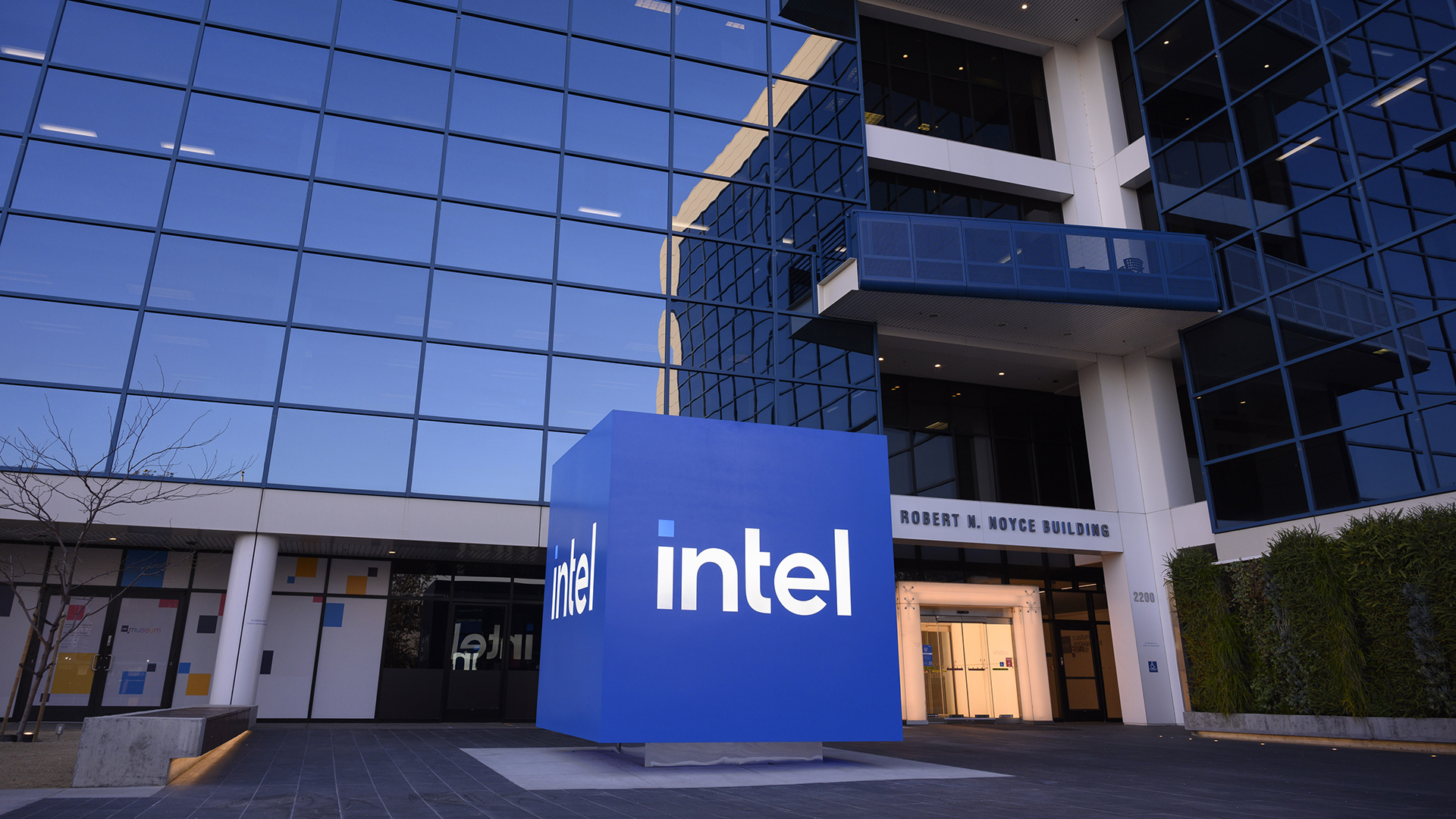
Intel and Broadcom AI capital constraints were the focus of remarks by Intel chief executive Lip-Bu Tan and Broadcom President and CEO Hock Tan at the DBS Asia Future Forward Conference in Singapore on Oct. 12. Both executives said access to financing and the cost of capital could become material limits on AI infrastructure expansion, even as demand for computing capacity remains ahead of supply.
The comments shift attention from the familiar physical constraints around chips, memory and electricity to the financing required for data centers and other AI infrastructure. Neither executive presented capital as an existing industry-wide ceiling. They described it as a potential challenge as companies continue to fund large AI investments and investors look for evidence that spending produces returns.
Why do Intel and Broadcom see capital as an AI constraint?
Hock Tan said capital could become the biggest constraint on AI growth, potentially exceeding semiconductor, memory and power shortages as an obstacle. Lip-Bu Tan pointed to both the availability and cost of capital, adding that investors will want to see return on investment over the longer term.
For operators, the distinction is straightforward. Component availability and power capacity concern whether infrastructure can be built. The executives’ longer-run concern is whether the projects can be financed at acceptable cost and whether companies can show tangible returns from AI spending, including improved efficiency and new business models.
Those questions have not displaced the supply shortage. Hock Tan said demand for compute infrastructure currently exceeds available supply and that the gap could last through 2029, and possibly into 2030. Lip-Bu Tan said he did not expect a significant slowdown in the next two to three years, citing AI application adoption and demand for computing power.
When could AI infrastructure bottlenecks ease?
Hock Tan said the industry has encountered a series of bottlenecks over the past two years and that some constraints may ease as production capacity grows. He said wafer shortages could improve in 2028 or 2029, while power availability could also improve as new infrastructure comes online.
That is not a forecast that the entire supply problem will disappear. Broadcom’s CEO separately said the imbalance between compute demand and supply could persist into the end of the decade. He also cautioned that infrastructure demand could weaken if adoption of advanced AI models disappoints or gains in model capabilities level off, according to CNBC.
DBS had positioned the inaugural conference around AI’s effects on business models, work, value creation and capital flows. The bank said before the event that the two semiconductor executives would join DBS CEO Tan Su Shan to discuss potential AI value creation. DBS expected about 700 senior business leaders, entrepreneurs and investors to attend.
The event produced no disclosed financing arrangement or operating metrics tied to the executives’ remarks. Its substantive takeaway was narrower: chipmakers benefiting from the compute build-out are also flagging the economics of funding it and demonstrating commercial results as open questions beyond the current surge in demand.
This story draws on original reporting from SiliconANGLE.