Trump ads aired after court order, prompting DOJ apology
Trump administration ads kept running after a judge’s temporary halt, and DOJ said delayed internal notice caused the lapse.
By Renata Fuchs · Policy Reporter
· 3 min read
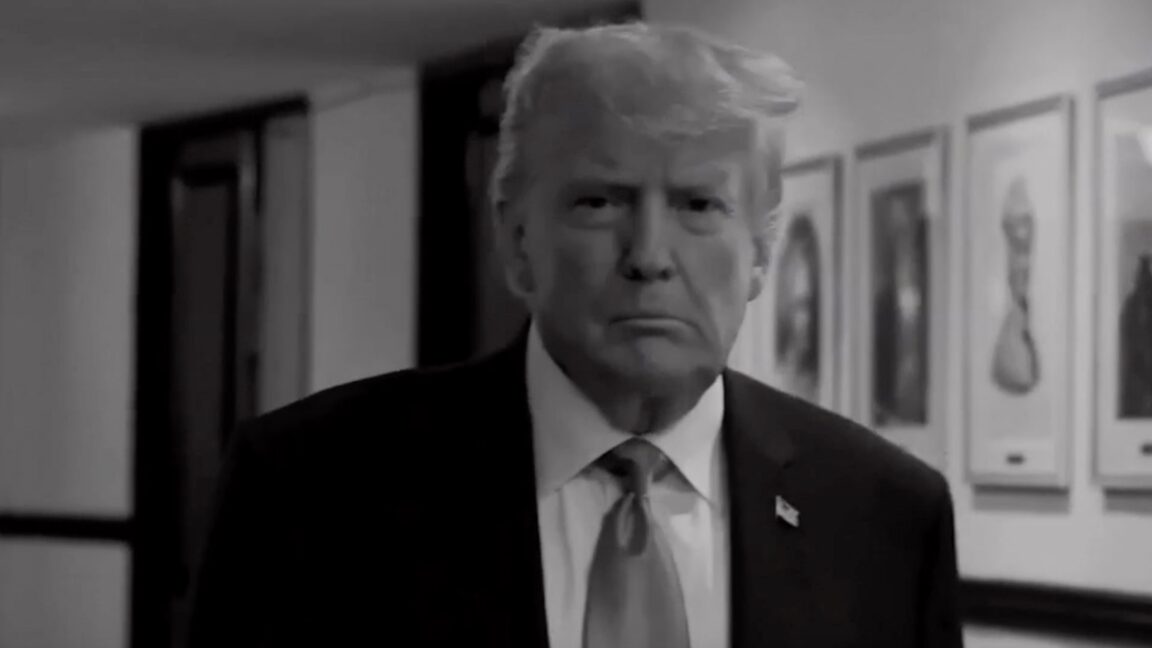
Trump ads aired after court order on Oct. 11, even though a federal judge had directed the administration to cancel the taxpayer-funded television spots that evening. The ads were part of a $20 million Customs and Border Protection purchase order, and the lapse put the administration’s handling of a campaign already under legal challenge before the court again.
U.S. District Judge Jennifer L. Rochon issued a temporary restraining order on Sunday, Oct. 11, effective at 6:45 p.m. The order required the government to cancel the challenged ads, including placements scheduled for that night. It also barred defendants for two weeks from entering, renewing or expanding agreements to create, distribute, place or air the commercials.
The Justice Department later told the court that the government was complying and apologized. In a status report, U.S. Attorney Jamie McDonald said government counsel emailed the order to agency counsel at 7:58 p.m., but agency counsel did not see that message until the following morning.
Why did the Trump ads air after the court order?
The Justice Department attributed the continued broadcasts to that delayed internal notice, not to a stated decision to disregard the order. Plaintiffs said in a subsequent filing that the ads ran nearly 400 times after the order took effect, including 32 times on Monday, citing AdImpact data. They said they were not then seeking contempt sanctions, but asked the court for a conference on compliance.
Before the ruling, the Department of Homeland Security had argued that an injunction was unnecessary because the media purchases would end Oct. 11. DHS told the court it had directed its vendor not to make additional media buys beyond that date and had no plans to use appropriated money for similar contracts.
What did the court find about the taxpayer-funded ads?
Rochon did not issue a final ruling on the merits. She found, however, that the plaintiffs were likely to prevail on their claim that the spending violated a 2026 appropriations restriction on domestic government-funded publicity or propaganda not authorized by Congress. She also found a clear and substantial likelihood of an Administrative Procedure Act violation.
The case was brought by Common Cause, Alabama state legislative candidate Robert Hunter, SEIU Local 32BJ and Empire State 32BJ SEIU PAC against DHS, the Office of Management and Budget and the Executive Office of the President.
One commercial, Rochon wrote, was nearly the same as a 2024 Trump campaign spot except that its disclaimer identified the U.S. government as the funder. The ad attacked Trump’s political opponents and did not provide information about DHS functions, according to the order. The White House has characterized the campaign as public-service advertising, while the plaintiffs contend it is unlawful political propaganda.
CBP issued the purchase order to LMD Agency on Sept. 20. DHS told the court that placements through Oct. 11 cost $19 million, meaning the agency did not represent that the full $20 million authorization had been spent. Rochon scheduled a Wednesday hearing to discuss compliance and next steps.
This story draws on original reporting from Ars Technica.