Waymo Santa Monica charging blocked overnight by judge
A Los Angeles judge barred Waymo from using two Santa Monica charging lots overnight while a public nuisance case continues.
By Renata Fuchs · Policy Reporter
· 3 min read
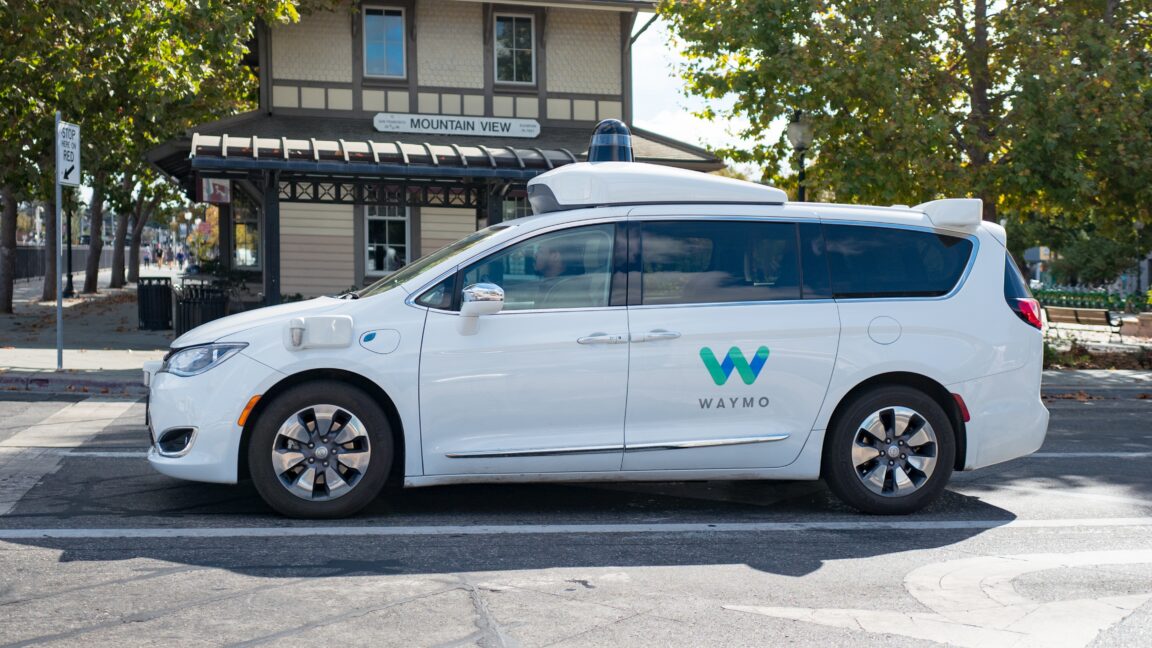
A Los Angeles Superior Court judge has ordered Waymo Santa Monica charging operations to stop overnight at two Broadway facilities, granting the city a preliminary injunction in a public nuisance lawsuit. The order bars Waymo from using the lots at Broadway and 12th Street and Broadway and Euclid Street between 11 p.m. and 6 a.m., a restriction that matters because autonomous vehicle fleets still depend on physical infrastructure that can collide with neighborhood tolerance.
Judge Bradley S. Phillips granted Santa Monica’s request this week, according to the court order. The city has argued that the facilities have generated persistent noise, light and traffic problems for nearby residents and streets since Waymo began using them in January 2025.
The ruling does not end the case. It pauses overnight activity at the Broadway charging sites while litigation continues. The next hearing is scheduled for October 2026, and Waymo has countersued, according to the record described by Santa Monica and Ars Technica.
Why did a judge restrict Waymo in Santa Monica?
Santa Monica’s case centers on whether Waymo’s charging lots have become a public nuisance. City officials and residents said the repeated movement of vehicles in and out of the facilities created backing beeps, vehicle noise, lighting impacts and congestion in nearby streets and alleys.
The facilities sit across from a private school, with apartment buildings and other homes close by. Neighbors had complained for more than a year before the court order, including through an online petition aimed at reducing noise from the sites.
One nearby resident, Christopher Potter, wrote in the petition that the repeated backup warning sounds from Waymo vehicles disturbed daytime quiet and nighttime sleep. Dylan Moore, another resident who created the WaymoProblems.org website, told Ars Technica that the neighborhood was noticeably quieter after the order took effect. A third neighbor, who was not named by Ars Technica, said the late-night period had been especially disruptive when vehicles were active around 2 a.m.
Santa Monica Mayor Caroline Torosis said in a city statement that residents’ ability to sleep in their homes “is not negotiable,” and said the ruling provides relief while the case proceeds.
What the order does and does not say
The injunction is narrow. It applies to the Broadway facilities at 12th and Euclid streets during the 11 p.m. to 6 a.m. window. It does not, based on the court order and city statement, resolve the broader dispute over whether Waymo can keep using the sites during other hours.
The available record also does not say what operational changes Waymo will make, whether the company will shift charging to other locations, or how the restriction will affect its Santa Monica activity. Waymo did not immediately respond to questions from Ars Technica.
For autonomous vehicle companies, the dispute points to a less glamorous constraint than driving software: depot operations. Charging, staging and maintenance sites can become flashpoints when they sit close to housing, especially if fleets run late into the night.
Santa Monica had already ordered Waymo to stop overnight use after complaints mounted, then sued the company in November 2025. With the preliminary injunction now in place, the city has a court-backed pause on overnight charging at the two lots while both sides continue to litigate the nuisance claims.
This story draws on original reporting from Ars Technica.