Trump cancels public livestream of Nidal Hasan execution
Trump said the firing-squad execution of former Army Maj. Nidal Malik Hasan will proceed without a public broadcast.
By Dominic Okoye · Staff Writer
· 2 min read
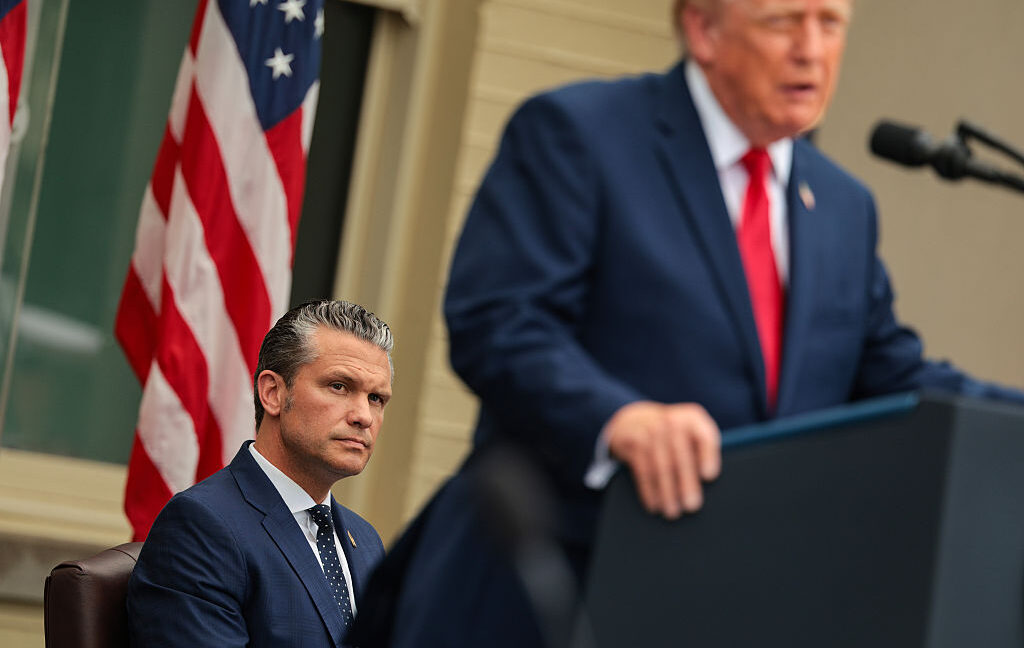
President Donald Trump canceled the Pentagon’s plan to publicly broadcast the firing-squad execution of former Army Maj. Nidal Malik Hasan, according to reports published Oct. 15. The reversal in the Trump cancels execution livestream decision leaves the execution in place while ending a proposed government livestream that Defense Secretary Pete Hegseth had announced the previous week.
Hasan, a former Army psychiatrist, was convicted in connection with the 2009 shooting at Fort Hood, Texas, in which 13 people were killed and more than 30 were wounded, according to Ars Technica. The Washington Post also reported that Trump said the forthcoming execution would not be livestreamed.
The narrow point is that the reported decision concerns public distribution, rather than the sentence itself. Trump said the execution by firing squad would proceed as scheduled but would not be streamed, Ars Technica reported.
Who can witness Nidal Hasan’s execution?
Only immediate family members of victims would be permitted to witness the execution, The New York Times reported. Ars Technica reported more broadly that victims’ families could still watch, while the public would not receive a broadcast.
That access distinction resolves the immediate question raised by Hegseth’s earlier remarks: a public viewing plan is off, based on the news reports, but a limited in-person audience remains contemplated. The reports available do not provide operational details on the viewing arrangements or identify a government release setting out them.
What did Hegseth announce?
Hegseth had said people would be able to watch the execution and that it would be public, according to Ars Technica. The Washington Post described Trump’s move as undoing a plan Hegseth had unveiled a week earlier.
Trump’s stated rationale, as reported by Ars Technica and The Hill, was that a public broadcast could have served as a deterrent but that many people would not want to see it. Accounts of further internal concerns, including how a broadcast might affect the country’s image or the people involved in carrying out the sentence, were attributed by Ars Technica to unnamed sources and CNN reporting.
The episode is a notable reversal because the Pentagon had moved from an announced public-media plan to a restricted-witness arrangement within days. But the reports do not establish how the Pentagon would have technically distributed the stream, whether it had selected a platform, or what systems it had planned to use for audience access and verification.
Multiple outlets reported the change, including The Washington Post and The New York Times. The reports cited here do not include a White House, Defense Department or court document confirming the final arrangements.
This story draws on original reporting from Ars Technica.