Tesla puts a $225 kids’ balance bike behind an owner-only preorder
The motorless two-wheeler is aimed at children aged 2 to 5, with preorders opening July 31 only for existing Tesla vehicle owners.
By Renata Fuchs · Policy Reporter
· 3 min read
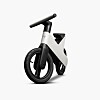
Tesla is selling a $225 Balance Bike for Kids, a two-wheeled, motorless product for children aged 2 to 5 that extends the company’s brand into a high-priced corner of early cycling gear. Preorders are scheduled to open July 31, and Tesla says only existing Tesla vehicle owners will be eligible to buy one.
The product is not an electric vehicle. Tesla says the balance bike has a lightweight magnesium frame, an adjustable seat and what it calls a “futuristic design.” It is rated for riders up to 35 kg. Unit volume, shipment timing and revenue expectations were not disclosed.
The pricing places the bike toward the upper end of the category. Cycling Weekly recommends the Hornit Airo at £139, and the market includes many cheaper balance bikes designed to help young children learn two-wheel control before moving to pedal bikes. Tesla’s version is selling less on technical novelty than on brand pull and restricted access.
The owner-only preorder condition is the most Tesla-specific part of the launch. It turns a children’s product into an extension of the company’s existing customer relationship, limiting initial access to people who already own a Tesla vehicle. That fits a broader pattern in which Tesla and Elon Musk-linked companies have sold branded products that sit outside their core operating businesses but use fan demand as distribution.
Early resale prices are already detached from retail
Units have already appeared on auction sites ahead of the preorder date. One eBay listing priced a Tesla Balance Bike at $1,200 plus shipping from the United States, more than five times the $225 retail price. It is not clear from the available information how many units are being resold or whether those listings are converting into paid transactions.
The markup is a reminder that scarcity, real or perceived, is often part of the economics around Musk-adjacent merchandise. Another Musk venture previously sold a $500 item marketed as a “flamethrower,” demonstrating that non-core products can attract buyers when tied to a sufficiently active fan base.
A bicycle is not an unprecedented detour for a transportation company. Morris and Triumph both have roots in the bicycle trade, according to the historical examples cited around the launch. Tesla’s move is different in context: the company is known for electric cars, energy products and automation ambitions, while this product is human-powered and aimed at toddlers.
For Tesla, the balance bike is unlikely to matter financially unless volume is far larger than disclosed. Its value is more likely in brand extension, customer engagement and merchandise margins. The company has not provided enough detail to assess demand beyond the preorder restriction and the early resale activity.
This story draws on original reporting from The Register.