Starlink router exemption clears FCC ban on foreign-made hardware
The FCC granted SpaceX approval through February 2028, allowing future Starlink routers despite restrictions on foreign-made devices.
By Dominic Okoye · Staff Writer
· 3 min read
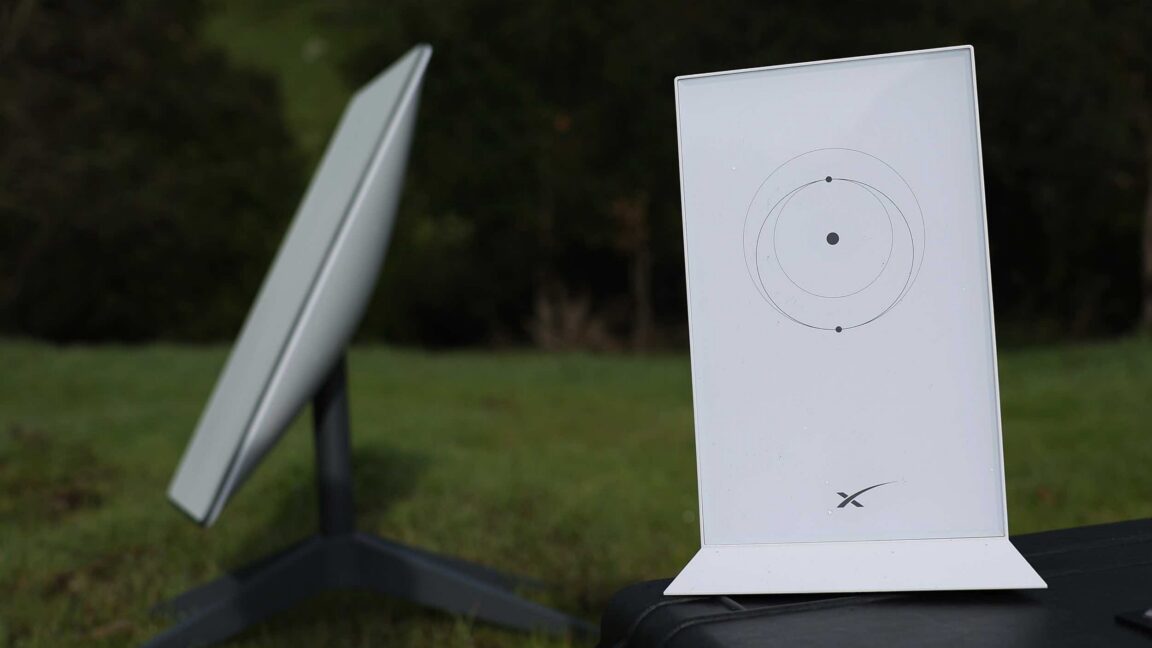
SpaceX has received a Starlink router exemption from the Federal Communications Commission’s ban on consumer routers made wholly or partly outside the United States, according to an FCC public notice. The approval, which the FCC said came from the Department of War, also known as the Department of Defense, runs through February 1, 2028.
The decision gives SpaceX a path to seek FCC approval for future Starlink router models even though some of its hardware is manufactured abroad. The FCC’s current policy does not block routers that had already been cleared for sale before the rule change, but vendors need exemptions for new models.
The order is part of a broader Trump administration push to restrict foreign-made networking equipment on national security grounds. The FCC added consumer-grade routers made at least partly outside the US to its Covered List, a designation for equipment the agency considers to pose an unacceptable national security risk unless a vendor receives a conditional approval.
What does the Starlink router exemption allow?
The exemption allows SpaceX to pursue FCC authorization for future Starlink router models despite the agency’s restrictions on foreign-made routers. It does not appear to change the status of Starlink routers that were already approved before the FCC revised its policy.
Router supply chains make the rule unusually broad. The FCC’s framework covers consumer routers made outside the US or built with foreign-made components, which means the rule can sweep in large parts of the mainstream networking market. The FCC’s exemption process allows companies to ask either the Department of War or the Department of Homeland Security for a determination that their devices do not present unacceptable national security risks.
SpaceX was not insulated from the policy by its US manufacturing presence. The company has a factory in Texas, and some Starlink routers carry “Made in the USA” labeling. PCMag reported in April, however, that other Starlink routers are produced in Vietnam, putting SpaceX in the same regulatory process as other major router suppliers.
Netgear became the first major router vendor to receive an exemption on April 14. Amazon later received approvals covering Eero routers and routers planned for its Leo satellite service. TP-Link, founded in China and now headquartered in the United States, has not received an exemption, according to the FCC’s public list of conditional approvals.
The policy also reaches beyond home networking equipment. Drone makers are subject to the same exemption process after the FCC added drones to the Covered List last year. Chinese drone maker DJI sued the FCC over the restrictions, and router companies that cannot secure approvals could pursue similar challenges.
The FCC notice does not disclose a technical assessment of SpaceX’s routers or explain what conditions apply beyond the stated expiration date. For hardware companies selling into US consumer and broadband markets, the Starlink approval shows that exemptions remain available, while leaving the core uncertainty intact for vendors with supply chains or ownership structures that draw closer scrutiny from the Trump administration.
This story draws on original reporting from Ars Technica.