SpaceX Q2 earnings 2026 show revenue growth eclipsed by AI spending
SpaceX reported $7.8 billion in quarterly revenue, but $15.83 billion of AI spending sharpened questions about its investment plan.
By Dominic Okoye · Staff Writer
· 3 min read
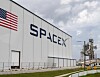
SpaceX Q2 earnings 2026 put $7.8 billion of revenue beside more than $18 billion of quarterly capital expenditure in the rocket maker’s first results since its June IPO. The company beat Wall Street revenue expectations and narrowed its losses, but the scale of the AI build-out dominated the market response: shares fell 7.5% in after-hours trading after rising 9.4% during the session, Reuters reported.
For the quarter ended June 30, SpaceX reported $7.81 billion in revenue, up 92% from $4.1 billion a year earlier, according to CNBC. Its net loss narrowed to $541 million from $1 billion. Total operating losses narrowed to $143 million from $970 million, Reuters reported.
The figures show a company with a profitable satellite-internet operation funding businesses that remain expensive to develop. Connectivity, which includes Starlink, generated $4.29 billion in quarterly revenue and $1.66 billion in operating income. The AI segment reported $2.56 billion in revenue and a $1.26 billion operating loss, while the space segment reported $962 million in revenue and a $542 million operating loss, CNBC said.
Why did SpaceX shares fall after its Q2 earnings?
Investors focused on capital spending even as SpaceX exceeded revenue forecasts. Reuters reported total capital expenditure of more than $18 billion, including $15.83 billion for AI infrastructure. Using the $18.4 billion total reported by The Wall Street Journal, AI represented about 86% of quarterly capital expenditure. Total capital expenditure was roughly 2.4 times quarterly revenue, based on reported figures.
The comparison helps explain why investors focused on spending rather than the revenue beat. Bret Johnsen, SpaceX’s finance chief, said capital expenditure should remain at a similar level for the next couple of quarters, according to Reuters. The supplied reporting does not provide a complete segment-profit table beyond the reported operating figures, but it does show connectivity as the sole profitable operating segment in the quarter.
SpaceX reported growth in revenue across connectivity and AI. Reuters said Starlink revenue rose 66% year over year and accounted for more than half of company revenue, while AI revenue rose about 250%. Starlink ended the quarter with 12 million subscribers, double the prior-year total, though average revenue per subscriber declined 22% as the company expanded internationally and introduced lower-priced plans.
The company’s investment case now rests on whether connectivity profits, alongside AI revenue and eventual returns from new infrastructure, can support spending on data centers, AI products and Starship development. Reuters described that funding model as the central test for shareholders, rather than an outcome established by the results.
Management set out aggressive targets on the earnings call. SpaceX said it expects a $100 billion revenue run rate by December, claimed new AI capital deployments could pay back in less than a year, and said it expects more than 2 gigawatts of computing capacity this year and nearly 10 gigawatts by the end of next year. Those are company projections, not reported performance.
Space revenue grew 29% year over year, Reuters reported, but the business still carries substantial costs and uncertainty tied to Starship. The June-quarter numbers therefore offer a clearer view of SpaceX’s revenue mix, while leaving the financing and execution of its AI and space expansion unresolved.
This story draws on original reporting from The Register.