Smart glasses privacy rules need visible limits, The Register argues
A Register column calls for clear disclosure and setting-specific rules for smart glasses instead of blanket bans.
By Renata Fuchs · Policy Reporter
· 3 min read
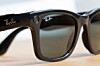
Smart glasses privacy rules should focus on what a device can sense and how visibly it signals those capabilities, rather than impose blanket prohibitions, according to an August 10 opinion column in The Register. The argument matters as consumer eyewear splits between camera-and-audio devices and display-first products: bystanders may need different safeguards depending on whether glasses can record them.
The column does not announce a new policy, investment or regulatory standard. It makes a conditional case for accepting smart glasses where makers and venues can make their behavior legible, restrict use in sensitive settings and preserve accessibility accommodations.
What rules should apply to smart glasses?
The Register argues for a “yes, if” approach. Its proposed framework would set acceptable behavior for wearers, establish rules that differ by location, require visible disclosure of a device’s capabilities and create ways to identify misuse. The author suggests colored frames could indicate functions and QR codes could identify the glasses and wearer. Those are proposals, not existing requirements.
Context is central to the argument. A secure facility may reasonably require visitors to surrender electronics, the column says, while a pub attempting the same control would face a different social expectation. The practical question for operators is whether recording, audio capture or other sensing is allowed in a specific setting, and whether that status is clear to people nearby.
The column contends that covert or always-on audio, video and other sensors embedded in ordinary-looking eyewear can threaten privacy, security and personal dignity. It also argues that equipment whose recording function is conspicuous, such as a visible body camera, may retain useful applications while creating more accountability for its wearer.
Why device design changes the privacy debate
“Smart glasses” is too broad a category for a single social rule. WIRED’s August buying guide describes products ranging from glasses that function largely as everyday headphones to models designed for sports, gaming or work. It lists Ray-Ban Meta Glasses, Viture Beast Glasses, Xreal One Pro and Oakley Meta Vanguard among the products it features.
A review by YouTube channel Better Creating offers one concrete contrast. The reviewer, who said he wore Even Realities’ G2 glasses for about four months, described them as having neither cameras nor speakers, with small projectors in the arms providing a heads-up display. He characterized that as an alternative to products oriented around capture and connection, including Ray-Ban Meta glasses. Even provided the glasses and accompanying R1 ring for review and allowed him to keep them, the reviewer disclosed, though he said it did not pay for or direct the review.
That distinction does not settle the policy question. Display-first glasses can still raise questions about data handling and use in sensitive environments, while camera-equipped glasses can have legitimate uses. But it provides a more useful starting point than treating all connected eyewear as the same product category.
Accessibility remains part of the trade-off
The Register column says visual assistance from an AI-enabled device could eventually help people who cannot easily see or move through visually inaccessible spaces. It explicitly presents that benefit as potential rather than a demonstrated outcome. Its broader point is that a ban aimed at covert recording could also limit tools that offer hands-free assistance.
The available evidence does not establish how common venue bans are, whether indicator lights deter misuse, whether QR-based identification can work in practice, or which legal standards should govern these devices. For manufacturers, the immediate design challenge is narrower: if eyewear can record or sense the people around its wearer, those people need a credible way to know it.
This story draws on original reporting from The Register.