Proposed Roadless Rule rescission shifts forest decisions to local plans
USDA has proposed ending the 2001 Roadless Rule, reopening a fight over wildfire treatment, roads, habitat and water protections.
By Dominic Okoye · Staff Writer
· 3 min read
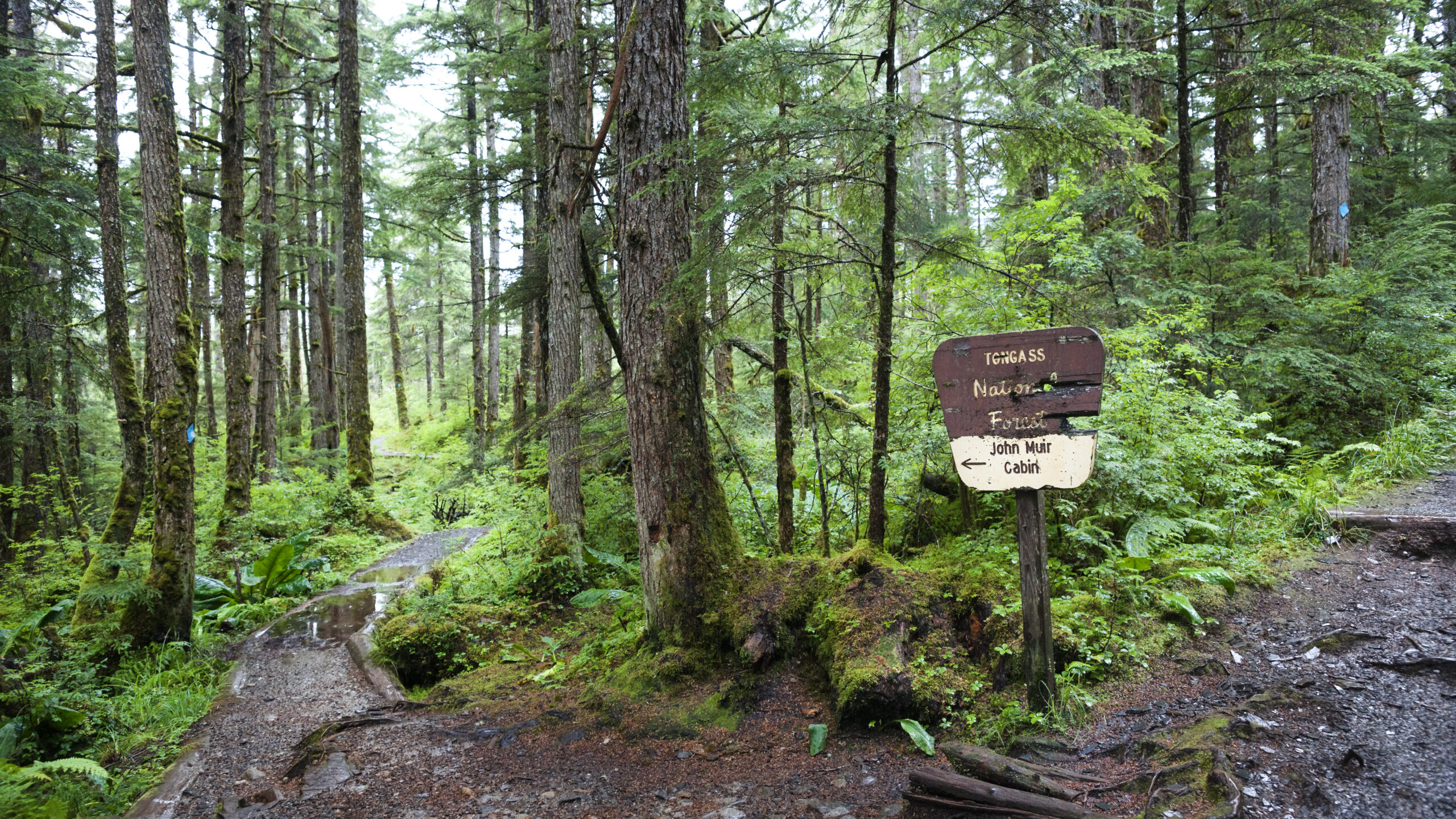
The proposed Roadless Rule rescission filed by the U.S. Forest Service would end the nationwide 2001 policy restricting new roads and commercial timber harvest in designated roadless areas. The Aug. 18 proposal does not authorize a particular road or logging project, but it would move future decisions to forest-level planning, a consequential change for federal land management across the West.
The Agriculture Department says the rule has limited access and active forest management needed to reduce wildfire risk. Environmental researchers writing in The Conversation argue that expanding roads can damage the ecological functions that roadless protections were designed to preserve, including connected wildlife habitat and stream health.
What would the proposed Roadless Rule rescission do?
The 2001 Roadless Area Conservation Rule generally bars road construction, road maintenance and commercial timber harvest in inventoried roadless areas, subject to limited exceptions. It does not prohibit compatible recreation, livestock grazing or work on existing mining claims, according to the explainer published by The Conversation.
Under the Forest Service proposal, the national roadless-area designation would be removed. The agency says this would not itself require timber cutting or road building. Instead, it would place decisions about individual roadless areas within the planning processes used by local national forests, under existing laws and regulations.
The agency has also filed a draft environmental impact statement and is accepting public comments through midnight Sept. 21, according to USDA.
Why are roads at the center of the dispute?
USDA frames the proposal as a wildfire-management measure. The department says more than 40% of inventoried roadless areas have high or very high wildfire-hazard potential, while 5% have received hazardous-fuels treatments since 2014. It also says 11.3 million acres are already near existing roads. Those figures are the agency's rationale for allowing more forest-specific discretion, rather than proof that rescission would reduce fire risk.
The Conversation's ecologist authors identify a different set of trade-offs. They cite research indicating that roads can divide habitat, introduce invasive weeds, add sediment to streams, increase vehicle collisions with animals and disturb wildlife through noise. Stream crossings can also create fish-passage barriers when culverts do not maintain ecological connections. These are potential effects of new or expanded road networks, not guaranteed results of the pending rulemaking.
Where would the change matter most?
USDA says more than 95% of inventoried roadless areas lie in 10 Western states: Alaska, Arizona, California, Montana, Nevada, New Mexico, Oregon, Utah, Washington and Wyoming. The proposal excludes national forests in Colorado and Idaho, which operate under separate state-specific roadless regulations.
The acreage at stake is not presented consistently in the available materials. USDA says more than 44 million acres of the 193-million-acre National Forest System are currently covered. The Conversation describes the rule as applying to more than 58 million acres, excluding Colorado and Idaho. The difference is unresolved in the supplied documentation, so the figures should not be treated as interchangeable.
For operators in timber, infrastructure, conservation and outdoor-recreation businesses, the near-term point is procedural: no national protection has yet been rescinded. The eventual decision would determine whether a uniform federal restriction gives way to forest-by-forest decisions, where road access, fuels work, habitat and watershed risks would be considered locally.
This story draws on original reporting from Ars Technica.