NYT reporter phone records subpoenas withdrawn after judge presses DOJ
The Justice Department pulled subpoenas for Times journalists’ call records and testimony after a federal judge questioned its legal basis.
By Dominic Okoye · Staff Writer
· 3 min read
The Justice Department withdrew subpoenas seeking NYT reporter phone records and grand jury testimony after a federal judge sharply questioned the government’s handling of the demands. The dispute matters beyond one newsroom because it tests how far the Trump administration can go in trying to identify confidential sources in a national security leak investigation.
US District Judge Arun Subramanian said in a Thursday order that the government had voluntarily withdrawn the contested subpoenas, including demands issued to journalists and third-party phone providers. He wrote that the subpoenas were “null and void,” making The New York Times’ motions to quash them moot.
The subpoenas targeted Times journalists who reported on security concerns tied to a Boeing jet donated by Qatar for use as Air Force One. The Times had argued in court that the demands were an effort to intimidate the press and said armed federal agents served subpoenas at reporters’ homes requiring grand jury appearances within three business days.
Why did DOJ seek NYT reporter phone records?
The government was pursuing a criminal investigation tied to leaks of classified information, according to the Justice Department. The reporting at issue concerned the Qatar-donated aircraft, including security, cost and ethics questions around converting a foreign-donated commercial jet into a presidential plane.
The Times said in court filings that the Justice Department also sought phone and text records tied not only to the reporters, but also to relatives, including one reporter’s mother and two reporters’ spouses. According to a Times filing, the government disclosed during a call with Times counsel that subpoenas had been served on phone providers on July 10, July 14 and July 16.
Subramanian pressed Justice Department lawyers during a hearing Thursday, according to The New York Times, telling the government that reporter subpoenas are a last step rather than an opening move. The Times reported that the judge gave the government a choice: withdraw the subpoenas or have the court quash them.
The government also acknowledged errors, according to the Times. Sean Buckley, chief counsel for the US attorney in Manhattan, reportedly said the phone-record demands had swept in relatives by mistake, calling it a consequence of moving quickly. The Times also reported that the government conceded it had left out significant information when asking another judge to stop a phone company from notifying a customer about a records request.
The Justice Department criticized Subramanian after the hearing. A DOJ spokesperson said the judge “threatened our attorneys with sanctions unless subpoenas were withdrawn” and said the grand jury had a right to hear from material witnesses in a federal criminal investigation. The department said the investigation remains active and described leaking classified information as a serious federal crime.
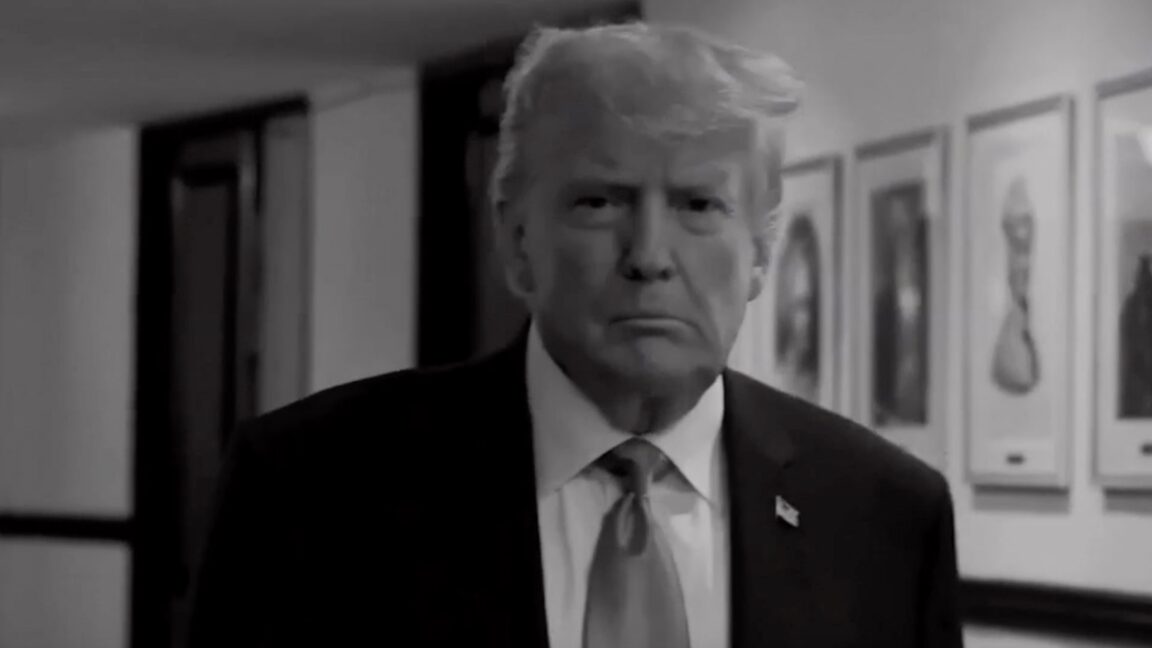
Times newsroom lawyer David McCraw called the hearing an affirmation of press freedom and said the subpoenas should not have been issued. The Times’ motion said FBI Director Kash Patel orchestrated the activity from the White House in coordination with senior administration officials and in response to President Trump’s anger over the reporting.
The case follows another press-related leak fight this year. In January, the FBI seized devices from a Washington Post reporter with a large contact list of current and former government employees. A judge later halted the FBI’s search and decided the court would conduct the review itself because the government had probable cause for only a small portion of what it had taken.
This story draws on original reporting from Ars Technica.