Minnesota prediction market ban blocked by federal judge
A federal judge stopped Minnesota from enforcing its Aug. 1 prediction market ban, but left room for narrower limits on some contracts.
By Renata Fuchs · Policy Reporter
· 3 min read
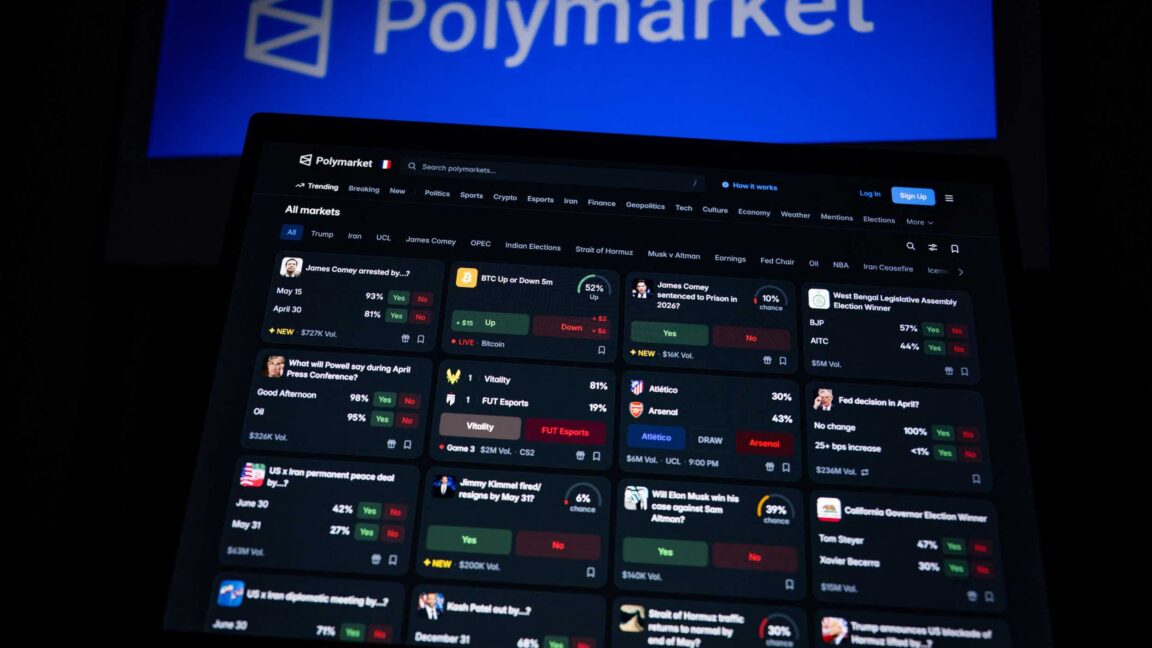
A federal judge blocked the Minnesota prediction market ban days before it was set to take effect, keeping Kalshi and Polymarket operating in the first U.S. state to pass a full prohibition. The ruling gives the prediction-market industry an interim win in a fight over whether state gambling laws can reach event contracts regulated by the Commodity Futures Trading Commission.
U.S. District Judge Katherine Menendez in Minnesota issued a preliminary injunction against the law, which Minnesota enacted in May and scheduled to enforce on Aug. 1. The Trump administration, Kalshi and Polymarket sued the state, and the cases were consolidated before the ruling.
Minnesota argued that prediction markets should be treated as gambling. The CFTC argued that federal law gives it exclusive authority over many of the contracts at issue because they qualify as swaps under the Commodity Exchange Act.
Can Minnesota ban prediction markets?
For now, Minnesota cannot enforce its full ban. Menendez found that the plaintiffs had shown they were likely to succeed on their argument that federal law preempts the state statute for contracts that qualify as swaps and are traded on designated contract markets.
The ruling was narrower than the industry would prefer over the long term. Menendez said the CFTC’s exclusive jurisdiction does not cover every possible event contract that Kalshi, Polymarket or another designated contract market might list. That leaves Minnesota with a possible path to restrict some contracts after fuller litigation.
Under federal law, swaps include contracts where payment depends on an event or contingency tied to a potential financial, economic or commercial consequence. Menendez said several examples listed by Kalshi and Polymarket appear to fit that definition, including markets tied to a U.S. Senate race, which NBA team would sign LeBron James, the World Cup winner and the timing of normal traffic resuming in the Strait of Hormuz.
She was less persuaded that entertainment-adjacent markets fall within the same category. The ruling cited contracts on the winner of season eight of Love Island USA and on what announcers might say during World Cup broadcasts as examples that do not appear to have the financial, economic or commercial connection required to qualify as swaps.
Minnesota may still seek a narrower win
Minnesota Attorney General Keith Ellison said the state disagrees with the court’s view of the status quo and will continue defending the law. In a statement, he said the case presents complicated legal questions that are hard to resolve quickly without a developed record.
Ellison also said, “Prediction markets are gambling, plain and simple, and Minnesota has every right to keep predatory gambling out of our communities.” He did not say whether the state would appeal the preliminary injunction.
The court also rejected, at this stage, Minnesota’s narrower reading of swaps as contracts that must be tied to a commodity. Menendez wrote that the statutory definition does not contain that limitation and noted that other courts have found sports-related event contracts can fall within the definition.
The decision does not end the case. Menendez emphasized that the injunction is not a final merits ruling and said later relief could be much narrower if some listed markets fall outside the federal swaps regime. That is the operative risk for prediction-market operators: a win against total bans may still leave room for state-by-state fights over categories such as entertainment, sports and other consumer-facing markets.
Other states have tried to regulate prediction markets through gambling laws, and courts have not reached a uniform answer. The split increases the chance that the issue eventually reaches the Supreme Court, especially as platforms keep pushing event contracts into areas that look less like financial hedging and more like consumer wagering.
This story draws on original reporting from Ars Technica.