Memes Apps lawsuit targets AI ad templates built from viral comic
Artist Elmer Saflor says Memes Apps sold subscriptions to generate ads using his copyrighted “Running Away Balloon” comic.
By Dominic Okoye · Staff Writer
· 3 min read
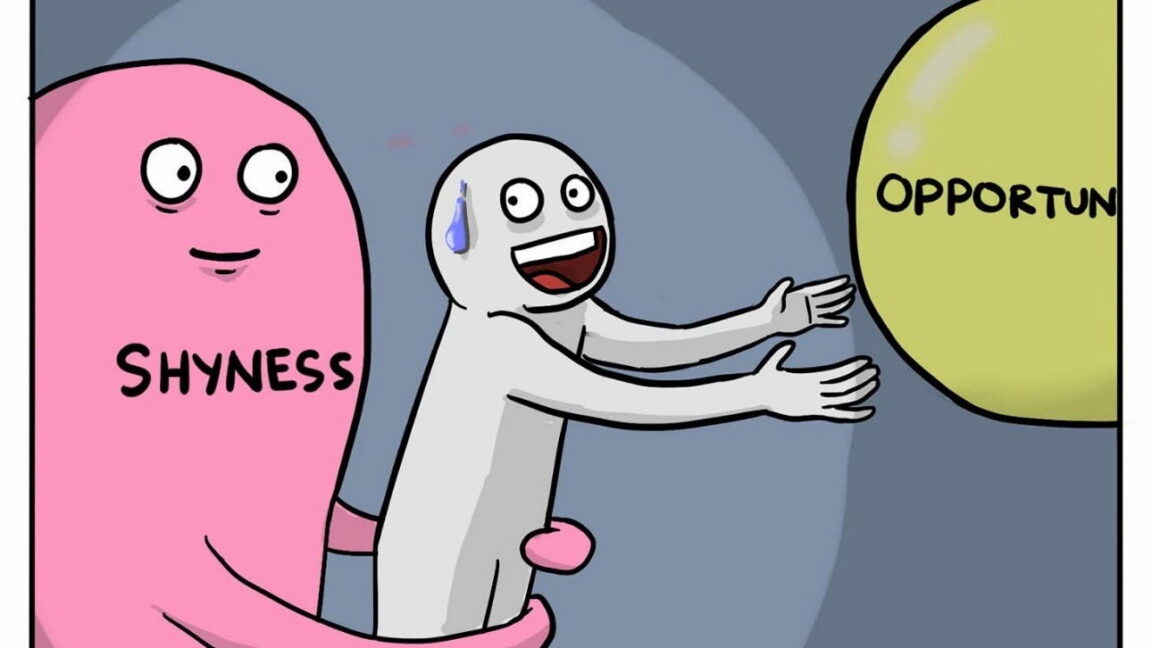
Artist Elmer Saflor has filed a Memes Apps lawsuit alleging the operator of Memes.ai and Memes AI Studio sold access to an ad generator that reproduces his copyrighted “Running Away Balloon” comic without permission. The case puts a familiar AI copyright dispute into a narrower, more commercial setting: a meme template packaged for paid advertising subscriptions.
Saflor, a digital creator in the Philippines who posts online as “Superelmer,” says Memes Apps offered his comic through platforms used to create ads. According to the complaint, the company sells subscription tiers priced at $40 and $199 per month. No damages figure, revenue total, subscriber count or valuation for Memes Apps has been disclosed.
Ars Technica reported that Saflor did not contact Memes Apps before filing suit and has not seen specific examples of ads generated from his comic on the platforms. Saflor told Ars he brought the case to obtain discovery and to test what obligations AI-powered content tools may have when viral works become part of a commercial product.
Why is Elmer Saflor suing Memes Apps?
Saflor is asking the court to stop Memes Apps from using his comic as a template and to provide an accounting of ads that used it, so he can seek profits he says were improperly earned. Ars reported it could not immediately reach Memes Apps for comment and could not confirm whether the template was widely used by subscribers or used in any ad.
“Running Away Balloon” is a two-panel comic showing a man running toward a yellow balloon labeled “opportunities,” then being held back by a pink character labeled “shyness.” Since 2017, the image has circulated widely as a meme, with users swapping in labels to describe personal limitations, distractions or frustrations.
Saflor told Ars that he has not tried to stop ordinary internet users from sharing or remixing the image. His objection is to a company allegedly turning the work into part of a paid product for advertisers.
What could the case mean for AI meme generators?
Internet law scholar Eric Goldman told Ars that Saflor’s complaint begins with a strong framing for a judge, particularly because the alleged outputs include copies of the original work. Goldman pointed to a 2024 ruling involving the “SuccessKid” meme, where a court found that use of that meme in a campaign ad was not permitted without authorization.
Goldman also said Saflor’s strategy carries risk because he is suing the generator rather than advertisers who may have used the output. A ruling against the platform could raise broader questions for meme generators generally, since memes often spread through unlicensed copying before becoming recognizable templates.
The commercial packaging may be central. Goldman told Ars that Memes Apps’ subscription offering to third-party advertisers could hurt its defense, unless the company can show that this model is standard practice among meme generator businesses. Proving harm could be harder if discovery shows no advertisers actually used Saflor’s image.
The complaint cites Memes Apps’ public portfolio in alleging the service works with more than 40 brands that generate up to 1,000 ads per month for audiences totaling more than 75 million social media followers. Those figures are attributed to the complaint and have not been independently confirmed in court.
Saflor told Ars he uses AI tools and does not view AI itself as the problem. His claim is that AI ad products become legally and ethically different when they monetize a creator’s copyrighted work at scale without a license. Goldman said the AI element may not change the core copyright arguments, though the case could be watched by parties in larger AI disputes where rightsholders can show original works appearing in outputs.
This story draws on original reporting from Ars Technica.