Kalshi Washington sports bets face court-ordered shutdown
A Washington judge ordered Kalshi to block sports and other event wagers by Sept. 2 as the company contests state oversight.
By Renata Fuchs · Policy Reporter
· 3 min read
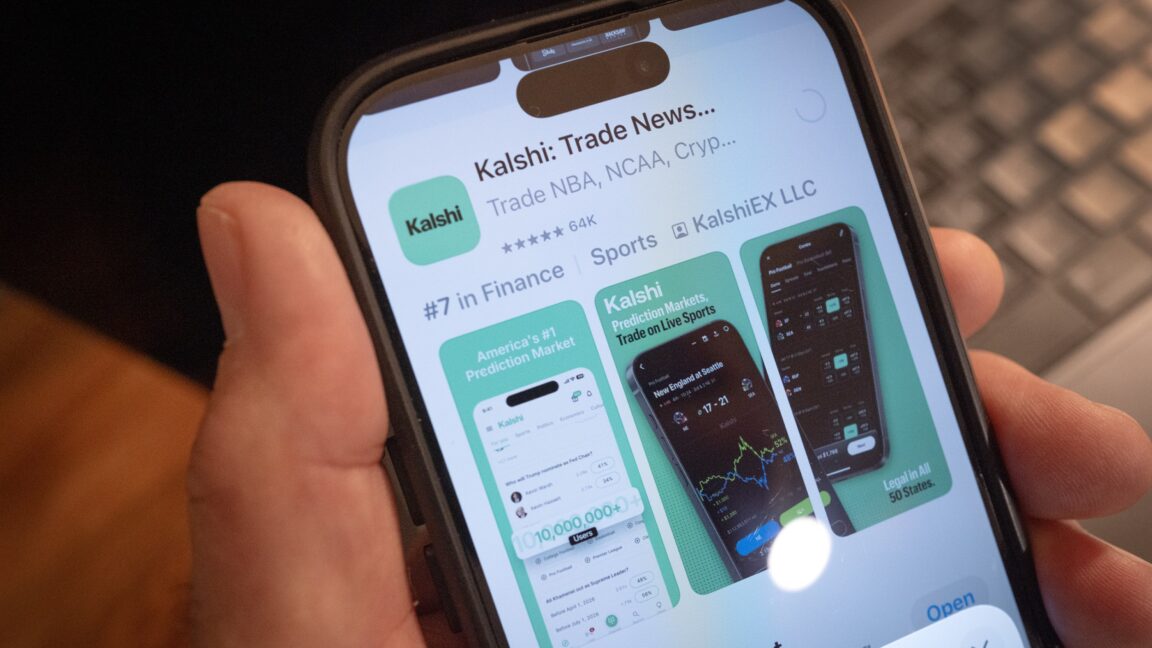
Kalshi Washington sports bets and several other event contracts must be blocked under an order from King County Superior Court Judge John McHale, who found the state is likely to prevail in its claim that the platform violates Washington gambling and consumer-protection laws. The order is limited to Washington, but it requires a material change to a prediction-market operator that says its exchange falls under exclusive federal oversight.
Kalshi must stop offering, accepting or facilitating Washington wagers on sports, elections, politics, entertainment, culture, technology and science, as well as contracts on whether a public figure will say a particular word or phrase, known as “mentions.” It also cannot advertise the covered contracts to Washington consumers, according to the Washington Attorney General’s Office.
The company must put an IP-address and residency-based geofence in place by Aug. 19, 2026. A multi-source geofencing system is due Sept. 2. The order permits users to exit positions they already hold. If the required system is not completed by the later deadline, Kalshi could face penalties of up to $120,000 a day, subject to the court’s terms.
What Kalshi markets can Washington users still access?
The order does not shut down every Kalshi market in the state. Reporting by the Washington State Standard says contracts tied to commodities, climate, economics and finance remain available. The barred categories nevertheless include sports, which the attorney general’s office said has increasingly driven the company’s business. Neither the order nor the state’s announcement disclosed the value of Kalshi’s Washington activity.
Prediction markets let users take positions on the outcome of future events. Washington argues that when users risk money on those outcomes for a potential payout, the activity meets the state’s definition of gambling. McHale found at the preliminary-injunction stage that Kalshi’s operation, marketing and advertising of the covered activity likely amounted to unlawful and deceptive conduct under state law.
The ruling does not resolve the case on its merits. Washington sued Kalshi in March, and the attorney general is continuing to seek recovery related to Washington consumer losses and civil penalties, according to the Washington State Standard. Kalshi asked the Washington Court of Appeals to pause the injunction, but that request was denied, the attorney general’s office said.
Kalshi disputes the state’s authority. A company spokesperson told Ars Technica that the Commodity Futures Trading Commission has exclusive jurisdiction over its exchange and that Kalshi is considering its legal options. McHale concluded that the Commodity Exchange Act does not preempt Washington’s gambling law.
The dispute is therefore less about whether Kalshi can continue operating nationally than whether its federally regulated exchange status displaces state gaming restrictions. In Washington, the court’s current answer is no, pending the rest of the litigation.
This story draws on original reporting from Ars Technica.