FCC TV ownership cap repeal replaces 39% limit with deal-by-deal review
The FCC voted 2-1 to end its 39% national TV ownership cap, setting up a legal fight over whether Congress alone can change it.
By Dominic Okoye · Staff Writer
· 3 min read
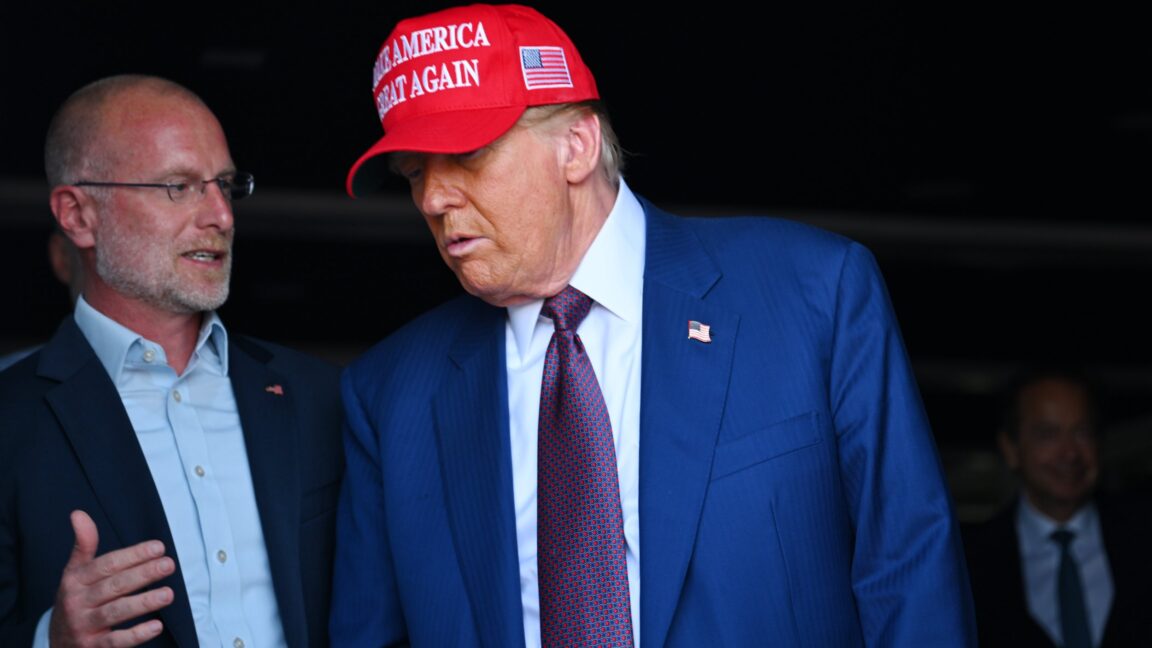
The FCC TV ownership cap repeal is now official: the agency voted 2-1 to discard its national rule that generally prevented one broadcast-station owner from reaching more than 39% of US television households. Chairman Brendan Carr and Republican Commissioner Olivia Trusty supported the change; Democratic Commissioner Anna Gomez dissented.
The FCC will replace the bright-line limit with individual public-interest reviews of transactions. That gives station groups a route to pursue acquisitions that would previously have exceeded the cap, but it does not amount to automatic approval. The commission says it can still reject a deal that fails its public-interest standard.
For broadcasters, the practical change is material. A national audience-reach ceiling has been replaced by a regulator-controlled approval process. For media operators considering large station transactions, the immediate question is less whether a deal crosses 39% than whether the FCC will approve it.
Can the FCC repeal the 39% TV ownership cap?
That is the unresolved issue. Congress directed the FCC to enforce the 39% cap in 2004 after the agency had raised the ceiling from 35% to 45% the prior year. Congress also excluded rules relating to the cap from the FCC's quadrennial review of media-ownership rules.
Carr argues the restriction on quadrennial review does not eliminate the FCC's wider authority under the Communications Act to alter ownership limits. In its July announcement of the planned vote, the agency said Congress had instructed it to revise ownership rules at times but had not withdrawn that authority. The FCC also argues that broadcast groups compete against streaming services, cable channels and online platforms that have no equivalent national reach limit.
Gomez disagreed, saying Congress set the cap and only Congress can change it. Former House Majority Leader Tom DeLay, a Republican involved in the 2004 compromise, has also argued that the limit can be revised only through legislation. Free Press said it plans to sue to block the repeal. Any expected challenge would test the competing readings of the 2004 statute, among other arguments a court may consider.
What changes for TV-station mergers?
Previously, the rule generally treated ownership above 39% of national TV households as prohibited. Under the new framework, a proposed transaction above that threshold goes through the FCC's regular review, where the agency says it will consider localism, viewpoint diversity and competition as applicable to the deal.
Carr says the greater flexibility will let broadcasters build the scale and advertising base needed to support local programming and news. Gomez and advocacy groups argue consolidation could instead place more control with national station groups and weaken local reporting. Those outcomes remain competing claims, not findings of the vote.
The repeal also arrives amid the attempted Nexstar-Tegna combination. The FCC previously granted a waiver tied to that transaction, which would put Nexstar above the former cap. A federal judge ordered the companies to halt integration of assets and operations while antitrust litigation proceeds. That dispute does not determine whether the FCC's repeal is lawful, but it illustrates the commercial stakes for the largest station owners.
The FCC's vote removes a long-standing transaction barrier, while leaving the agency's authority to do so open to a prospective court fight. The commission's earlier announcement of the case-by-case framework said deals exceeding the old limit could either be approved or denied.
This story draws on original reporting from Ars Technica.