FCC ABC license renewal fight draws conservative and liberal pushback
Disney, civil liberties groups and some conservatives urged the FCC to drop challenges to ABC-owned station license renewals.
By Renata Fuchs · Policy Reporter
· 4 min read
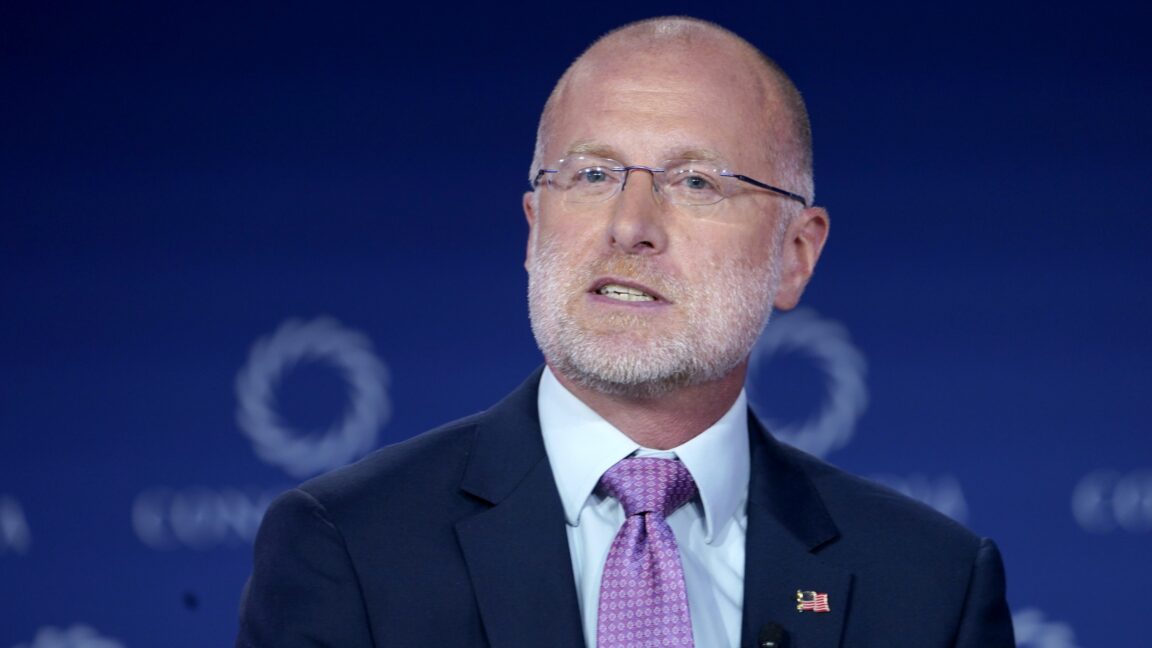
The FCC ABC license renewal fight has drawn objections from Disney, civil liberties groups, former regulators, Democratic lawmakers and some conservative organizations, all warning that the agency is using broadcast licensing to pressure ABC over speech. The proceeding covers early renewal applications for eight ABC-owned television stations, with petitions to deny filed by the conservative Center for American Rights and Media Research Center.
The Federal Communications Commission, led by Chairman Brendan Carr, has said the review concerns possible violations of anti-discrimination rules tied to diversity, equity and inclusion practices. Critics told the agency that the timing and public record point instead to retaliation over ABC programming and comments by Jimmy Kimmel that angered President Donald Trump and the first lady.
Oppositions to the petitions were due July 29, with replies due August 5. The FCC docket has received more than 153,000 comments, according to FCC records cited by Commissioner Anna Gomez, the agency’s only Democratic commissioner.
Why is the FCC reviewing ABC licenses?
The FCC ordered ABC to file early license-renewal applications for the eight stations it owns and operates. The unusual step followed Carr’s prior threats and investigations involving ABC, including statements last year that ABC station licenses could be at risk over alleged “news distortion” if stations continued to air Kimmel’s show.
In April, Carr ordered the early license review one day after Trump and the first lady called for Kimmel to be fired over a joke about Melania Trump. Disney told the FCC that the administration is retaliating against ABC for protected speech and said the stations have not violated the agency’s news distortion policy, broadcast hoax rule, equal-time rule or discrimination rules.
Disney also argued that requiring early renewal filings for all eight stations before the DEI inquiry found a violation was punitive. The company said the FCC has established remedies short of denying licenses even if a violation were eventually proven.
Conservatives warn about the precedent
Although two conservative groups are seeking to block the renewals, another coalition of 14 conservative and free-market organizations urged the FCC not to turn routine license renewals into a political weapon. The filing, signed by groups including the Center for Individual Freedom, American Commitment and Americans for Tax Reform, said it took no position on the specific ABC applications.
The coalition warned that a looser renewal standard could be used by future FCC majorities against conservative, religious or other disfavored broadcasters. It said the FCC has historically reserved non-routine renewals for extraordinary cases, such as operational failures or serious misconduct, rather than disputes over editorial choices.
Former FCC chairs and commissioners from Republican and Democratic administrations also filed against the proceeding, describing it as an effort to censor disfavored speech and advance Trump’s personal interests. The American Civil Liberties Union, the Knight First Amendment Institute and other free speech groups similarly told the FCC that Carr and Trump’s actions showed an effort to pressure Disney to restrict viewpoints they oppose.
What happens next
Disney is fighting multiple FCC matters involving ABC. Carr has also opened a proceeding over whether The View should keep its exemption from equal-time rules as a bona fide news interview program. ABC told viewers the FCC wanted control over who appears on the show; the FCC accused Disney of misleading the public.
The licensing fight widened after ABC and NBC chose not to air a July 16 Trump primetime address on broadcast television, while streaming it online and covering it in news segments. Trump again called for revoking licenses, and the Center for American Rights told Carr the decision should count against ABC. Disney said Carr later suggested the decision could be considered in the renewal proceeding.
Carr has said the FCC will follow the facts and the law. Legal experts cited in coverage of the dispute say license revocation is unlikely because a 1996 telecommunications law change made renewal denials difficult, and the early filings do not alter the stations’ actual expiration dates. The eight ABC-owned stations are scheduled for renewals between 2028 and 2031.
This story draws on original reporting from Ars Technica.