EPA data center permits plan could cut public input on pollution approvals
The Trump EPA is weighing a rule that would let states set public input rules for minor air permits used by some data center power projects.
By Dominic Okoye · Staff Writer
· 4 min read
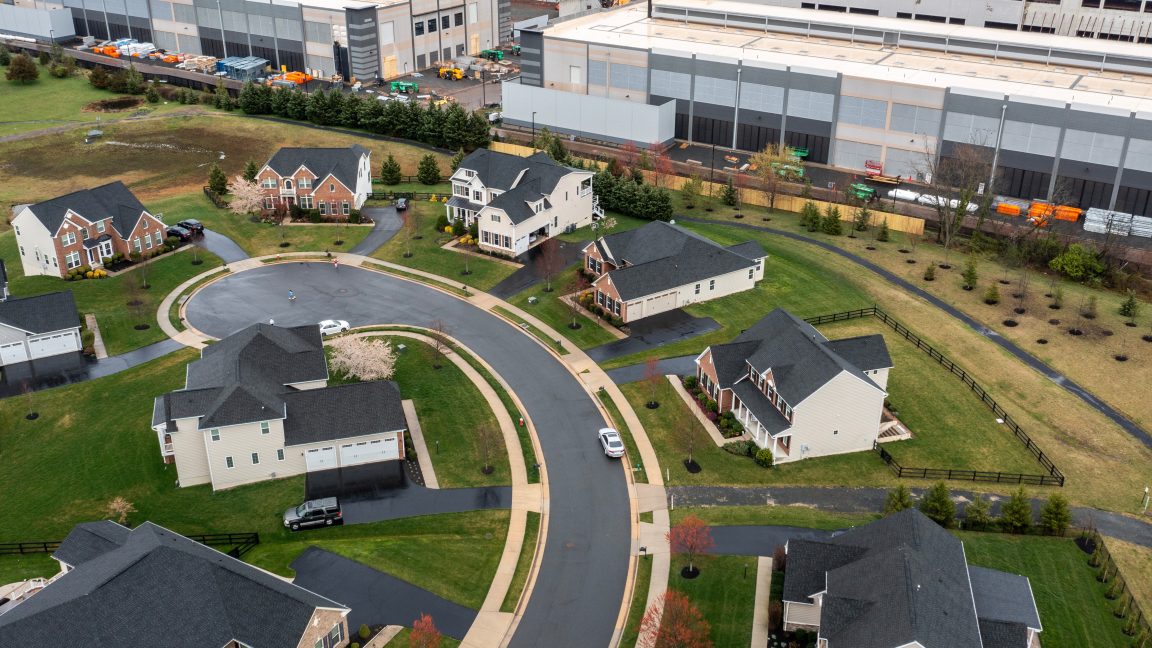
The Trump administration’s EPA data center permits proposal could make it easier for some AI infrastructure projects to secure air-pollution approvals with less public involvement. The Environmental Protection Agency held a public hearing Wednesday on a rule change that would let state and local agencies decide how the public participates in permitting for certain “minor” sources of air pollution, a category that can include gas plants and diesel generators used to power data centers.
For data center operators, the change would land at a useful time. AI companies and hyperscalers are trying to add capacity while communities in several states are using air permits and other local processes to scrutinize power-hungry projects. The EPA said through a spokesperson that the proposal would not change emissions standards, but would shift decisions about whether, when and how long public comment opportunities are offered to agencies closer to the projects.
What would the EPA rule change do?
Under the Clean Air Act, companies building facilities that emit regulated air pollutants need permits. Larger projects that meet thresholds for “major” sources face federal and state review and more formal public steps, while “minor” sources have less oversight and are handled differently across states.
The proposed EPA change concerns those minor-source permits. Existing EPA rules require some public participation for minor-source approvals, but enforcement and public notice practices vary by state. If finalized, the rule would give state and local agencies more discretion over the public process for new minor sources and modifications, according to the EPA spokesperson cited by WIRED.
The category is broad. It can cover small industrial operations such as dry cleaners and auto body shops, as well as diesel and gas engines. The latter matters for the AI buildout because data center operators are increasingly pairing facilities with dedicated power generation. WIRED has reported that xAI and Meta have used minor-source permitting processes for behind-the-meter gas plants.
Why data center developers are watching air permits
Public participation is becoming a practical constraint on data center development. Vanessa Lynch, a Pennsylvania organizer with Moms Clean Air Force, told the EPA hearing that communities dealing with data centers want a role in decisions affecting them.
Environmental lawyers said the federal baseline can be material even in states with stronger rules. Keri Powell, an Atlanta-based attorney at the Southern Environmental Law Center, pointed to Georgia as a state where public permit records have helped outside groups identify and raise concerns about data center-related construction. Earlier this month, the organization alerted the state utility regulator about alleged issues at a data center based on information from public air-permit filings.
Powell said she is concerned Georgia residents and advocacy groups could get less notice if the federal requirement is removed. Sara Lips, communications director for Georgia’s Environmental Protection Division, said the agency is reviewing whether the proposed federal change would affect public participation rules under state regulations.
Kentucky also has stronger public participation rules for minor-source permits. Byron Gary, a senior attorney at the Kentucky Resources Council, said state agencies have made an informal commitment to keep those rules in place even if EPA policy changes, though he cautioned that a future state administration could take a different approach.
Texas shows the other end of the model. The state’s data center growth has brought a wave of private gas-plant development, much of it using minor pollution permits, according to WIRED. Communities near some projects have been surprised by the amount of fossil-fuel infrastructure being installed nearby.
The EPA said it is working to make the United States “the AI capital of the world,” according to the agency spokesperson. The administration has also moved to remove federal obstacles to data center construction. Bloomberg reported that U.S. data center construction spending surpassed spending on public transportation infrastructure for the first time in June.
The rule has not been finalized, and the EPA says emissions limits would stay intact. The business effect would be procedural but potentially significant: fewer mandatory notice and comment steps could reduce one of the delays AI infrastructure builders increasingly face, while leaving neighbors more dependent on the choices of state regulators.
This story draws on original reporting from Ars Technica.