Compass hidden Zillow listings suit alleges higher NYC rents
Two renters say Compass withheld public listings from StreetEasy, making inventory look scarcer; the proposed class action remains unproven.
By Renata Fuchs · Policy Reporter
· 3 min read
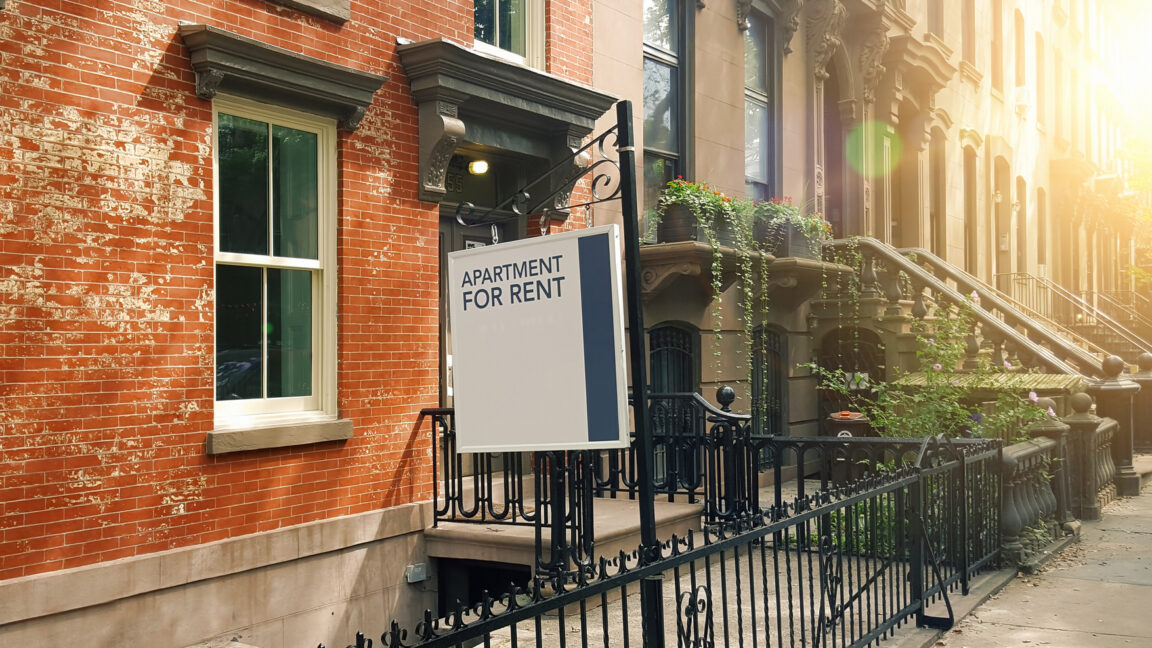
Compass hidden Zillow listings are at the center of a proposed class action filed in August by two New York City renters, who allege the brokerage withheld enough rental inventory from public platforms to raise asking rents. Peter Castaneda and Haley Gelfand seek damages, disgorgement of alleged unjust enrichment and an order barring Compass from hiding listings from services including Zillow, according to Ars Technica.
The case turns on a distinction that has not yet been tested in court. The renters do not establish that apartments disappeared from New York’s underlying housing stock. Their claim is that Compass reduced the number of units visible on Zillow-owned StreetEasy, making supply look scarcer to renters and to the owners, managers and pricing systems that use publicly available listings as market comparisons.
How do hidden StreetEasy listings allegedly affect NYC rents?
StreetEasy is Zillow’s New York City housing-search platform. The plaintiffs contend that when fewer available apartments are publicly listed there, renters have fewer options to compare and market participants receive a picture of tighter inventory. That, they argue, can feed into higher asking prices. It is the lawsuit’s theory of causation, not a court finding that Compass caused higher rents.
Castaneda and Gelfand allege that Compass controlled more than 80% of rental-unit listings available to Manhattan renters, based on 2025 data cited in their complaint. They say the company’s decision to remove listings from public platforms gave it influence over what renters could see and pushed business toward brokers. Ars Technica reported that Compass had begun delisting thousands of homes from Zillow earlier in 2026.
The complaint cites data and market reports saying available rental units across New York fell 40% year over year, while rents rose 3% in June and 6% in July as availability continued to decline through August. Those figures appear in the renters’ filings and do not independently show that withheld listings, rather than other conditions, produced the reported rent changes.
Each plaintiff says they signed for a downtown Manhattan one-bedroom at $5,270 a month. Castaneda compared his August lease with a $4,390 average or median asking rent cited for the area a month earlier, while acknowledging in the complaint that rents can move day to day. Gelfand says she watched StreetEasy prices from July until signing in early August.
What are the renters asking the court to do?
The proposed class covers New York City renters who leased non-rent-stabilized multifamily units from August 1, 2026 onward. It seeks monetary relief and an injunction that would stop Compass from concealing listings from public platforms. No class has been certified, and liability and the claimed rent effects remain unresolved.
The dispute follows a separate clash between Compass and Zillow. Zillow adopted listing standards that excluded private listings from its sites. Compass then sued Zillow, alleging that Zillow was seeking to monopolize listings, but voluntarily dismissed that case in March after a judge found Compass unlikely to succeed on the merits, Ars Technica reported.
Compass declined Ars Technica’s request for comment. Zillow said it supported accountability for listings deliberately kept off public platforms, a position that is not independent verification of the renters’ claims. Ars Technica also reported local and federal antitrust probes related to Compass, without identifying agencies, scope or findings.
This story draws on original reporting from Ars Technica.