China AI distillation dispute widens with warning on US sanctions
Beijing threatened countermeasures if Washington sanctions AI firms, while accusing US companies of distilling Chinese models.
By Renata Fuchs · Policy Reporter
· 3 min read
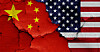
The China AI distillation dispute escalated after Beijing warned it would respond if Washington places new sanctions on artificial intelligence companies. China’s Ministry of Commerce used a Monday media Q&A to reject Trump administration claims that Chinese AI developers distilled leading US models, then countered that many US AI companies have used Chinese models in their own research and training.
The exchange puts model distillation, a common AI technique, into the center of a broader fight over export controls, intellectual property and open model policy. The Ministry did not say what countermeasures China might take, only that it would take “all necessary measures” if the US proceeds with sanctions.
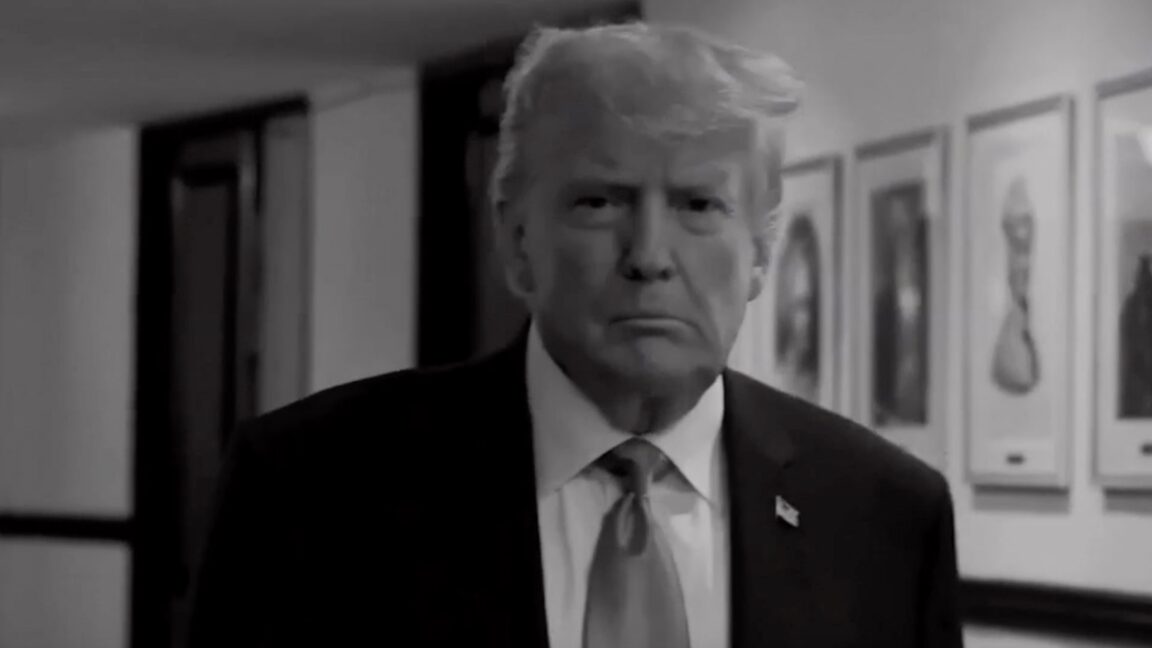
The US allegations came from Michael Kratsios, Donald Trump’s Assistant for Science and Technology, and were supported by US Treasury Secretary Scott Bessent. China’s Ministry of Commerce responded by repeating Beijing’s long-standing position that accusations of technology theft are propaganda aimed at discrediting the country.
China also argued that the timeline did not support the US claim. According to the Ministry, some US companies released their latest frontier models only days before Chinese companies published their own code, leaving too little time for Chinese developers to distill those systems and re-release them.
The Ministry added that some Chinese models are already in a leading position, which it said makes the distillation allegations baseless. That defense leaves Beijing making two claims at once: Chinese developers are advanced enough to compete at the top end, while US accusations over rapid copying do not fit the available timeline.
What is AI model distillation?
AI model distillation is a process in which one model is used to help train another, often smaller or cheaper model, to reproduce some of its behavior. The method can be used for efficiency and deployment reasons, but it can also raise questions when the original model’s outputs, weights or access terms are used in ways the developer objects to.
China’s counterclaim was broad. The Ministry said it understood that “many American AI companies” had distilled Chinese models, but it did not name companies, identify models or provide evidence in the statement.
The allegation is not automatically a claim of misconduct. Kratsios said last week that distillation can be legitimate when it is “used to create smaller, more efficient models.” On that view, US developers could study or distill open Chinese models without necessarily breaching intellectual property rules, depending on licensing and access terms.
The fight is also tied to a policy split over open AI. China has pushed for open-sourcing AI models as a way to promote innovation and cooperation, and recently convened the 29-member World Artificial Intelligence Cooperation Organization, or WAICO, to promote AI governance and deployment.
In the US, the debate over AI regulation has intensified after 77 technology companies signed an open letter urging lawmakers to support open weights models. That places Beijing and a significant portion of the technology industry on the same side of at least one AI policy question, even as Washington and Beijing argue over sanctions, model provenance and the limits of acceptable distillation.
For AI companies, the dispute signals that model training practices are moving further into trade policy. Distillation has been treated by many labs as a technical choice; governments are now treating it as a potential flashpoint in the competition over frontier AI capability.
This story draws on original reporting from The Register.