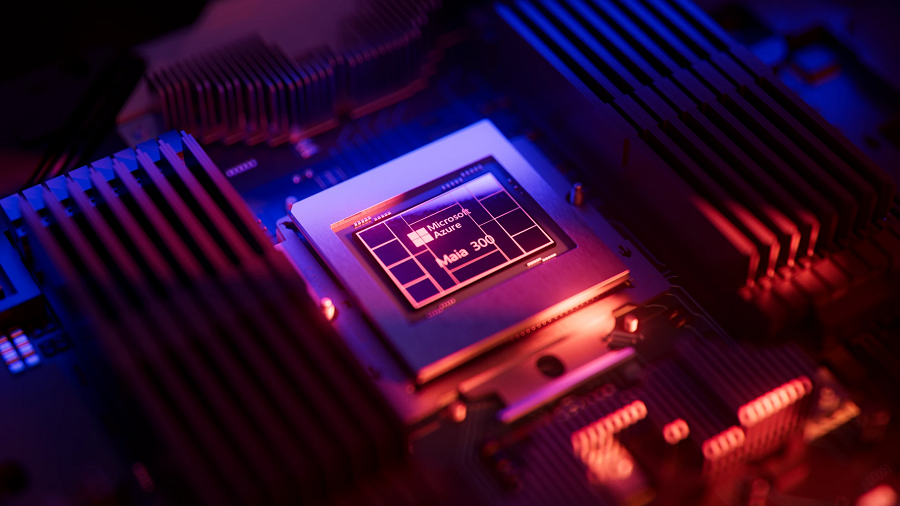
Yugabyte Meko targets shared memory for AI agents
Yugabyte launched Meko, a data infrastructure layer meant to give enterprise AI agents persistent memory, shared context and traceability.
By Wei-Lin Zhao · AI Correspondent
· 3 min read
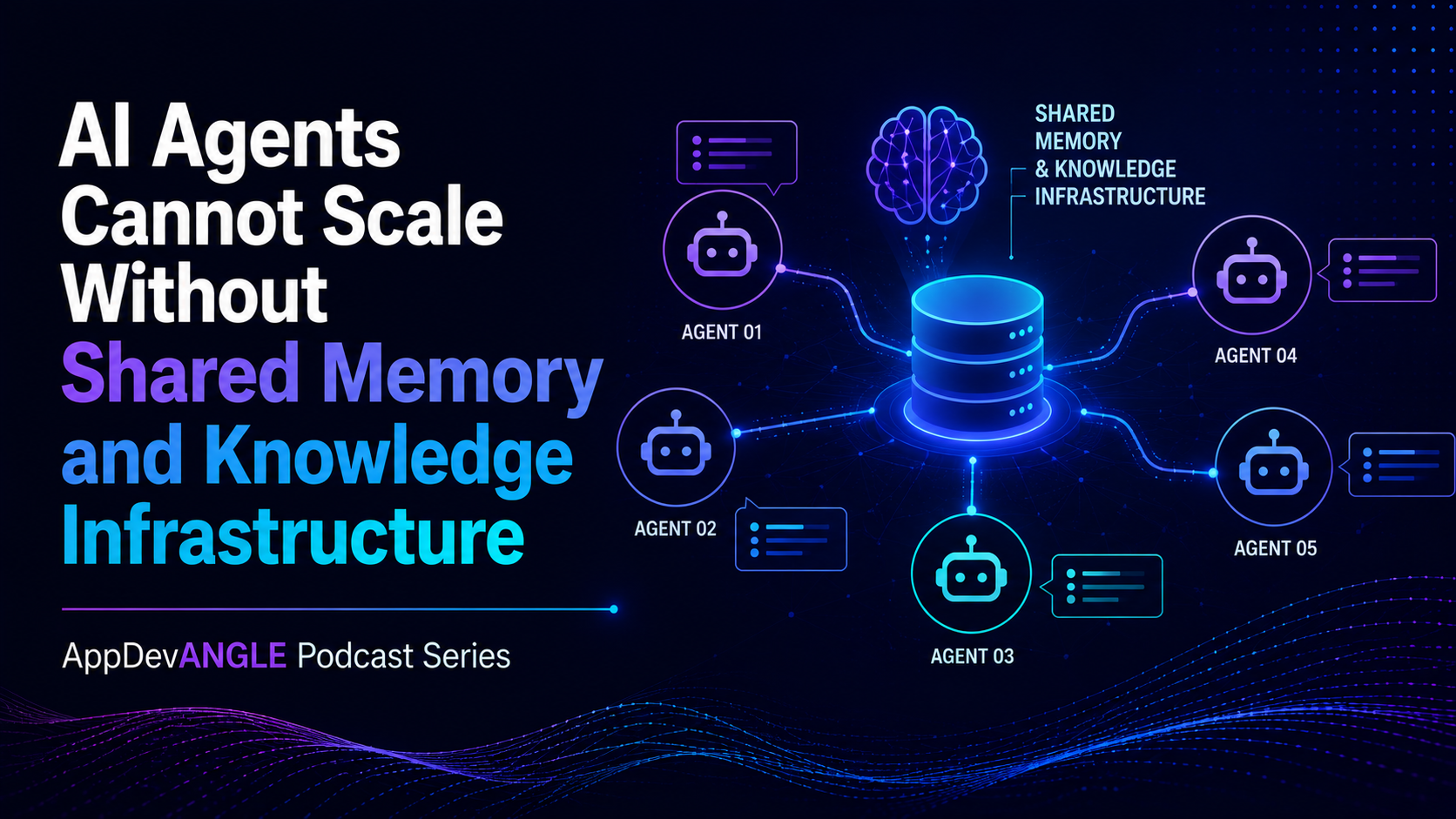
Yugabyte Meko is the company’s new data infrastructure platform for enterprise AI agents, aimed at giving multi-agent systems persistent memory, shared knowledge and traceability. The launch matters for AI infrastructure buyers because Yugabyte is arguing that the next bottleneck in agent deployments sits less in models and more in the data layer underneath them.
Karthik Ranganathan, Yugabyte’s co-founder and chief executive, discussed the product on theCUBE Research’s AppDevANGLE podcast. He said agentic systems depend on the quality and state of the data they can use, while model and orchestration layers have improved enough to expose gaps in data infrastructure.
Yugabyte did not disclose Meko pricing, customer names, revenue contribution or adoption figures in the discussion. The company positioned the product as a layer above YugabyteDB, its distributed SQL database built around PostgreSQL compatibility and support for relational, vector, graph and NoSQL-style access patterns.
What is Yugabyte Meko?
Meko is a data infrastructure layer designed to help AI agents store, retrieve and share memory and knowledge across workflows. Yugabyte says it is intended to distinguish short-term context from reusable memory and validated organizational knowledge, then make that information available to agentic applications.
The product is meant to address a common limitation in first-generation enterprise agents: many can produce outputs for a user, but do not retain durable context or explain how prior interactions shaped a result. That becomes more serious when companies move from individual assistants into multi-agent workflows for customer support, software development, sales operations and other production tasks.
Ranganathan said agents often share outputs without sharing the context, assumptions, findings or reasoning that produced those outputs. In practice, that can force systems to rebuild context repeatedly, increasing orchestration work and token usage.
Why shared memory is becoming an AI infrastructure issue
Yugabyte’s pitch is that shared memory should become part of the enterprise data stack rather than an ad hoc feature inside each agent application. Meko is designed to capture workflows and organize how agent conversations, memories, queries and knowledge are stored and retrieved.
The company also ties Meko to the Model Context Protocol, or MCP, as a mechanism for making memories and knowledge available across teams and agentic applications. According to Ranganathan, Meko is intended to preserve the lineage of a memory, including the conversation, user, agent reasoning and queries that contributed to it.
That traceability is central to the product’s governance argument. Logging an agent’s actions can show what happened, but enterprises may also need to know why an agent reached a conclusion, which data it used, what context it retrieved and whether that context was accurate at the time.
Meko is designed to record aspects of an agent workflow such as queries issued, retrieved context, latency and the data used in a final output. For regulated or business-critical use cases, that level of observability could help teams find bad source data, missing information or conflicting knowledge before it spreads through automated workflows.
The economics behind Yugabyte’s pitch
Yugabyte is also using a recent economic validation study to support the case for its distributed PostgreSQL foundation. The study found a modeled $15.62 million net economic benefit over three years for enterprises running mission-critical workloads on distributed PostgreSQL.
The analysis cited a 55% reduction in downtime-related revenue exposure, annual infrastructure, licensing and disaster recovery savings of $1.8 million to $3.4 million, and a 35% to 50% reduction in database-related operational engineering effort. It also found that 63% of organizations expect application workloads to grow by more than 25% over the next two years, while 64% are adding AI-driven capabilities to software delivery.
Those numbers support Yugabyte’s broader claim that agentic AI will increase data volume, query load and state management requirements. For buyers, the open question is whether Meko becomes a distinct control layer for agent memory or another feature set folded into existing database and orchestration platforms.
This story draws on original reporting from SiliconANGLE.