Safe Superintelligence Nvidia deal gives SSI Vera Rubin access
Nvidia is investing in Ilya Sutskever’s SSI and giving the AI lab Vera Rubin compute access in a deal Bloomberg says is worth billions.
By Dominic Okoye · Staff Writer
· 3 min read
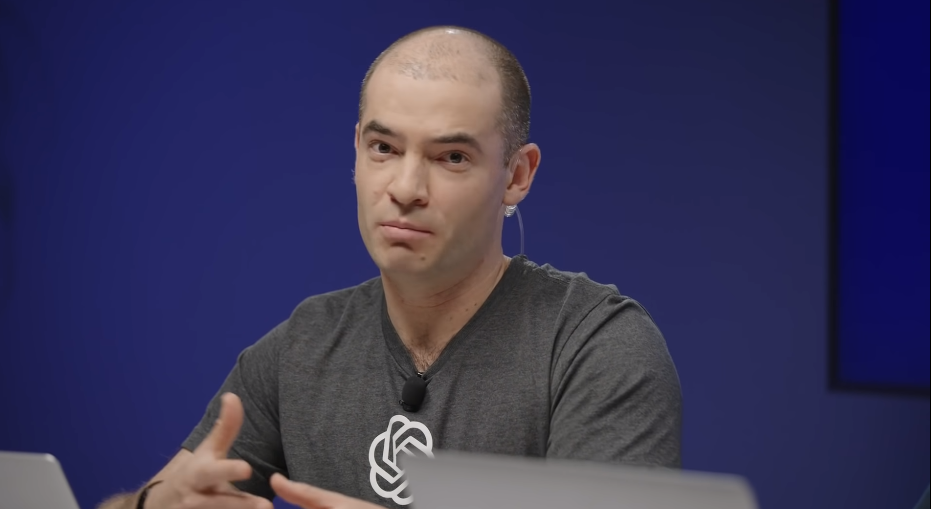
Safe Superintelligence has struck a Nvidia deal that gives Ilya Sutskever’s AI lab access to the chipmaker’s Vera Rubin graphics processors and a much larger pool of compute. Bloomberg reported that the arrangement is worth multiple billions of dollars, while the companies did not disclose the exact investment size, chip count, capacity, or timing.
Nvidia said SSI will gain enough Vera Rubin capacity to increase its available compute by an order of magnitude. The chipmaker also said it is investing in SSI after being given unusual access to the startup’s private research, and claimed SSI has reached research milestones that show progress toward its stated goal. Nvidia did not detail those milestones publicly.
SSI was founded in June 2024 by Sutskever, Daniel Levy and Daniel Gross. The company’s pitch has been narrower than most AI labs with similar capital access: build safe superintelligence without a near-term focus on revenue targets or product launches. That positioning is a useful fundraising story, but SSI has not released notable models or research papers, according to the available public record cited by SiliconANGLE.
What is the Safe Superintelligence Nvidia deal?
The deal gives SSI access to Nvidia’s Vera Rubin platform and adds Nvidia as a strategic backer in the company’s effort to scale its AI research. Vera Rubin is the Nvidia compute platform SSI plans to use for a larger training setup; neither company said how much of the platform SSI will receive or under what commercial terms.
Sutskever told Bloomberg that SSI has research “worthy of scaling up” and said access to a large Nvidia computer would let the company do that. He also said SSI’s bet on Vera Rubin would take it “to the next level.” Those are company claims, and the absence of public technical results makes the deal harder to assess from the outside.
The financing context is less opaque. PitchBook data cited by SiliconANGLE puts SSI’s total fundraising at more than $7 billion and its valuation at $32 billion. Nvidia is listed among its major backers, along with Alphabet, Andreessen Horowitz, Lightspeed Venture Partners, Sequoia Capital Partners, GV and others.
Why Nvidia wants SSI close
Nvidia said it will work with SSI on current and future compute platforms, using the startup’s views on where AI is heading. That is consistent with Nvidia’s broader position in the AI market: the company sells the infrastructure used to train and run advanced models, and relationships with leading labs help shape demand for new hardware generations.
For SSI, the logic is more direct. Ambitious AI research is constrained by access to chips, power and capital. A multi-billion-dollar relationship with Nvidia gives the company more of each, at least on paper, while also tying it more closely to the vendor that dominates accelerated AI infrastructure.
Sutskever’s role is the main reason SSI receives this level of attention despite its limited public output. He co-created AlexNet with Alex Krizhevsky and Geoffrey Hinton, work that showed how deep neural networks could improve when trained on large GPU clusters. He later co-founded OpenAI and led its Superalignment team before leaving after the governance fight around Chief Executive Sam Altman.
SSI has also had executive turnover. Gross, who had served as chief executive, left last year to join Meta Platforms’ Superintelligence Labs unit. The Nvidia agreement gives SSI more compute and more capital, but it does not answer the basic operating question facing the company: when, or whether, its private safety-focused research becomes visible enough for the market to judge.
This story draws on original reporting from SiliconANGLE.