OneSpan packages bank authentication tools into DigipassONE
DigipassONE combines OneSpan’s tokens, passkeys, transaction signing and credential products for banks running multiple authentication methods.
By Wei-Lin Zhao · AI Correspondent
· 3 min read
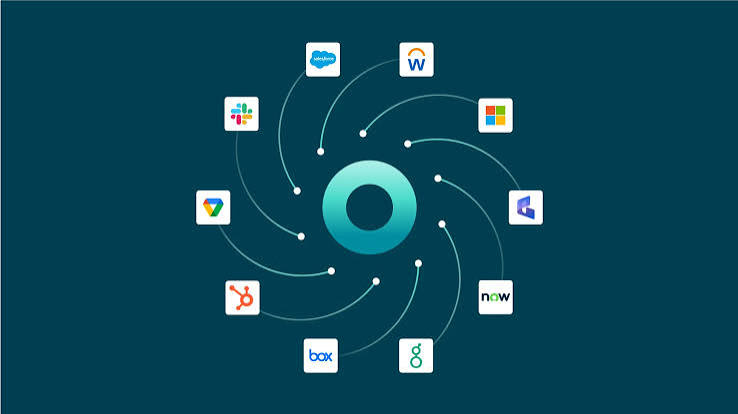
OneSpan has launched DigipassONE, a new platform that brings its bank authentication and transaction security products into a common architecture. The company did not disclose pricing, customer commitments or revenue targets for the launch, which is aimed at financial institutions trying to modernize login and signing systems without replacing every existing control at once.
The platform combines several products OneSpan has sold separately, including one-time passcodes, FIDO2 support, Digipass hardware and software authenticators, Cronto transaction signing, in-app protection, analytics and digital credentials. OneSpan said DigipassONE can be deployed on-premises or in the cloud and can be used with hardware tokens as well as software-based authentication.
The pitch is practical rather than novel: banks tend to run overlapping authentication systems for long periods because customers, regulators and legacy infrastructure do not move at the same pace. OneSpan is positioning DigipassONE as a management layer for that mixed environment, rather than a forced migration to a single passwordless standard.
What OneSpan is bundling
OneSpan said the platform is organized around four goals: allowing institutions to update authentication without disrupting existing deployments, adding higher-assurance authentication and transaction signing, simplifying administration and reporting across methods, and letting banks expand capabilities as customer and regulatory requirements change.
Passkeys and digital credentials are part of the package. OneSpan said those features are intended to support banks moving from older authentication models toward FIDO2-based passwordless login, though the company also acknowledges that older methods will remain in use alongside newer ones.
OneSpan Chief Technology Officer Ashish Jain said banks are unlikely to shift authentication in a single step and will continue operating several technologies at the same time for years. He described DigipassONE as a way for customers to adopt newer authentication methods while keeping systems that still work.
The launch follows OneSpan’s early-access release of a digital credentials product that lets organizations issue and verify credentials inside authentication and transaction workflows. OneSpan presented that product as part of the foundation for the broader DigipassONE platform.
Regulatory pressure is part of the sales case
OneSpan pointed to European regulation as a driver for bank demand. The company cited the European Digital Identity Wallet program, which targets 80% citizen adoption by 2030, and the coming PSD3 payments rules as examples of requirements pushing banks to reassess authentication infrastructure.
Those references matter because authentication vendors are selling into banks that must balance fraud controls, customer experience and compliance deadlines. The release does not say how DigipassONE is priced, how many banks have committed to it, or whether it changes OneSpan’s revenue mix.
OneSpan said more than 60% of the world’s 100 largest banks use its authentication technology. The company also cited an Overall Leader ranking from KuppingerCole Analysts in the firm’s Leadership Compass for passwordless authentication.
Guillaume Teixeron, a senior analyst at KuppingerCole, said bank authentication upgrades are not a wholesale replacement exercise and that hardware tokens, mobile authenticators and passkeys will operate side by side for years. In his view, the ability to manage that coexistence is the point of differentiation.
For OneSpan, DigipassONE is the first move in a wider platform strategy built on its long-running authentication business. For buyers, the test will be whether the shared architecture reduces operational complexity across mixed authentication estates, rather than adding another layer to manage.
This story draws on original reporting from SiliconANGLE.