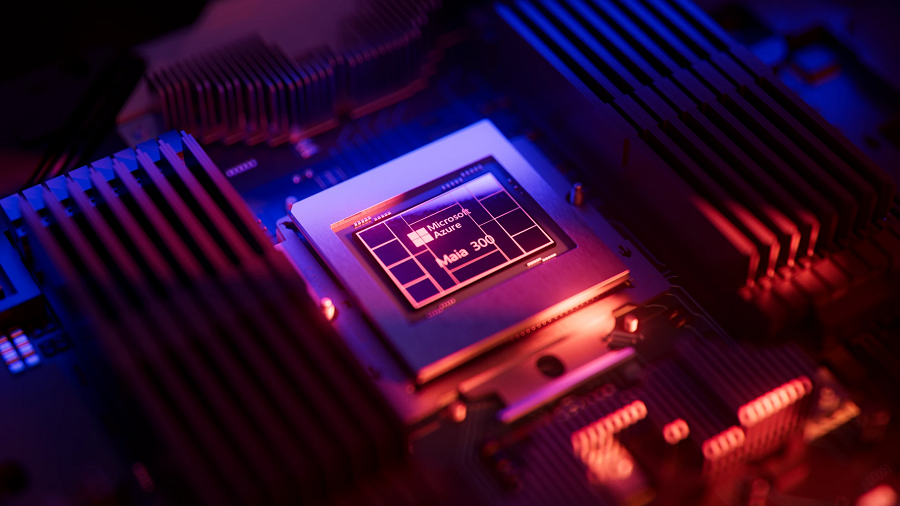
Microsoft Azure earnings lift stock 9% as capex forecast holds
Microsoft shares rose after Azure growth topped forecasts and the company kept its near-term infrastructure spending plan unchanged.
By Wei-Lin Zhao · AI Correspondent
· 3 min read
Microsoft Azure earnings put the company back on better footing with investors Wednesday, with shares up 9% in after-hours trading after fiscal fourth-quarter revenue and profit beat Wall Street estimates. The move mattered less because Microsoft spent less on AI infrastructure, and more because it did not raise its near-term capital expenditure forecast while Azure growth accelerated.
Microsoft reported revenue of $90.01 billion, up 18% from a year earlier and ahead of analysts’ $87.62 billion estimate. Earnings excluding certain costs, including stock compensation, were $4.74 per share versus the Street’s $4.24 target. Net income rose to $35.77 billion from $27.23 billion a year earlier.
The earnings figure came with a caveat. Microsoft said it included 27 cents per share of unusual accounting benefits, mostly from a $3.2 billion unrealized gain on its investment in Anthropic PBC. During the quarter, Anthropic’s valuation rose from $350 billion to $900 billion, according to the company’s disclosure.
Why did Microsoft stock rise after earnings?
Investors were looking for proof that Microsoft’s AI infrastructure spending was being matched by cloud demand. The quarter gave them stronger Azure growth than expected, a revenue outlook ahead of consensus and no immediate increase to the company’s capital spending plan for the rest of the calendar year.
Microsoft’s Intelligent Cloud unit, which includes Azure, generated $39.31 billion in revenue, up 32% year over year and above the $38.16 billion analyst consensus. Azure revenue grew 43%, faster than the prior quarter’s 40% rate and above analysts’ 40% forecast. Chief Financial Officer Amy Hood said Microsoft expects Azure revenue to grow 45% in the current quarter, compared with the Street’s 41.4% consensus.
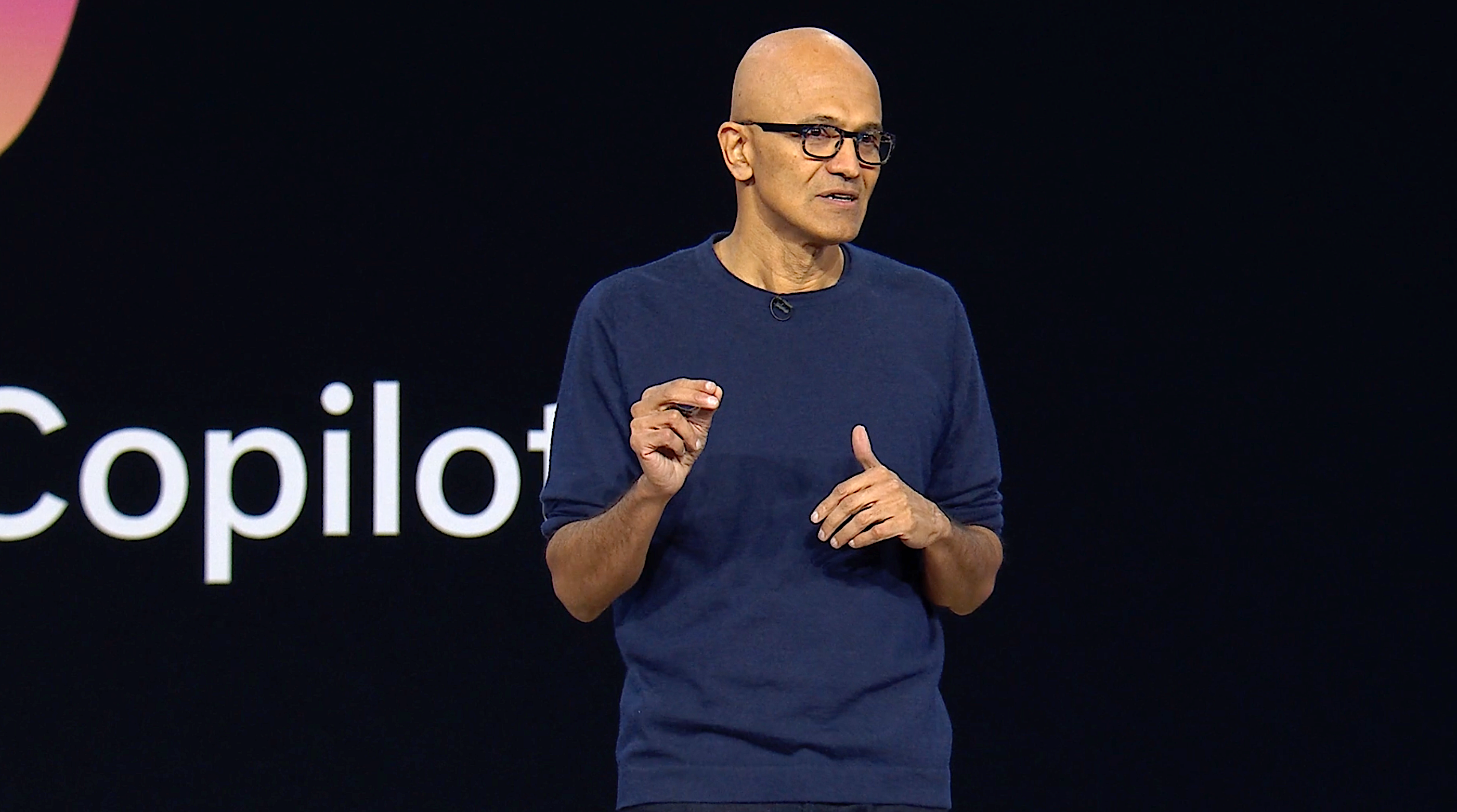
Chief Executive Satya Nadella told analysts Microsoft is trying to balance chip capacity across Azure customers, AI research and applications such as Microsoft 365 Copilot. He said allocating more chips to model training leaves fewer available for cloud customers.
Capital spending remains the main open question. Microsoft spent $41 billion on capital expenditures and leases in the quarter, up 69% from a year earlier. Hood reiterated the company’s spending plans for the rest of the calendar year, a point Valoir analyst Rebecca Wettemann said likely eased concerns that spending was outrunning Azure and Copilot traction.
Hood also said Microsoft’s commercial remaining performance obligations, booked revenue that has not yet been recognized, rose 8% sequentially to $678 billion. She attributed the increase to customer commitments outside AI model developers. For fiscal 2027, Hood said Microsoft plans to increase capex to meet demand across its portfolio.
The company is also changing how it accounts for infrastructure assets. Microsoft plans to extend the useful life of new offices and data center buildings to 25 years from 15 years, and shift more leases from finance leases to operating leases. The adjustments are expected to result in about $175 billion in capex.
Wettemann said Microsoft still needs to show customers measurable returns from AI and data center investment, especially for enterprises wary of high token costs and failed early AI projects. She also said future capex commentary will matter as investors assess what Microsoft is building and whether Azure and AI can be delivered more efficiently.
Other parts of Microsoft also cleared expectations. Productivity and Business Processes, which includes Office, Dynamics and LinkedIn, posted $37.85 billion in revenue, up 14% and above the $37.19 billion analyst target. Nadella said Microsoft 365 Copilot has more than 30 million paid seats, while GitHub Copilot has more than 50 million users.
More Personal Computing revenue was $12.85 billion, down 4% year over year but above the $12.17 billion consensus. Device and Windows license revenue to PC makers fell 7%, while Xbox revenue dropped 10%. Microsoft shares remain down 19% for the year, compared with an approximately 7% gain for the S&P 500.
This story draws on original reporting from SiliconANGLE.