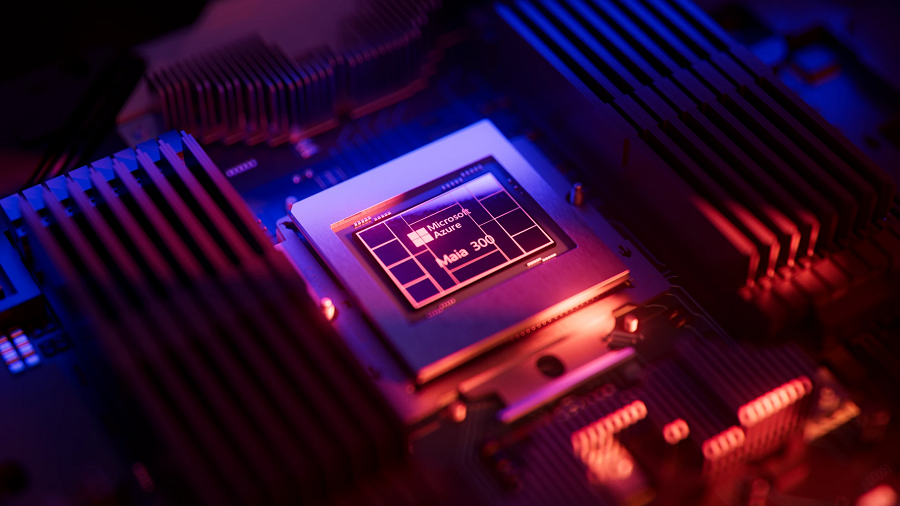
Microsoft AMD Azure AI infrastructure push adds Helios racks
Microsoft plans to use AMD Helios racks and EPYC VMs in Azure as AI demand pushes cloud providers beyond single-supplier chip strategies.
By Dominic Okoye · Staff Writer
· 3 min read
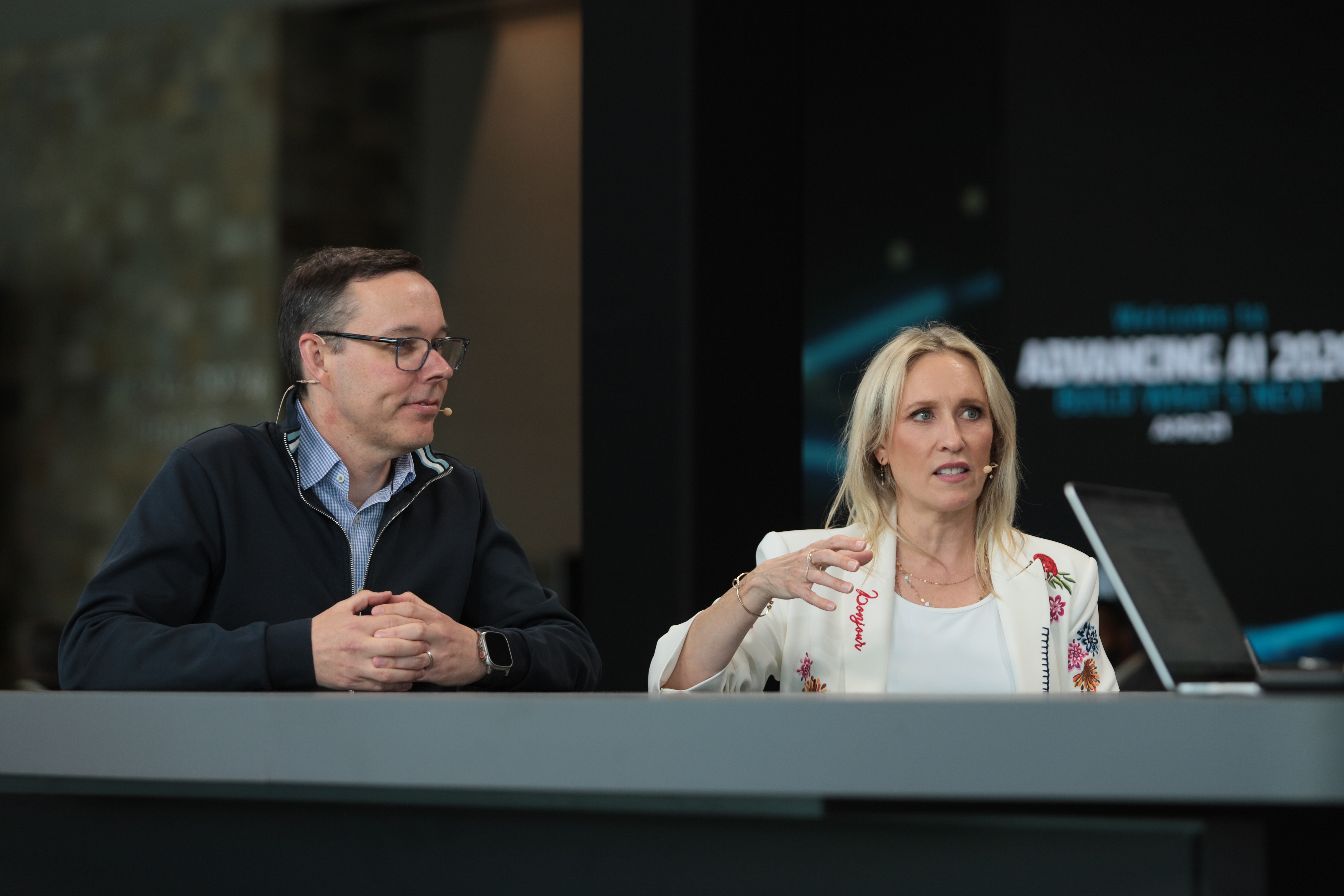
Microsoft is adding AMD systems to its Azure AI buildout, with plans to deploy AMD’s Helios rack-scale platform across Azure for frontier model inference and to introduce new Azure virtual machine families powered by AMD EPYC processors. The Microsoft AMD Azure AI infrastructure move matters because hyperscalers are under pressure to add compute capacity without tying their AI roadmaps to one chip architecture or supplier.
Microsoft did not disclose the number of Helios racks it will deploy, the capital spending involved, or a delivery schedule. The company’s public comments, made by Azure executives Alistair Speirs and Jessica Hawk during SiliconANGLE’s theCUBE coverage of AMD Advancing AI 2026, framed the partnership as part of a broader shift toward using GPUs, CPUs and custom silicon together inside cloud data centers.
Speirs, general manager of Azure infrastructure at Microsoft, said Azure needs a broader set of silicon options as AI systems require larger building blocks and data centers scale up. He described the AMD work as part of Microsoft’s effort to build full systems rather than isolated chip-level deployments, according to the interview.
What is Microsoft using AMD Helios for?
Microsoft plans to use AMD Helios rack-scale systems in Azure for frontier model inference. Inference is the production workload that runs trained models for users and applications, and its cost profile has become a central issue as AI usage expands.
The Helios deployment sits alongside new AMD EPYC-based Azure VM families. The split is notable: Microsoft is presenting AMD as part of both its accelerator strategy for high-end AI workloads and its CPU strategy for virtualized cloud capacity, although it has not provided performance benchmarks or pricing for the new VM families in the remarks reported from the event.
Why Microsoft is talking about silicon diversity
Hawk, corporate vice president of Azure at Microsoft, said the AMD relationship involves joint design work across the data center, including facilities, racks, power distribution, networking and software. Her point was that hyperscale AI infrastructure is now being engineered as a system, with chip selection affecting everything from the floor plan to the application layer.
The practical driver is cost-performance. Hawk said rising AI token consumption is creating pressure on Azure to support larger workloads more efficiently. SiliconANGLE’s coverage also cited reinforcement learning and agent coordination as workloads influencing the Azure-AMD buildout, as enterprises adopt more agentic AI patterns.
Microsoft’s position is that choice across silicon suppliers, plus its own custom silicon, gives Azure more flexibility as AI demand grows. That is a supplier strategy as much as an engineering one. Cloud providers have spent the past AI cycle competing for scarce accelerator capacity, and Microsoft’s comments signal that it wants a broader procurement and design base for the next phase of Azure AI infrastructure.
The companies have not said how the AMD systems will be allocated across Azure regions or customers. They also have not said how the Helios deployment will compare with other accelerator platforms already used by Azure. For operators buying cloud AI capacity, the immediate takeaway is that Azure is preparing more heterogeneous infrastructure rather than a single standard AI compute stack.
The comments were made during theCUBE’s coverage of AMD Advancing AI 2026. SiliconANGLE disclosed that theCUBE was a paid media partner for the AMD event and said AMD did not have editorial control over the coverage.
This story draws on original reporting from SiliconANGLE.