Jensen Huang was reportedly targeted by Chinese intelligence operation
The New York Times reported that a Megaspeed executive close to Nvidia’s CEO passed information to Beijing; Nvidia called their contacts routine.
By Colin Brandt · Enterprise Reporter
· 3 min read
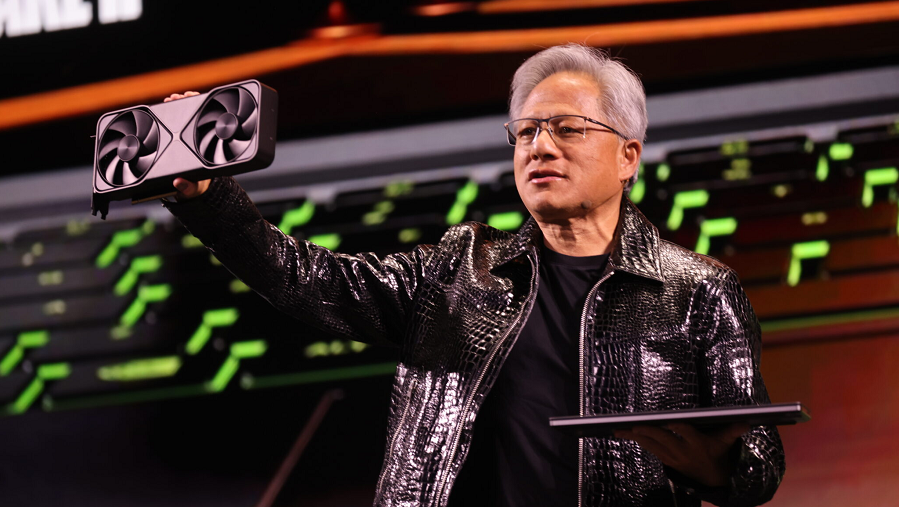
The New York Times reported that U.S. intelligence agencies concluded an executive associated with Singapore-based data-center company Megaspeed was passing information to Beijing and had developed a close relationship with Nvidia Chief Executive Jensen Huang. The Jensen Huang Chinese spy report adds a security allegation to scrutiny of companies that may help Chinese customers obtain access to restricted Nvidia computing, though the available reporting does not establish that Huang knew of the alleged intelligence activity or disclosed confidential information.
The executive, Alice Huang, also known as Huang Le, is not related to Nvidia’s CEO. The Times report, as described by the Guardian and other outlets, said U.S. officials determined she was acting as a Chinese intelligence asset and passing commercial information to Beijing. Those assertions are attributed to unnamed sources describing an intelligence assessment, not to public records, charges or a court finding.
Officials’ surveillance found that Alice Huang had developed a close relationship with Huang, according to the reports. The Times also reported that intelligence officials believed Huang did not know she was seeking information for China, according to SiliconANGLE’s account of the report.
What did Nvidia say about Jensen Huang’s meetings with Alice Huang?
Nvidia said Huang’s dealings with Alice Huang were ordinary customer interactions. A company spokesperson said meetings with customers are part of a chief executive’s job and that Huang speaks with thousands of customer executives each year. Nvidia said customers such as Megaspeed receive ordinary business information, rather than sensitive Nvidia trade secrets or information relevant to national security.
The company’s statement addresses the access question but does not resolve the reported intelligence assessment. Nothing in the supplied reporting establishes that Huang knowingly assisted Chinese intelligence, knew of Alice Huang’s alleged role or shared confidential information with her.
Why was Megaspeed under U.S. scrutiny?
Megaspeed had already drawn attention over possible evasion of U.S. restrictions on exports of advanced AI chips to China, according to the reports. SiliconANGLE, citing the Times, reported that a Commerce Department official visiting a Megaspeed data center in Malaysia found GPUs in boxes rather than installed in server racks, prompting suspicions that the equipment could be sent elsewhere. The department subsequently opened an investigation, the report said.
Separately, the Times reported that Alice Huang arranged a purchase of roughly $2 billion in Nvidia GPUs for Megaspeed and that the chips were intended for data centers in Malaysia and Indonesia that appeared to serve China-based customers, according to people familiar with the matter. Investing.com, in a report republished by Yahoo Finance, said trade records cited by the Times showed a Malaysian Megaspeed affiliate bought at least $4.8 billion in AI equipment containing Nvidia chips between June 2024 and February 2026.
The allegations put a spotlight on the limits of export controls when chip buyers, data-center operators and end users span multiple jurisdictions. They do not, on the available evidence, show that Nvidia or its CEO knowingly participated in any effort to evade those controls.
This story draws on original reporting from SiliconANGLE.