Hegseth memo bars Pentagon personnel from betting on nonpublic military information
Pete Hegseth’s Oct. 20 memo bars transactions based on nonpublic information, including bets on Polymarket and Kalshi.
By Renata Fuchs · Policy Reporter
· 3 min read
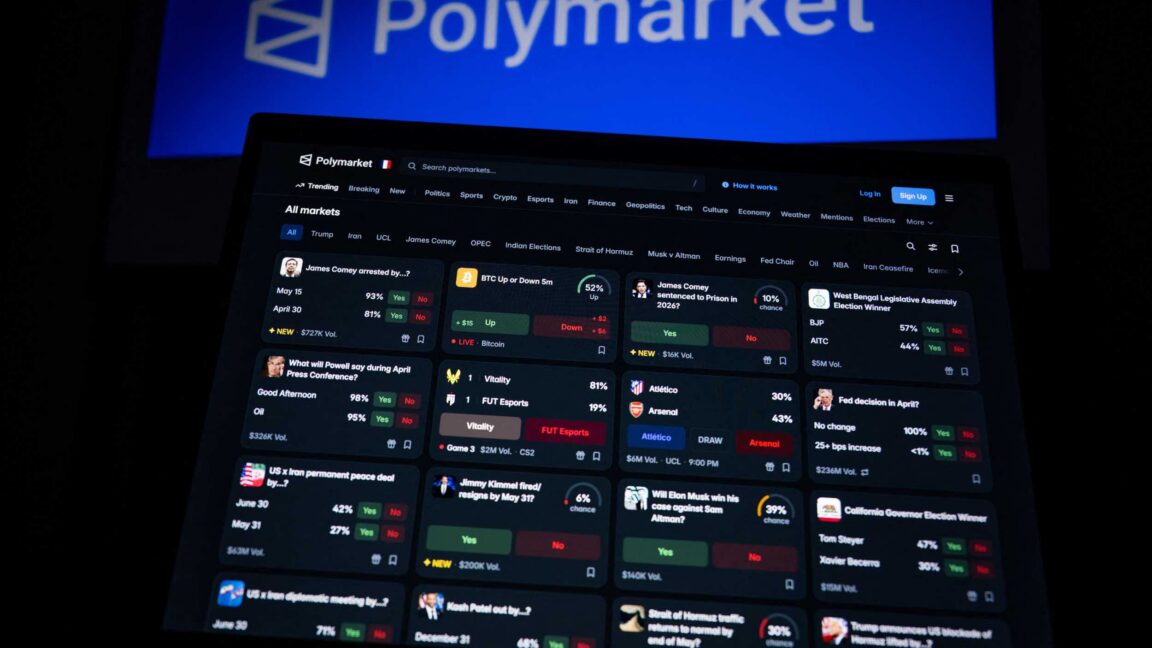
Defense Secretary Pete Hegseth’s Oct. 20 prediction market memo prohibits Department of War personnel from making financial transactions based on nonpublic information, including bets on military outcomes through Polymarket and Kalshi. The order is not a blanket ban on prediction-market use, but it casts such trades as both an operational-security risk and a potential conflict with military judgment.
The directive covers transactions made directly or through a third party and applies whether the nonpublic information is classified or unclassified. It extends to traditional betting services as well as prediction markets. The memo is addressed to senior Pentagon leadership, combatant-command commanders, and defense agency and field-activity directors.
Hegseth wrote that service members, intelligence professionals and other department civilians can create market signals when they transact on military outcomes. According to the memo, hostile foreign intelligence services could aggregate and correlate those signals to infer U.S. movements, targets and timing. The memo argues that protecting that information is necessary for the safety of personnel involved in military operations.
Does Hegseth’s memo ban prediction markets for military personnel?
No. The memo bars financial transactions informed by nonpublic information. It specifically names Polymarket and Kalshi among the platforms covered, but does not prohibit every department employee from participating in prediction markets regardless of what information informs a trade, according to reporting by Task & Purpose.
The rule also addresses incentives inside the department. Hegseth’s memo says that a logistician who has money riding on a strike date or an analyst who holds a position on an outcome may have a financial interest that distorts professional judgment. The policy therefore treats the issue as more than an information leak: it also seeks to prevent personnel from holding personal financial stakes in outcomes connected to their duties.
Violations may lead to administrative or disciplinary action and, where appropriate, criminal action under the Uniform Code of Military Justice or applicable federal law, the memo says. It does not describe how the department will monitor compliance, what implementation procedures it will use, or which event prompted the timing of the directive.
The warning follows reported allegations involving an Army Special Forces soldier. Task & Purpose reported that federal authorities arrested and indicted the soldier in April, alleging he used knowledge of planning for a Venezuela raid to place prediction-market bets. The case remains an allegation rather than a conviction.
For prediction-market operators, the memo puts a national-security boundary around a category that has increasingly turned military and geopolitical events into tradable contracts. The immediate policy focus is narrow: department personnel cannot use nonpublic information in a financial transaction, whether the venue is a conventional betting platform or a prediction market.
Readers can review the October 20 memorandum for its full wording.
This story draws on original reporting from Ars Technica.