IBM mainframe revenue falls 42% as hardware deals slip
IBM said its Z revenue fell 42% in Q2 as clients delayed large hardware deals, while software revenue grew to $7.8 billion.
By Dominic Okoye · Staff Writer
· 3 min read
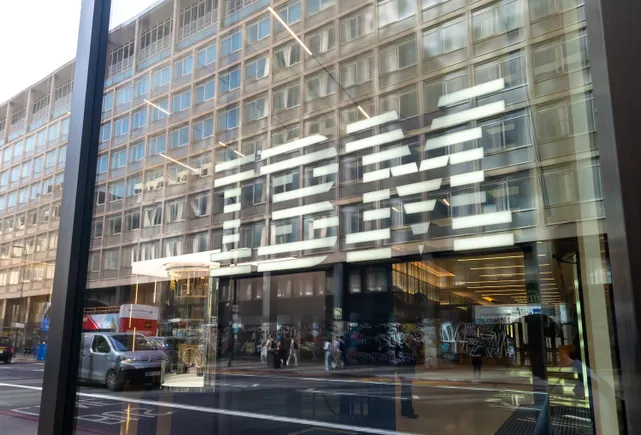
IBM mainframe revenue dropped sharply in the second quarter, with the company’s IBM Z business down 42% from a year earlier, management said on its Q2 2026 earnings call Wednesday. IBM blamed delayed customer purchases, not a broad move away from mainframes, which matters because the Z franchise remains a durable profit and workload anchor even as software now drives most of the company’s revenue.
For the quarter ended June 30, IBM reported total revenue of $17.2 billion, up 1% year over year. The infrastructure segment fell 7%, worse than the company had expected, while software revenue rose 5% to $7.8 billion and consulting was flat at $5.3 billion. IBM had already warned investors that mainframe sales would be weak in the period.
The comparison was difficult because IBM began general availability of its z17 mainframe in the year-earlier quarter. Still, the scale of the Z decline was large enough that executives spent the call arguing the shortfall was timing-related.
Why did IBM mainframe revenue fall?
CEO Arvind Krishna said customers moved budget toward servers and other hardware as supply-constrained components became more expensive. He said large capital expenditure deals accounted for most of what failed to materialize in the quarter, and that some alternate hardware purchases customers were making had risen 30% in dollar value from one quarter to the next.
CFO James Kavanaugh gave a similar explanation, saying many clients bought servers, storage and memory ahead of expected price increases to secure supply. According to Kavanaugh, tens of large transactions did not close on IBM’s expected timetable and made up most of the miss.
IBM’s argument is that the deals slipped rather than disappeared. Krishna said one-third of the delayed Q2 deals closed in the first three weeks after the quarter ended. He said that pace was a sign of budget deferral rather than demand destruction, while also acknowledging IBM would not usually expect every delayed deal to close.
What IBM is saying about mainframe demand
Krishna said IBM sees no evidence that customers are abandoning mainframes, even as they review where workloads should run. He also said IBM Z systems handle 70% of global transactions by value, underscoring why investors and enterprise technology buyers still watch the platform closely.
The company positioned the z17 cycle as strong despite the quarterly miss. Krishna described the z17 refresh as the best in IBM’s reported history, a company claim that was not accompanied by a disclosed revenue figure for the product cycle beyond the quarterly segment results.
Brian Klingbeil, chief strategy officer at managed service provider Ensono, told Channel Dive that some decline in z17 sales was expected as part of a normal mainframe buying cycle. He said IBM had expected a mid-single-digit drop in Z and missed that expectation only modestly, though the reported 42% year-over-year decline reflects the difficult launch-quarter comparison.
Klingbeil also pointed to changed buyer behavior during component shortages and rapid AI-driven infrastructure planning. He said customers are taking longer to commit to multiyear vendor agreements because they may have more options within a year.
The larger company mix explains why the mainframe stumble did not define IBM’s whole quarter. Software and consulting together generated more than three-quarters of Q2 revenue, with software’s recurring profile less exposed to short-term capital spending shifts than the infrastructure business. That insulation is useful for IBM, but the mainframe decline shows that even entrenched enterprise platforms can get caught when hardware budgets are redirected under supply pressure.
This story draws on original reporting from CIO Dive.