Greyparrot series B brings in $27M for AI recycling cameras
Greyparrot raised a $27 million Series B to expand AI camera systems that measure waste streams in recycling plants.
By Dominic Okoye · Staff Writer
· 3 min read
Greyparrot.ai Ltd. announced a $27 million Greyparrot series B led by Om Elite Assets Investment to expand its recycling intelligence infrastructure worldwide. The company disclosed the round size and lead investor, but did not announce a valuation, revenue, headcount or other participating investors.
The financing lands as recycling plants face a less forgiving input stream. According to Greyparrot, many facilities still rely on older mechanical and manual sorting processes built for simpler packaging, while consumer goods companies now send more complex materials, colors and formats through the same infrastructure.
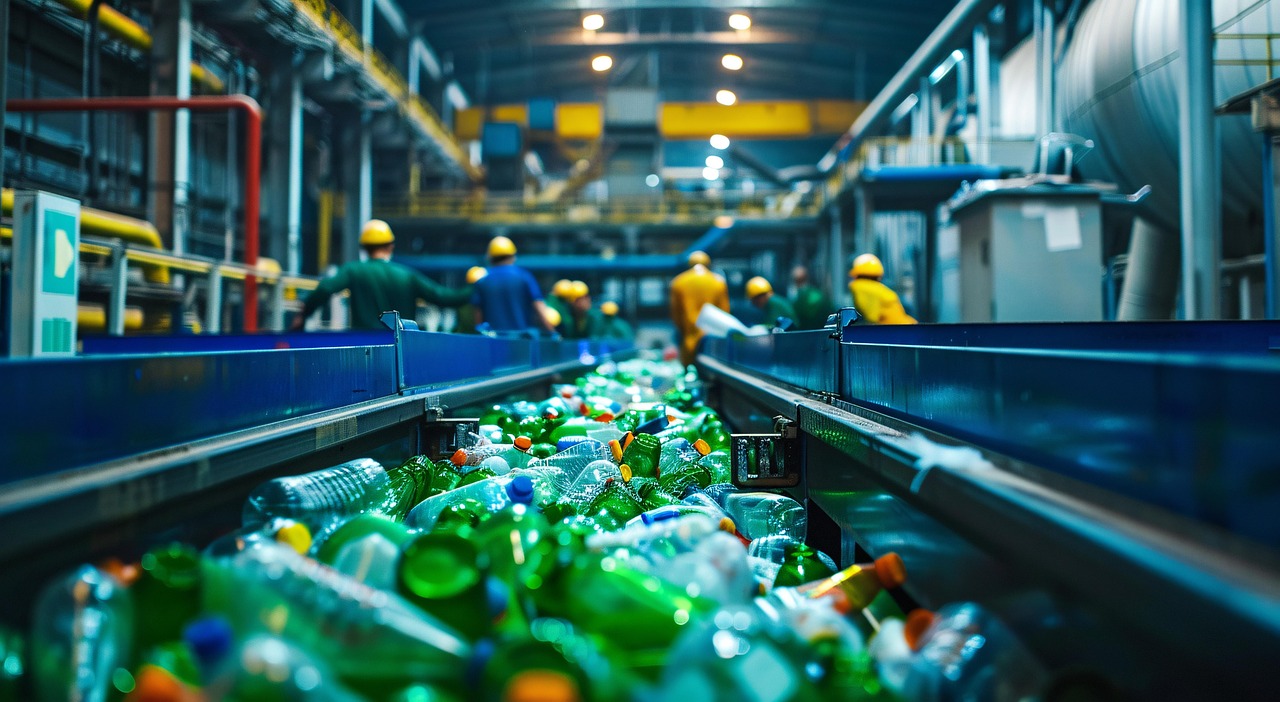
Greyparrot’s bet is that better measurement can improve economics before plant owners replace major equipment. Its flagship product, Greyparrot Analyzer, uses AI-enabled cameras mounted above conveyor belts to identify items moving through sorting facilities in real time. The company says the system can classify more than 111 waste types and has logged more than 1 trillion detections.
What does Greyparrot's AI do in recycling plants?
Greyparrot uses computer vision to inspect objects on recycling conveyor belts and give facilities product-level data about what is moving through their systems. In practice, that means operators can see where valuable material is being missed, where contamination is entering the stream and how existing separators are performing.
The company frames the product less as an environmental dashboard than as a yield tool. Recoverable materials such as aluminum, polyethylene terephthalate and high-density polyethylene can be processed into cleaner raw material and resold to manufacturers. When those materials are sent to landfill, plants lose potential revenue as well as recycling volume.
Greyparrot says that if every item represented by its 1 trillion detections had been recycled at the highest purity and sold, the associated material value would total about $2.5 billion. That is a theoretical figure from the company, not reported revenue. Greyparrot also claims its system can deliver up to 40 times return on investment for recycling centers, but did not provide the baseline behind that claim.
Co-founder Ambarish Mitra told SiliconANGLE that Greyparrot approached waste as an economic problem and described the opportunity as unlocking the financial value of material that otherwise gets discarded. He also said the company wants its data to influence packaging design policy, shifting some of the burden away from recycling operators.
Why packaging design matters
Greyparrot’s argument is that materials that look equivalent on paper may not perform the same way inside real sorting facilities. Mitra cited aerosol cans as an example: lighter-colored cans can be recovered more often than darker ones, even when the underlying material is the same.
That kind of data could matter to consumer goods companies and regulators if it shows which design choices make packaging easier to identify and recover using existing infrastructure. Greyparrot says small design changes could improve recycling outcomes without requiring plants to buy entirely new systems.
The new capital will primarily support U.S. expansion, where Mitra said the company sees the highest concentration of waste generation. Greyparrot also plans to continue hardware development, hire staff and broaden its work using recycling data in policy discussions.
This story draws on original reporting from SiliconANGLE.