Google adds selfie video checks for account recovery
Google is adding opt-in selfie video verification for account recovery, extending its push beyond passwords with a biometric fallback.
By Dominic Okoye · Staff Writer
· 3 min read
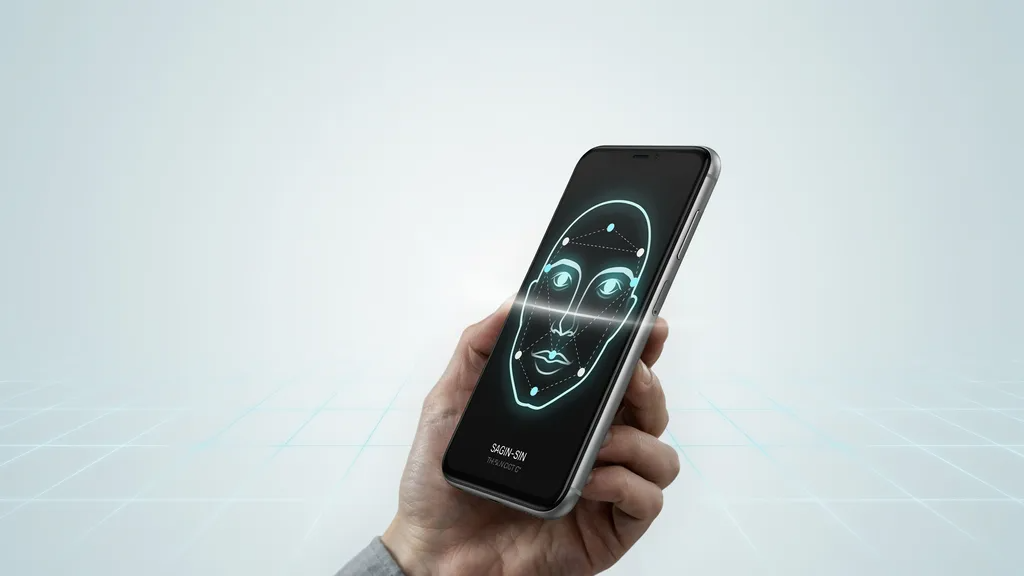
Google LLC is rolling out an opt-in account recovery method that asks users to record a short selfie video when standard sign-in routes fail. No pricing, commercial terms or enterprise packaging were disclosed, but the change puts biometric recovery deeper into Google’s consumer identity stack.
The feature is meant for users who cannot access an account they own, such as after losing a phone, forgetting a password or trying to sign in from someone else’s device. Google described the selfie video option as an additional recovery path rather than a substitute for existing login methods, consistent with its long-running push to get users to maintain multiple ways back into an account.
Enrollment requires a user to look into a device camera and follow prompts that capture their face from several angles. If the user later needs help regaining access, Google asks for new selfie videos and compares them with the stored enrollment video before restoring access.
Google said the selfie video is recorded and stored only after user consent. The company said users can remove it from their Google account at any time, that it is used only for sign-in unless a user chooses to share it for another purpose, and that the stored video is encrypted at rest.
Security claims and limits
Google is positioning the feature partly as a response to common impersonation attacks. The company said its system is designed to reject fake photos and AI-generated deepfakes by checking a new recording against the saved video and by requiring head movements intended to prove liveness.
Those checks are layered on top of Google’s existing suspicious sign-in detection, according to the company. Google did not disclose error rates, review procedures, demographic performance data or how disputes are handled when the selfie comparison fails. Those omissions matter because biometric recovery systems shift some risk from passwords and devices to face-matching accuracy and account-level governance.
The rollout also gives Google another recovery mechanism as the company reduces reliance on passwords. Google added passkey support for personal accounts in 2023 and said in 2024 that its systems had passed 1 billion passkey authentications. Recovery contacts are another part of that broader account access toolkit.
For operators and security teams, the relevant signal is that one of the largest identity providers is normalizing video-based recovery for account access, not just one-off identity checks. That may make similar flows more familiar to users, while also raising the bar for how clearly platforms explain retention, consent and failure handling.
The selfie video option is being introduced as an opt-in feature. Google is directing users to check eligibility and set it up through g.co/signin-selfie.
This story draws on original reporting from SiliconANGLE.