Google capex 2026 rises to $205B as AI demand strains supply
Google raised 2026 capital expenditures to $205 billion, saying cloud and AI demand still exceeds the compute capacity it has added.
By Colin Brandt · Enterprise Reporter
· 3 min read
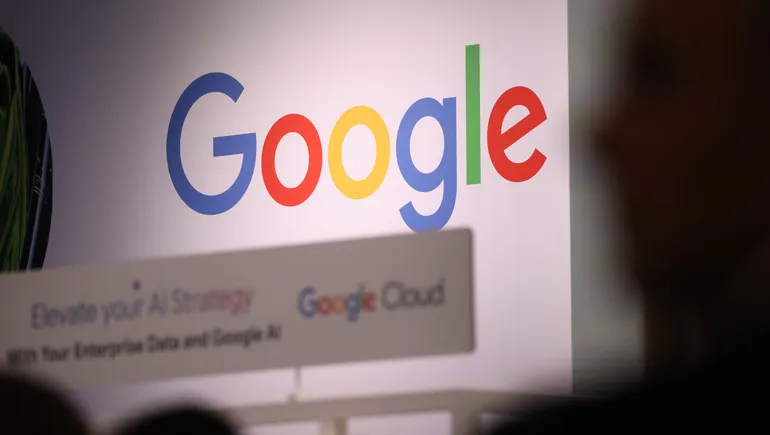
Google capex 2026 is now set at $205 billion, up from earlier expectations of as much as $190 billion, as the company spends to add compute capacity for cloud and AI demand. CFO Anat Ashkenazi said on Google’s second-quarter earnings call Wednesday that spending is expected to keep rising significantly into 2027, a signal that the AI infrastructure race among hyperscalers is still absorbing capital at an unusual pace.
Ashkenazi said Google remains “in a supply-constrained environment,” adding that demand is still ahead of the capacity the company has added over the past three years. Google did not break out how much of the new capex figure is tied specifically to AI accelerators, data centers, networking, power or other infrastructure.
The spending increase came alongside stronger cloud results. Google’s cloud revenue rose 82% in the second quarter, according to the company’s earnings materials, with growth led mainly by Google Cloud Platform revenue tied to enterprise AI products and infrastructure. Ashkenazi also said Google began seeing revenue from tensor processing unit systems placed in customer data centers for the first time during the quarter.
Why is Google raising capex in 2026?
Google says the near-term reason is capacity: customers are asking for more compute than the company can currently supply. In practical terms, that means Google is committing more capital to the infrastructure behind AI workloads, including the cloud platforms and accelerator systems enterprises use to train, tune and run models.
CEO Sundar Pichai pointed to token consumption as one measure of AI usage growth. He said businesses are using AI across workflows including data analysis, customer relationship management, agent development, process automation and cybersecurity, and that this activity is increasing paid token usage.
Pichai said more than 2,000 enterprises used over 100 billion tokens in the past year, while nearly 500 Google Cloud customers processed more than 1 trillion tokens. Google did not provide a revenue baseline for those token figures, so the numbers show usage momentum rather than a direct view of margin or profitability.
Hyperscaler buildouts are still accelerating
Google’s new spending plan fits a broader pattern across cloud infrastructure. Synergy Research Group said in a Thursday report that U.S. data center capacity is expected to double over the next three years. The firm also said operational capacity at hyperscaler-owned data centers will double in the next two years as Google, Microsoft and AWS continue building.
Synergy chief analyst John Dinsdale said power constraints and local opposition are limiting many new data center plans, but developers are still finding ways to expand as demand drives capacity growth. That tension is now a core planning issue for cloud providers and enterprise buyers: AI demand is rising, but the physical systems behind it depend on power, land, chips and time.
The same week Google reported higher capex and cloud revenue, the European Commission fined the company 890 million euros, or $1.01 billion, for non-compliance with the Digital Markets Act. The commission said Google favored its own services in Search and limited businesses’ ability to direct consumers to cheaper options.
Teresa Ribera, the commission’s executive vice president for clean, just and competitive transition, said in the regulator’s release that products should win because they are better, rather than because they belong to the company operating the search engine. The fine is separate from Google’s infrastructure spending plan, but it lands as the company is using cash and scale to compete in AI cloud while facing continued scrutiny over platform power.
This story draws on original reporting from CIO Dive.