Dell modular AI infrastructure pitch targets enterprise AI scaling
Dell says modular AI systems with AMD can help enterprises move AI pilots into production while controlling token costs and governance risk.
By Colin Brandt · Enterprise Reporter
· 3 min read
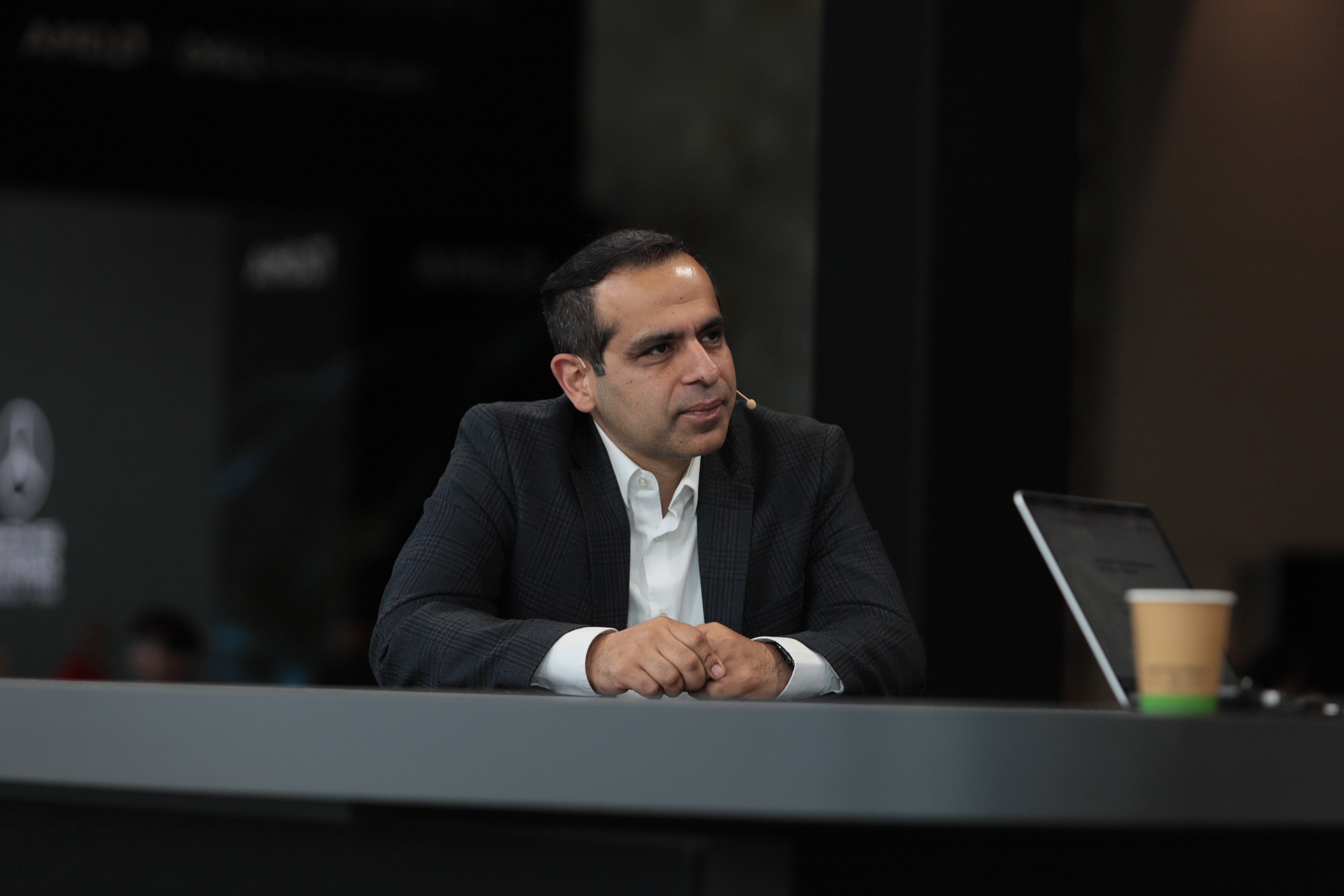
Dell modular AI infrastructure is being positioned by Dell Technologies as a way for enterprises to move generative AI projects from pilots into production without rebuilding the stack each time. Varun Chhabra, Dell’s senior vice president of product marketing and infrastructure solutions group, told SiliconANGLE’s theCUBE at AMD Advancing AI 2026 that the main blockers are token costs, data readiness, security and governance.
No pricing, customer count, revenue impact or deployment figures were disclosed in the interview. The argument from Dell is operational: enterprises that begin with small AI deployments need infrastructure that can expand in units across compute, storage, networking, GPUs and software frameworks.
Chhabra said many AI pilots work with limited users, then become harder to manage when more employees and workflows are added. He pointed to native token-based pricing as one pressure point, saying costs can become difficult to forecast as heavy users get more value from AI workflows and generate more usage.
What is Dell modular AI infrastructure?
Modular AI infrastructure means pre-integrated blocks of hardware and software that can be deployed in smaller configurations and expanded later on the same platform. In Dell’s version, that includes storage, compute, networking, GPUs, software frameworks and models that Dell says it tests and validates together.
The approach is tied to the Dell AI Platform with AMD, which Dell and Advanced Micro Devices designed for enterprises that want to start with limited AI workloads and scale without changing architectures, according to Chhabra. He said the platform uses AMD Instinct accelerators, EPYC CPUs and ROCm software, along with an open ecosystem above that layer.
Chhabra also connected the modular pitch to Dell’s broader AI Factory approach, where composable pieces of infrastructure are assembled into validated systems for AI workloads. The claim is that customers can begin small, prove value and add capacity in a more predictable way than assembling each layer separately.
Why enterprises are looking beyond cloud API use
Chhabra said inference is taking a larger share of AI compute demand, which is pushing some enterprises to consider on-premises deployments. In that model, companies generate more of their own AI tokens instead of relying only on cloud-based APIs.
That shift does not mean a single deployment model replaces the others. Chhabra said large enterprises are likely to use different infrastructure models for different workloads, depending on cost, data location, security and performance requirements.
Data is another constraint in Dell’s framing. Chhabra said enterprises need more than compute placed near corporate data. They also need governance rules and ways to feed models the right information, including retrieval-augmented generation pipelines.
Security and governance remain part of the scaling problem. Chhabra said companies must account for unintended consequences as AI systems move from small groups into wider enterprise use.
The interview took place during the AMD Advancing AI event. SiliconANGLE disclosed that theCUBE was a paid media partner for the event and said AMD and other sponsors did not have editorial control over the coverage.
This story draws on original reporting from SiliconANGLE.