Delinea runtime authorization for AI agents evaluates actions in session
Delinea has added action-level controls for AI agents, aiming to govern commands and queries after a connection is approved.
By Wei-Lin Zhao · AI Correspondent
· 3 min read
Delinea runtime authorization AI agents controls, introduced July 30, evaluate individual agent actions before they execute rather than making an access decision only when a session begins. The identity-security vendor says the feature is available through its existing platform and is meant to govern agents operating across production infrastructure, where a valid connection can still be used for an inappropriate command or query.
The release moves Delinea's access-control pitch further into agent operations. For security teams, the distinction is practical: authenticating an agent or its operator at the start of a connection answers who is entering a system; runtime authorization is intended to decide whether each subsequent action should proceed.
How does Delinea runtime authorization for AI agents work?
According to Delinea, its platform evaluates each tool call, database query and command inside an active session against policy before it runs. An organization can permit one action, block another or send a higher-risk action for human approval, according to IT Brief Australia.
A simple example is an agent allowed to connect to a production database. Under Delinea's stated model, a read query could be allowed while a destructive operation is blocked or escalated. That is different from granting broad session access and relying on logs after the agent has completed its work. The company has not provided independent evidence in the material reviewed that the approach improves security outcomes.
Delinea says the controls apply to agent connections involving databases, SSH hosts, Kubernetes clusters and cloud consoles, including systems connected through the Model Context Protocol. It also says it determines whether a connection is human-driven or agent-driven before access is granted, then applies policy for that connection type.
Credentials and audit records
The vendor says it injects credentials at the network layer only when access is needed, restricts them to the task and revokes them when the task finishes. Delinea says the agent does not receive the credential itself. That design, if implemented as described, addresses credential duration and exposure separately from action-level authorization.
Delinea also says it records actions against a named identity, either the person directing the agent or a dedicated service account. The resulting records are intended to cover tool calls, database queries and SSH commands, providing a trail for security and compliance reviews.
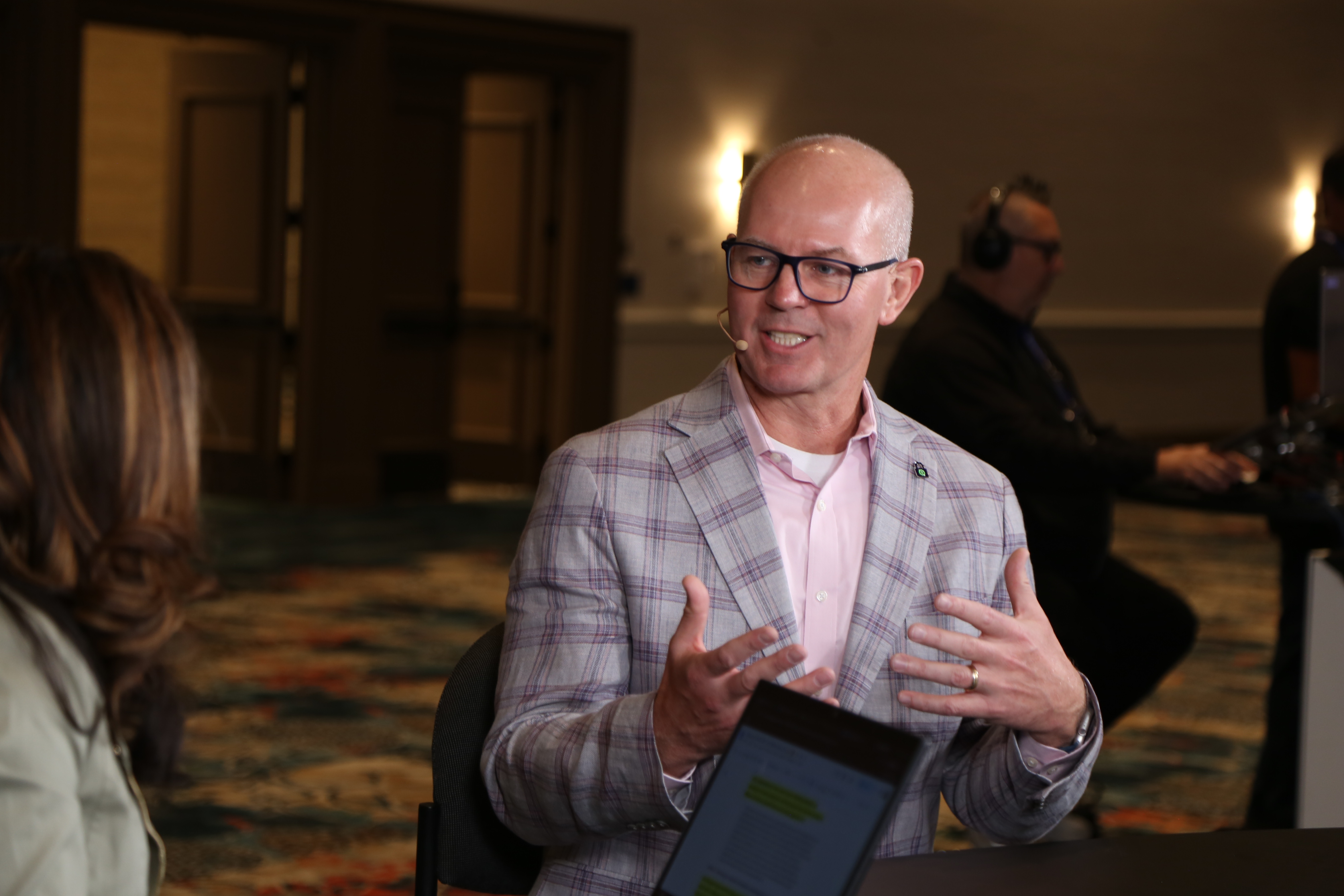
Art Gilliland, Delinea's chief executive, told SiliconANGLE that agents can create temporary identities, reach several systems and disappear after completing a task, making them difficult to address with controls designed around persistent human users. His assessment is the company's view, rather than an independent finding.
Telnyx infrastructure product manager Dhruv Kumar said the company uses Delinea and now has identity-linked action records for agents accessing production systems. That customer account supports a production-use example, but does not independently establish the product's effectiveness across deployments.
The launch reflects a narrower operational question for companies putting agents into infrastructure workflows: whether controls can inspect and govern consequential activity after access has already been granted. Delinea's answer is to place policy decisions within the session; buyers will still need to assess policy coverage, integrations and operational overhead in their own environments.
This story draws on original reporting from SiliconANGLE.