Black Hat peer review relies on expert vetting and a sponsor separation
Black Hat says its review board vets every Briefings submission, though the available material leaves key process data undisclosed.
By Dominic Okoye · Staff Writer
· 3 min read
Black Hat peer review is the cybersecurity conference’s stated mechanism for deciding which research reaches its Briefings stage: a review board of more than 100 security professionals vets every submission, while Black Hat says sponsorship does not buy a speaking slot. That distinction matters at an event where researchers present vulnerability findings and technical security work to a global industry audience.
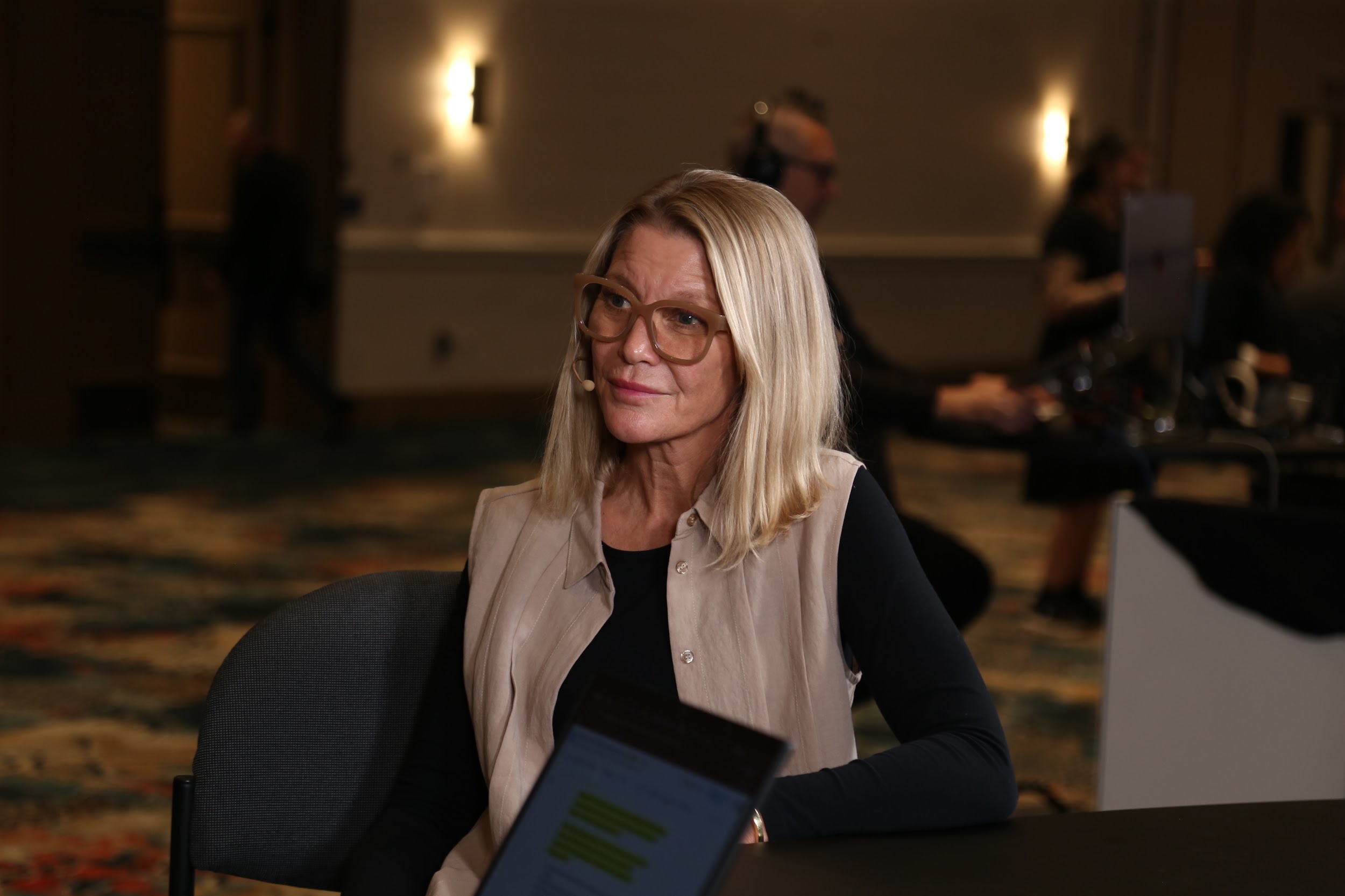
Black Hat president Suzy Pallett said in an August interview with SiliconANGLE that the event received thousands of research submissions in 2026 and that only a fraction were accepted. She described the board as independent from event organizers and said it assesses papers for authenticity and relevance before they are programmed.
Black Hat’s own description of its selection process is more specific on the stated criteria. The organization says its Review Board evaluates every event submission for uniqueness, overall content expertise and accuracy. Board members may ask researchers to clarify claims, including claims that are unusually novel or bold. Strong proposals can include academic-grade papers, proof-of-concept code or video demonstrations, according to Black Hat.
How does Black Hat peer review select Briefings?
Black Hat describes the process as expert content selection rather than formal academic publication review. The board reviews submissions before selections are made, can seek additional explanation from researchers and also advises Black Hat on conference programming and strategic direction. The company says the board includes specialists from across the information-security community.
That system can screen proposals for whether the claimed work is supported, distinctive and suitable for the program before it reaches the stage. It does not establish that every accepted finding is correct, complete or safe to apply in every environment. The cited material does not provide acceptance rates, a reviewer roster for a given event, scoring rubrics, conflict-of-interest rules, blinded-review procedures, post-event correction practices or independent measures of review accuracy.
Can sponsors buy a Black Hat Briefing?
Black Hat says no. Its policy says Briefings are selected independently on content quality and expertise rather than sponsorship, and that it does not support pay-for-play Briefings. That is a statement about the conference’s speaking program, not an assertion that the event lacks commercial activity. Black Hat operates a sponsorship program, as shown by its USA 2023 sponsor listings.
The review model has been part of Black Hat’s operations for years. A 2012 USA conference program said board members had reviewed more than 500 submissions. That figure is historical and should not be read as a measure of 2026 volume or current acceptance rates.
Pallett also told SiliconANGLE that Black Hat has combined startup contests formerly held across Asia, Europe, Canada and the U.S. into a Global Startup Spotlight. The available material does not describe that competition’s judging criteria or show whether the Briefings Review Board selects its entrants.
For founders and security teams, the practical takeaway is narrower than a blanket seal of approval: a Black Hat stage slot indicates a proposal passed the event’s stated expert-review process. The publicly cited material explains the broad safeguards, while leaving the operational detail and outcome data needed to assess their effectiveness unavailable.
This story draws on original reporting from SiliconANGLE.