Bessent says US could sanction Chinese AI model makers over IP theft
The Treasury secretary said Washington will review Chinese open-weight models, raising the prospect of direct sanctions on AI developers.
By Dominic Okoye · Staff Writer
· 3 min read
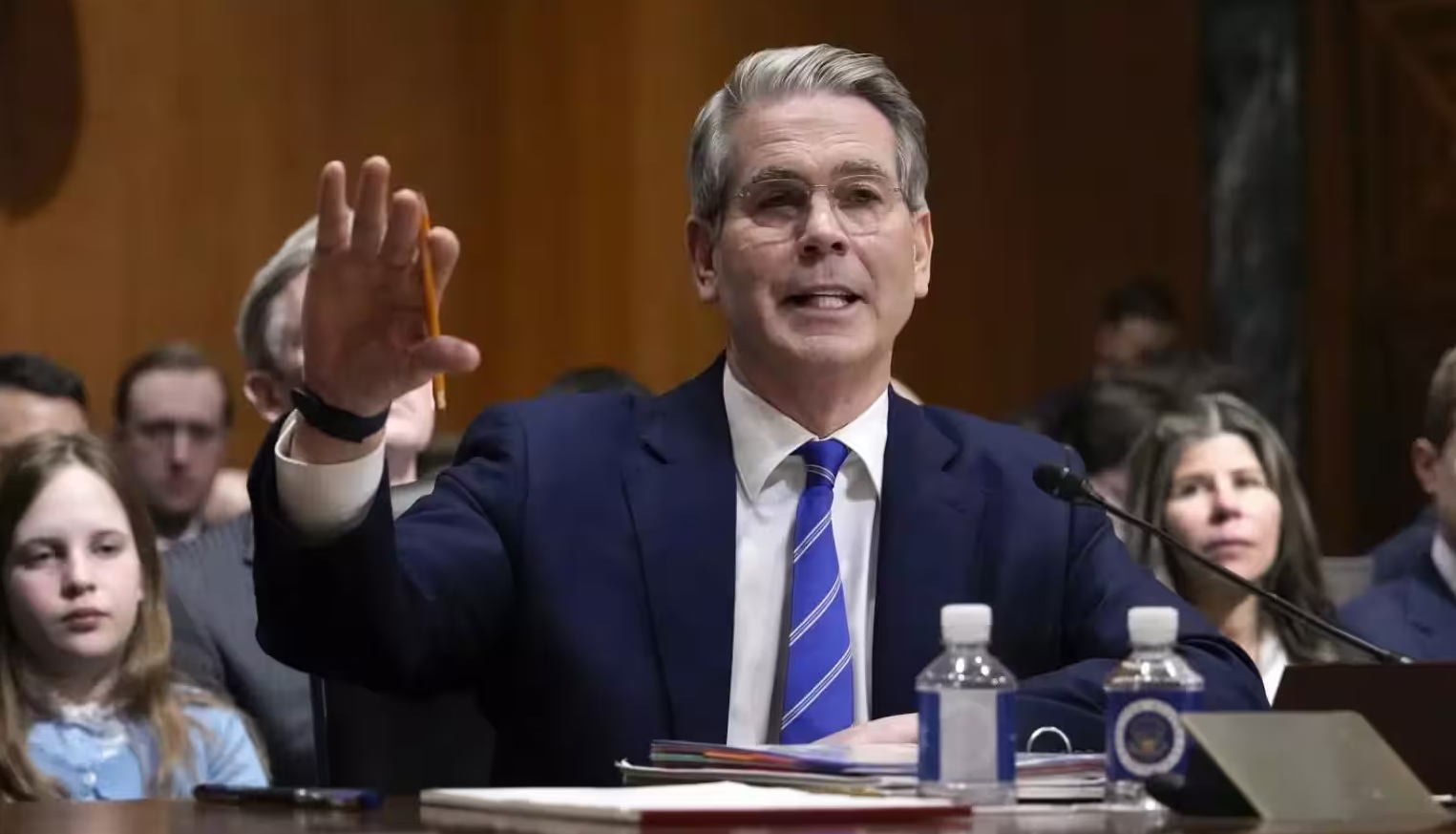
U.S. Treasury Secretary Scott Bessent said the White House will review prominent Chinese open-weight AI models for possible theft of intellectual property from leading U.S. AI labs, and could sanction companies if it finds evidence. No companies were formally named for sanctions, no timetable was disclosed, and no financial penalties were specified.
Bessent made the comments in a Fox Business interview reported by Bloomberg, framing the issue as separate from Washington’s stated support for open-source AI. He said the Trump administration backs open models but could use sanctions if overseas model developers are found to have taken technology from U.S. companies.
The warning lands as Chinese AI developers are putting more capable open-weight models into the market at prices that challenge the closed-model economics of OpenAI and Anthropic. Moonshot AI recently released Kimi K3, an open-weights model that SiliconANGLE reported as matching the performance of advanced models from OpenAI Group PBC and Anthropic PBC.
Chinese models have gained traction with some U.S. businesses because they are viewed as capable enough for many workloads and cheaper to use, partly because of their open-source distribution. For U.S. frontier labs that rely on expensive proprietary model access to support large capital raises, that shift is a commercial problem as well as a policy one.
Policy pressure shifts from chips to models
Washington has already used export controls to limit China’s access to advanced AI processors. Sanctions aimed at Chinese model makers would move the conflict further up the stack, from compute supply to the software layer where developers, cloud providers and enterprise buyers make deployment decisions.
Axios reported Monday that the Trump administration had considered a broader ban on open-source models from China. Officials later moved away from that report, according to SiliconANGLE. Bessent’s comments point to a narrower route: investigate specific models and impose sanctions where the administration believes IP theft occurred.
OpenAI and Anthropic have both raised concerns in recent months that foreign rivals are collecting large amounts of output from their models to train competing systems, including open-source releases. In April, the White House said it would work with those companies to address the alleged theft.
The distillation fight is messy
The core technical allegation centers on model distillation, a method used to transfer capabilities from a larger model into a smaller one. The practice is common among U.S. companies building more efficient versions of their own systems, and there is disagreement over when it becomes infringement or breach of terms rather than ordinary competitive learning.
Microsoft Chief Executive Satya Nadella has criticized the stance taken by some U.S. model providers. In a post on X last month, he argued that companies claiming fair-use rights to train on public data are being inconsistent when they then try to impose tight limits on distillation.
The U.S. labs making those complaints also face their own copyright fights. Anthropic recently agreed to a $1.5 billion settlement with authors after a judge ruled that the company had illegally downloaded and stored millions of copyrighted books used to train its models. OpenAI remains in litigation with The New York Times, which sued in 2023 alleging that OpenAI trained models on its content without permission.
Any U.S. action could be overtaken by controls from Beijing. Reuters reported earlier this month that Chinese officials are considering limits on foreign access to China’s most advanced AI models in response to similar moves by the White House.
This story draws on original reporting from SiliconANGLE.