AMD pitches open rack-scale AI systems as enterprises rethink AI compute
AMD executive Derek Dicker said enterprise AI demand is shifting from stand-alone GPUs toward integrated CPU, GPU, networking and orchestration systems.
By Dominic Okoye · Staff Writer
· 3 min read
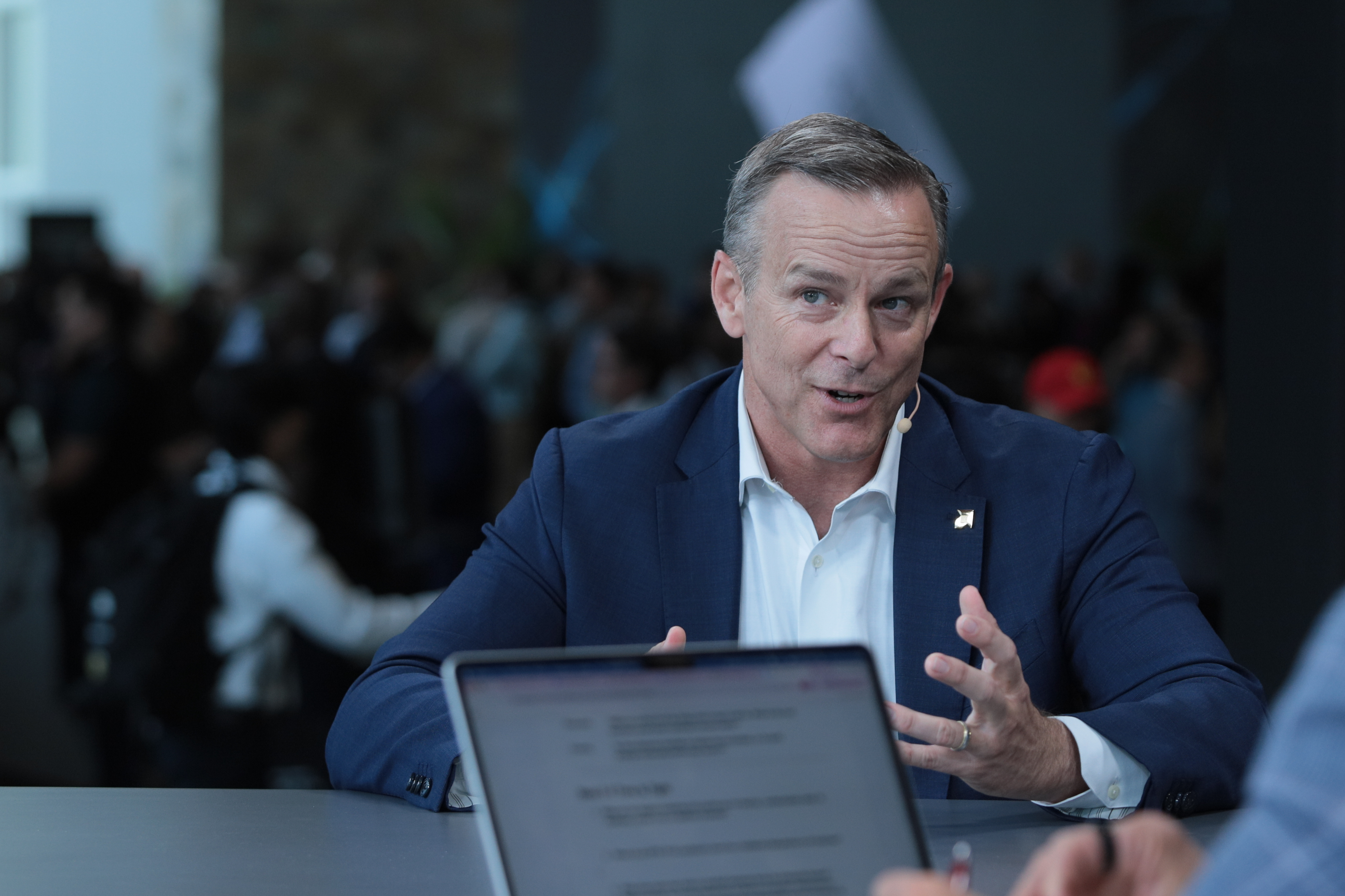
AMD is positioning open rack-scale infrastructure as the next enterprise AI battleground, with Derek Dicker, corporate vice president of the company’s enterprise business group, saying customers are asking for integrated systems rather than discrete chips. The company did not disclose pricing, revenue, customer counts or deployment volumes for the effort.
Dicker, speaking during SiliconANGLE’s theCUBE coverage of AMD Advancing AI 2026, said enterprise demand is being shaped by data center modernization, choice in silicon and the cost of running AI workloads at token scale. His argument is straightforward: as AI deployments move beyond early pilots, the buying center shifts from accelerator selection to system economics across compute, storage, networking and data pipelines.
That framing is useful for AMD, which is still competing against Nvidia’s dominant AI platform position. AMD’s pitch is that agentic AI workloads will not be served by GPUs alone. Dicker said the spread of agentic systems has made CPU performance a larger part of the workload mix, and that AMD’s CPU roadmap has been built with that direction in mind.
AMD pushes a rack-level reference model
The concrete product point in Dicker’s comments was Helios, AMD’s rack-scale reference platform. According to Dicker, the system combines 72 GPUs, high-performance networking and CPU orchestration in a single rack-scale design.
AMD has published an open specification tied to the design and says it is working with software providers, channel partners and system integrators rather than building full systems that would put it in direct conflict with those customers. Dicker described AMD’s role as helping assemble technology from its own portfolio and partners around enterprise use cases.
The open-system pitch is partly a go-to-market strategy and partly a response to procurement risk. Enterprises that spent the first phase of generative AI trying to secure scarce accelerator capacity are now weighing lock-in, operating cost and where AI workloads should run. Dicker said customers are asking for options to host AI on their own infrastructure and, in some cases, within national borders.
That sovereign and on-premises demand is appearing in sectors including healthcare and telecommunications, according to Dicker. He said countries are increasingly treating AI infrastructure as a national resource, which supports AMD’s argument for multiple hardware and deployment paths.
What AMD did not say
The discussion did not include sales figures for Helios, named enterprise customers, total cost comparisons or benchmark data against rival systems. It also did not quantify the token-cost savings AMD says enterprises are focused on.
That leaves AMD’s claims in familiar territory for the AI infrastructure market: strategically plausible, but short on public operating metrics. The industry is moving toward rack-scale systems because large AI deployments require tighter coordination among accelerators, CPUs, networking and software. The unresolved question for buyers is whether an open specification and partner-led model can match the execution advantages of more vertically controlled stacks.
SiliconANGLE disclosed that theCUBE was a paid media partner for the AMD Advancing AI event and said AMD and other sponsors did not have editorial control over the coverage.
This story draws on original reporting from SiliconANGLE.