AMD pitches EPYC Venice for agentic AI cloud workloads
AMD executive Steve Berg said agentic AI is lifting demand for GPUs and high-core CPUs, with Venice EPYC aimed at cloud and hybrid infrastructure.
By Colin Brandt · Enterprise Reporter
· 3 min read
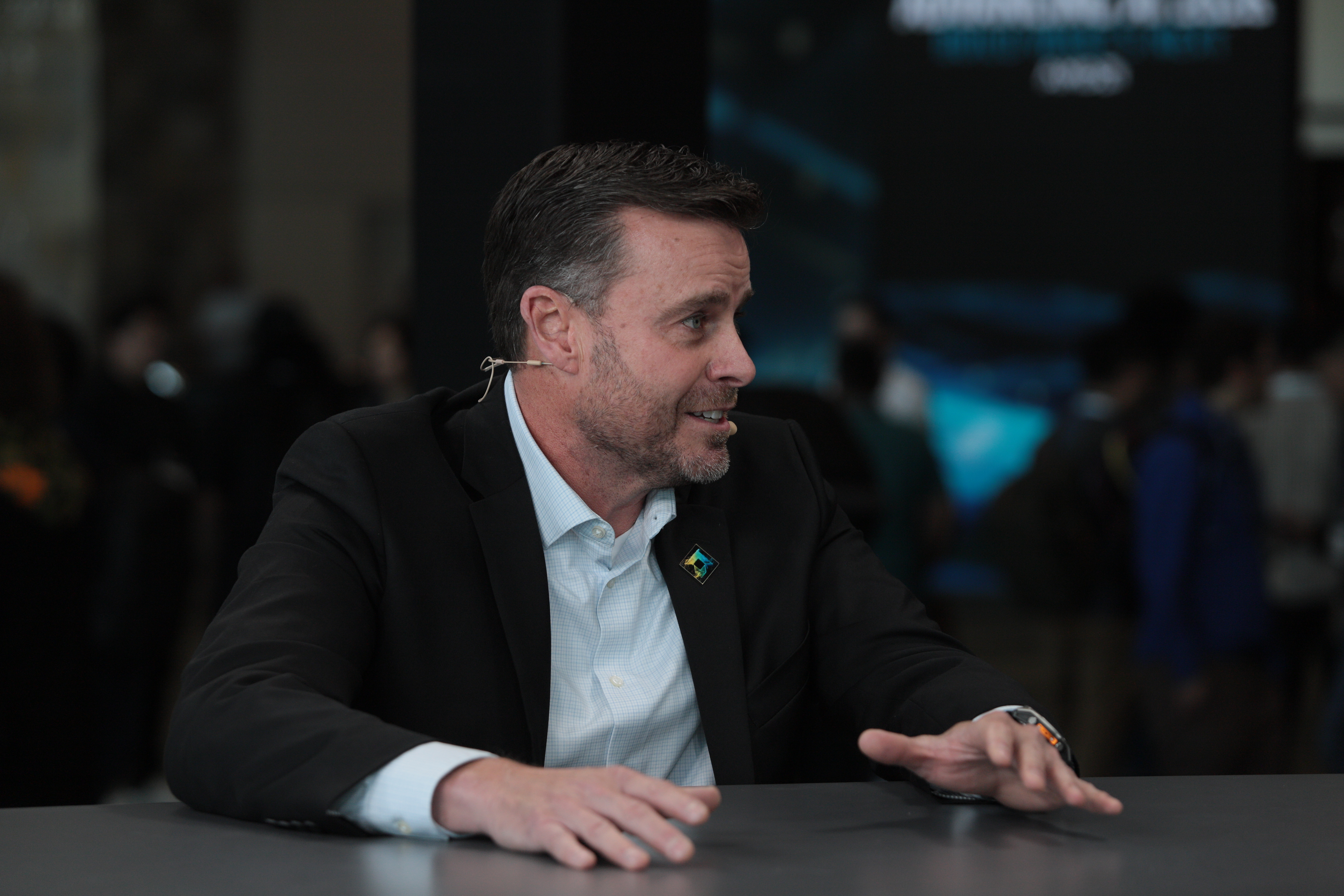
Advanced Micro Devices is framing agentic AI as a near-term demand driver for both GPUs and high-core-count server CPUs, as cloud providers and enterprises redesign infrastructure for autonomous AI workloads. The company did not announce a new financing round or customer contract, but AMD executive Steve Berg said the shift is already changing buying criteria across cloud and hybrid deployments.
Berg, corporate vice president and general manager of AMD’s server CPU Cloud Business Group, made the comments during an interview with SiliconANGLE’s theCUBE at AMD Advancing AI 2026. TheCUBE disclosed that it was a paid media partner for the AMD event and said AMD did not control its editorial coverage.
According to Berg, the rise of agentic AI over the past 18 months has put GPUs back at the center of infrastructure planning. He said the workload also expands the role of CPUs, because AI agents require supporting compute for orchestration, storage, high-performance computing and inference rather than a single accelerator profile.
AMD’s cloud pitch remains cost and openness
AMD is presenting the AI buildout as a continuation of its cloud strategy, where Berg said product cadence and performance per dollar have helped the company win deployments with major providers. He described cloud purchases as a total cost of ownership decision, not a benchmark contest.
Berg said AMD is targeting nearly 50% of the cloud GPU market on a revenue basis by the end of the year. The company did not provide supporting revenue figures, unit shipment numbers or named customer wins in the interview, so the claim should be read as AMD’s stated target rather than a reported market result.
The company is also using openness as a competitive argument. Berg said enterprises running workloads in public cloud want software and operating models that can move between cloud and on-premises environments without being tied to a single vendor stack. That positioning is pointed at a market where hyperscalers are increasingly designing their own silicon, while still buying large volumes of merchant GPUs and CPUs.
A Technavio forecast cited in the discussion projects the broader data center GPU market to grow at a 15.8% compound annual rate through 2030. AMD’s bet is that a meaningful share of that growth will go to suppliers that can support heterogeneous infrastructure and avoid the lock-in concerns Berg described.
Venice EPYC is aimed at mixed AI infrastructure
AMD’s next major CPU in this strategy is EPYC “Venice,” which Berg said will offer up to 256 cores and a claimed 1.7 times performance improvement. He positioned the processor for agentic AI environments where customers need dense general-purpose compute alongside accelerators.
Berg called Venice AMD’s strongest EPYC processor for agentic workloads, but the company did not provide pricing, launch timing in the interview, or independent benchmark data. He also said memory availability remains the main supply constraint affecting how quickly AMD can ship into demand.
The broader signal is that AMD sees the AI infrastructure cycle expanding beyond front-end GPU clusters. If agentic AI deployments move further into production, cloud providers will need more balanced systems with accelerators, CPUs, memory and storage tuned together. AMD’s opportunity is to sell into more of that stack, provided its performance-per-dollar claims hold up under customer workloads.
This story draws on original reporting from SiliconANGLE.