Alphabet shares fall as AI capex forecast rises to $205 billion
Alphabet beat Q2 revenue expectations, but a higher AI infrastructure budget and an earnings miss pushed shares lower after hours.
By Wei-Lin Zhao · AI Correspondent
· 3 min read
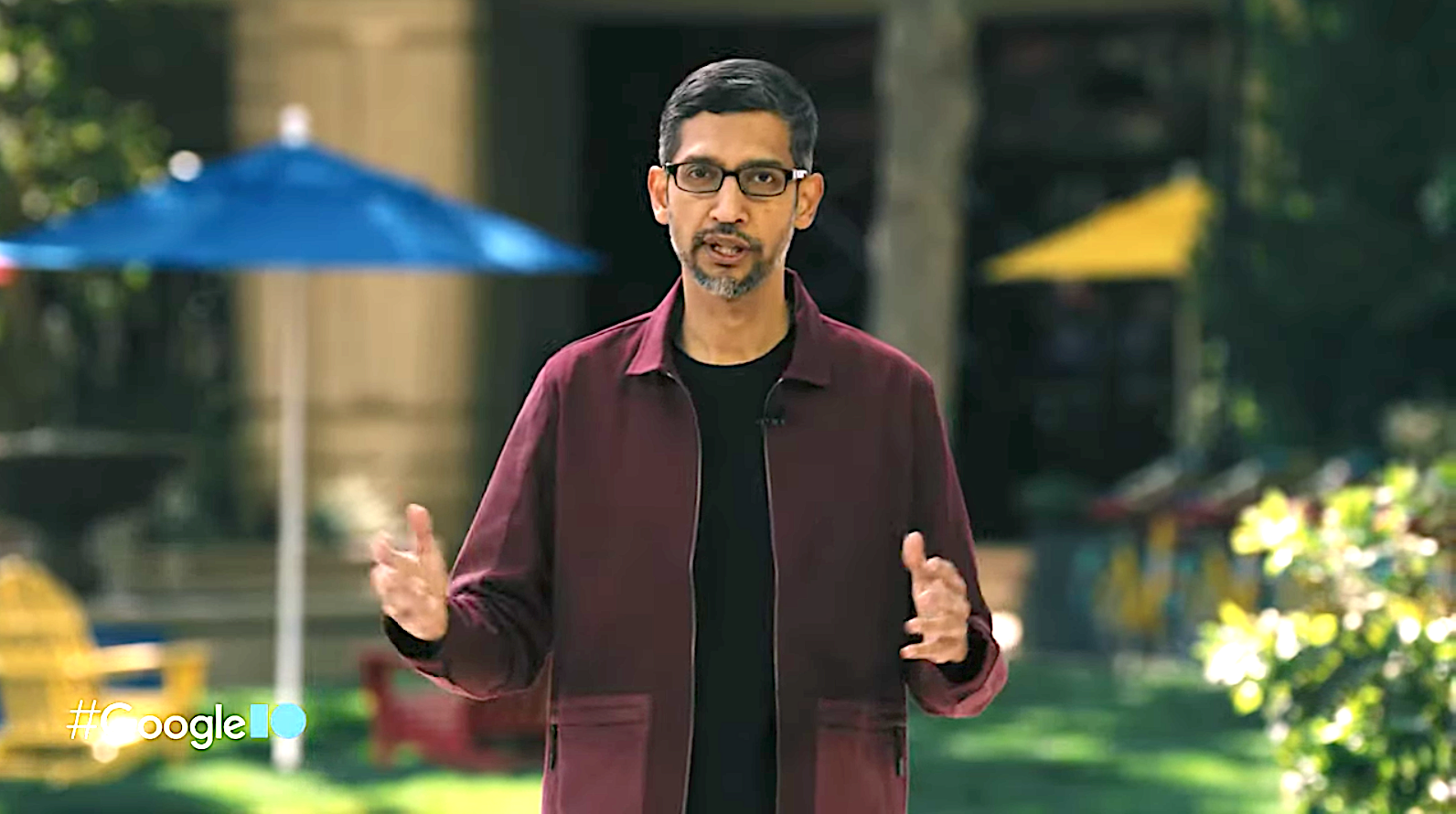
Alphabet raised its 2026 capital expenditure forecast to $195 billion to $205 billion as it spends more on AI infrastructure, sending shares down more than 2% in extended trading despite a revenue beat. The Google parent reported second-quarter revenue of $119.8 billion, up 24% year over year and above Wall Street’s $116.93 billion estimate, while adjusted earnings of $2.85 per share missed the $2.89 consensus.
The new capex range is a step up from the $180 billion to $190 billion forecast Alphabet gave last quarter. Chief Executive Sundar Pichai told analysts the company spent $44.9 billion on capital expenditures in the quarter, roughly in line with the $44.8 billion analysts expected.
The message to investors was familiar: demand for AI compute is still outrunning supply, and Alphabet is willing to keep spending to add capacity. Chief Financial Officer Anat Ashkenazi said on the earnings call that the company remains supply constrained and is seeing strong demand from both external cloud customers and internal Alphabet businesses.
Google Cloud is growing, with a cost
Google Cloud posted $22.4 billion in revenue, up 64% from a year earlier, and Alphabet said the unit’s order backlog reached $514 billion. In the prior quarter, Google Cloud passed $20 billion in revenue for the first time. Alphabet did not disclose how much of the new backlog is tied directly to AI workloads.
Ashkenazi said Alphabet plans to use third-party cloud capacity in the third quarter as a temporary measure while it builds more of its own infrastructure. She said the approach should help the company keep adding customers, while also causing modest near-term margin pressure.
Alphabet had already signaled that it was willing to rent capacity outside its own data center footprint. CNBC reported in June that Google agreed to pay SpaceX $920 million a month to rent GPUs for AI model workloads. Microsoft has also used outside cloud providers including CoreWeave and Nebius Group. Shares of CoreWeave and Nebius rose 4% and 5%, respectively, in extended trading after Ashkenazi’s comments.
Pichai said some large cloud customers are creating an unusual amount of incremental demand. He told analysts that near-term costs could be high over several months, while arguing that the full customer deals are expected to produce strong returns once more capacity is available.
Search looks less clean than cloud
The cloud performance was partly offset by Google Search revenue of $63.3 billion, just under Wall Street’s $63.4 billion expectation. Ashkenazi told analysts that third-quarter comparisons will become tougher because Google will be lapping a period of stronger search performance from a year earlier. She also said Google is benefiting from AI-related changes to search for users and advertisers.
YouTube advertising revenue was a cleaner beat, rising 13% to about $11.06 billion, ahead of the $10.81 billion analysts expected. Alphabet’s Other Bets segment, which includes Waymo and Verily, reported $382 million in second-quarter revenue, up 2.4% from a year earlier.
Pichai also gave new metrics for Gemini, saying the app now has more than 950 million monthly active users and processes 22 billion tokens per minute. He said Google is testing Gemini 3.5 Pro and already putting compute into Gemini 4 as it competes with Anthropic and OpenAI at the frontier model level. Alphabet has not said what Gemini revenue is, or how much of its AI usage is paid versus free consumption.
Investing.com analyst Thomas Monteiro told SiliconANGLE that the higher capex plan is hard for some Alphabet investors to absorb as rates rise and AI infrastructure remains tight. He also said Google Cloud’s revenue performance shows the spending is converting into fast-growing, profitable revenue, leaving the market to judge whether returns can keep outpacing funding costs.
This story draws on original reporting from SiliconANGLE.