AI mainframe modernization shifts from replacement to retention
Anthropic, IBM, AWS and others are pitching AI tools for COBOL work, but analysts warn migrations still fail when strategy is weak.
By Wei-Lin Zhao · AI Correspondent
· 4 min read
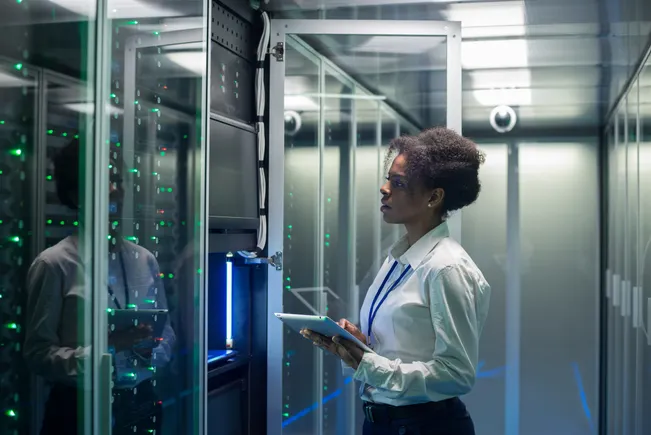
AI mainframe modernization is moving from a straight migration pitch to a more mixed enterprise strategy: use AI to document, translate and test legacy code, while often keeping core workloads on the mainframe. Anthropic put the issue back in focus in February when it said Claude Code could be used for COBOL modernization, a claim that pressured IBM shares and triggered a wider debate over whether AI helps companies leave mainframes or makes it easier to keep them.
The stakes are not theoretical for banks, insurers and public agencies. IBM says COBOL still supports more than 40% of online banking systems, 80% of in-person credit card transactions and 95% of ATM transactions. IBM is a mainframe vendor, but those figures explain why CIOs treat replacement projects as high-risk programs rather than routine software upgrades.
How is AI changing mainframe modernization?
AI can help teams identify what old applications do, generate documentation, create test cases and translate legacy code into languages such as Java or Python. It does not remove the hard decisions about cost, business process change, retraining, risk tolerance or where the application should run after modernization.
Anthropic has claimed Claude Code can support COBOL modernization for systems of any size. Mitch Ashley, VP and practice lead of software lifecycle engineering at The Futurum Group, told CIO Dive that Anthropic faces a trust gap with enterprises and competition from established vendors including IBM and AWS. He described the idea that Anthropic could handle all COBOL modernization without concern as unrealistic.
Gartner is also warning buyers not to overestimate the technology. The firm said in June that more than 70% of mainframe migrations started this year will fail because technology leaders expect too much from generative AI in legacy transformation. Gartner VP Analyst Matt Brasier said modernization remains more of a business problem than a technical one, because leaders still have to justify the spend and the organizational change.
IBM has been building AI capabilities around its own mainframe franchise. IBM Bob, an AI coding assistant for code modernization, became generally available in April. The company also released a private preview of IBM Bob Premium Package for Z for enterprise mainframe applications. In 2025, IBM brought the Spyre Accelerator chip to IBM Z mainframes for AI inference, and in April it announced an Arm partnership for dual-architecture hardware intended to run AI and data-heavy workloads without requiring code rewrites.
Other vendors are also positioning around the budget. Unisys partners with AWS on AI-assisted application modernization services. Microsoft added agentic AI to Azure Migrate last fall for broader legacy migration work. The North Carolina Division of Motor Vehicles selected Kyndryl this year to replace five COBOL-based systems and move to a cloud-native platform on Microsoft Azure under an $84.8 million contract covering implementation, training and data migration.
Large enterprises with enough internal engineering capacity are building their own tools. Morgan Stanley has used its DevGen.AI platform to modernize more than 17 million lines of COBOL, Software AG Natural and PERL code into languages including Java and Python, according to Trevor Brosnan, the bank’s global head of technology strategy, architecture and modernization. Brosnan said the platform has saved more than 1 million hours of manual coding and reduced some coding tasks from a week to half a day, while keeping human oversight in place.
The vendor caveat is destination bias. Brasier said IBM’s tools are oriented toward IBM’s newer Java-based stack, while AWS tools point customers toward AWS cloud-native and serverless services. For CIOs, that means AI may reduce some labor in modernization, but it can also pull architecture decisions toward the vendor providing the tooling.
Steven Dickens, CEO of HyperFRAME Research, has argued that AI is making the mainframe more durable by letting companies bring AI closer to mainframe data instead of forcing a platform exit. Brian Klingbeil, EVP and chief strategy officer at Ensono, made a similar point in a blog post, saying AI tools that can read COBOL make it easier for enterprises to stay on mainframes rather than leave them.
This story draws on original reporting from CIO Dive.