Cities challenge FCC proposal to override local broadband permit rules
Local-government groups are contesting an FCC proposal that would set a 120-day permit benchmark and limit right-of-way fees for wireline networks.
By Dominic Okoye · Staff Writer
· 3 min read

Local-government groups across the U.S. are opposing the FCC’s proposed local broadband rules for wireline infrastructure, arguing that a federal framework could restrict how cities and counties manage construction in public rights-of-way. The Federal Communications Commission adopted the notice of proposed rulemaking on June 25, not a final rule, after providers and industry groups argued that delays, fees and inconsistent local processes can increase deployment costs or stop projects.
The proceeding, WC Docket No. 25-253, concerns fiber and other wireline telecommunications facilities, including some related infrastructure. It does not finalize a broad rollback of all local broadband regulation, and it is separate from a pending FCC proceeding involving wireless infrastructure.
What would the FCC’s local broadband rules change?
- Permit timing: The FCC proposes a 120-day benchmark for state and local authorizations involving use of public rights-of-way. Missing that timeline would create a rebuttable presumption that a locality has effectively prohibited wireline telecommunications service under Section 253 of the Communications Act. California Cities says the proposal would not automatically approve a permit.
- Fees: Charges for rights-of-way authorizations would be limited to a reasonable approximation of a government’s actual, direct management costs. The agency is also considering national fee levels that would be presumed compliant.
- Permit conditions: The proposal could limit in-kind compensation and treat some non-monetary requirements as compensation subject to the federal standard. That could put conditions concerning road, curb, sidewalk and accessibility restoration under scrutiny.
Section 253 bars state and local requirements that prohibit, or effectively prohibit, an entity from providing interstate or intrastate telecommunications service. The FCC is relying on that provision to propose preemption where it concludes local practices obstruct wireline deployment.
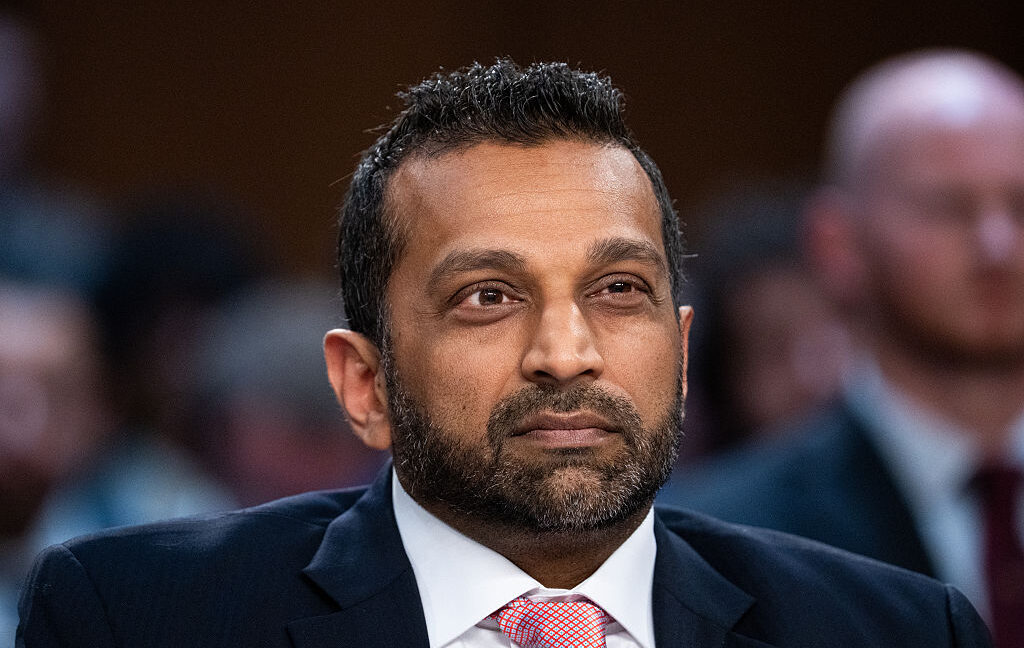
Chairman Brendan Carr has said extended reviews, high fees and unpredictable permitting can delay projects for months or years and deter network investment, according to Broadband Breakfast. ACA Connects and the Wireless Infrastructure Association praised the proposal, that report said.
Why are cities and counties objecting?
The U.S. Conference of Mayors, National Association of Counties, National League of Cities and National Association of Telecommunications Officers and Advisors told the FCC that permitting coordinates work in shared public rights-of-way and serves public-safety purposes. The groups argue that construction review can involve utilities, traffic management, inspections and restoration of public infrastructure.
California Cities says limiting cost recovery could shift some deployment-related expenses to taxpayers. It also warns that a clock beginning with an initial filing or pre-application step, rather than a complete application, could make reviews harder to administer. The Association of Washington Cities has similarly flagged the proposal’s possible application to facilities outside rights-of-way, including fiber huts.
Local-government groups have also urged the commission to address provider conduct after permits are issued. In a filing reported by Ars Technica, the municipal organizations said providers can delay buildouts or hold permits and pole space in ways that constrain competing projects. NACo says it supports measures that require providers to follow through on commitments in unserved and rural areas.
The legal fight centers on whether Section 253 permits broad, rule-based preemption. The League of California Cities argues Congress has not clearly authorized the FCC to displace traditional state and local authority over public property, construction, safety and permitting. FCC Commissioner Anna Gomez also questioned whether the statute supports blanket rules rather than case-by-case decisions. If the agency adopts a final rule, state and local governments could challenge it in court.
Initial comments in the docket were due September 21, 2026. Reply comments are due November 5, 2026.
This story draws on original reporting from Ars Technica.