ExxonMobil filings add evidence in Massachusetts climate deception case
Newly released records cite internal doubts about algae biofuel and carbon capture as Massachusetts pursues consumer and investor claims.
By Dominic Okoye · Staff Writer
· 3 min read
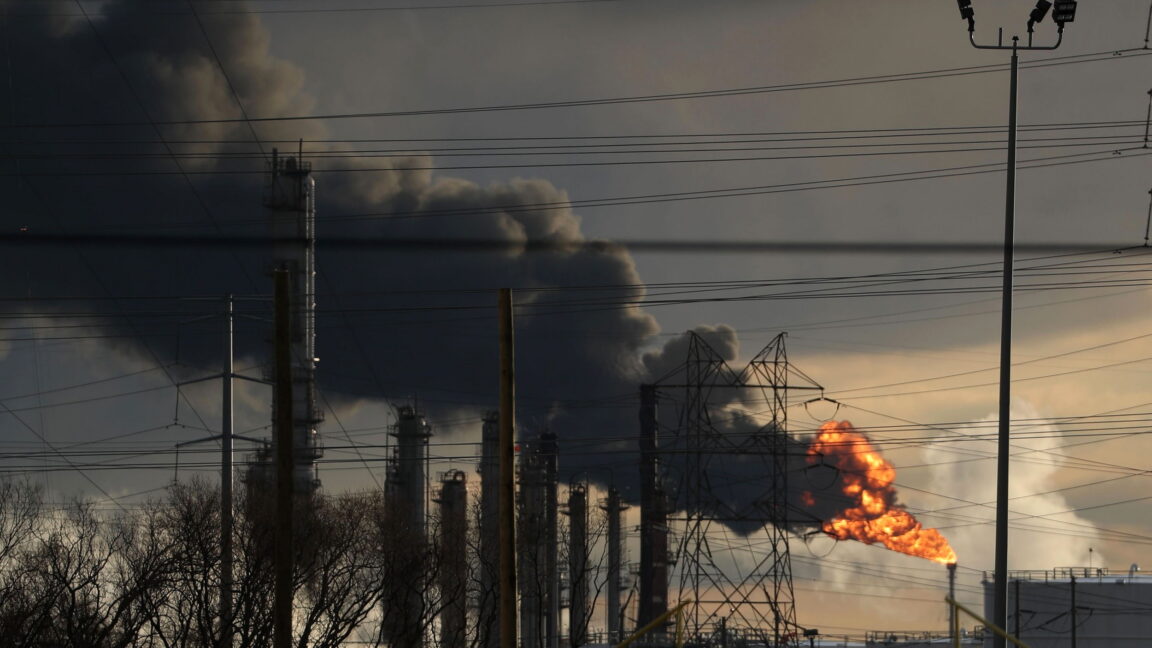
Newly released records in the ExxonMobil climate deception case in Massachusetts include internal warnings about climate policy risk, testimony challenging a public algae-biofuel target, and material outlining limits to carbon capture at scale. The documents were submitted amid a dispute over whether ExxonMobil must produce more records and testimony in the unresolved case, which Massachusetts filed in 2019.
The state alleges ExxonMobil misled Massachusetts consumers and investors by portraying itself as acting to limit global warming when its efforts were largely public relations rather than substantive action. Massachusetts is seeking civil fines and an injunction against the practices it alleges. The filings add evidence for that legal theory; they do not establish liability.
ExxonMobil did not respond to requests for comment on the newly disclosed material, according to Inside Climate News and Ars Technica. In an annual securities filing, the company said the lawsuits' legal and factual theories are meritless and improperly seek to make courts perform policymakers' role in addressing climate change.
What do the ExxonMobil climate deception case filings show?
One record is a 1988 memo from Frank Sprow, then in Exxon's corporate research department. He warned colleagues that a global agreement that required action on greenhouse-gas effects could have substantial negative consequences for Exxon. The memo addresses the potential business consequences of climate policy, rather than proving the state’s allegations about the company’s public statements.
The filings also quote deposition testimony from an Exxon scientist who worked on the company’s algae-biofuel program. Exxon said in a 2018 release that it expected algae biofuel output could reach 10,000 barrels a day by 2025. The scientist testified that the target was impossible to meet and that he had told colleagues so before the release was issued. He also described a development Exxon had presented publicly as a breakthrough as a dead end, according to the reporting.
Exxon subsequently ended its algae-biofuel research. The record described in the filings places that program alongside the company’s continued promotion of carbon capture and storage, technology intended to capture carbon dioxide before it reaches the atmosphere and store it underground.
A 2014 Exxon presentation on carbon capture identified barriers to commercial deployment, including high costs, a need for very large investment, no market-based incentives and storage volumes comparable to current oil and gas production. A different company scientist later questioned Exxon's claim to be a carbon-capture leader, saying its operations were mainly in gas processing rather than the power-plant and industrial applications being promoted.
Why is ExxonMobil’s internal climate research relevant?
The new records arrive against a longer record of scrutiny over what Exxon knew internally about warming. A 2023 Science analysis by Harvard-led researchers examined Exxon climate projections made between 1977 and 2003 and found that 63% to 83% were consistent with later observed temperatures, depending on the measure used. The researchers reported that the company’s projections put warming at about 0.20 degrees Celsius per decade, plus or minus 0.04 degrees.
That research concerns the quality of historical internal forecasts. It does not decide whether ExxonMobil deceived Massachusetts consumers or investors, which remains the question before the state court.
This story draws on original reporting from Ars Technica.