Recent tech outages were separate technical failures, officials say
U.S. officials found no evidence of a coordinated attack, while AI-found flaws are increasing pressure to patch critical systems.
By Colin Brandt · Enterprise Reporter
· 3 min read
Recent tech outages AI bugs have become part of the same public conversation, but the evidence points to two different problems. U.S. officials said the cluster of disruptions at technology companies, airlines, banks and government systems was not interconnected or a systemic cyberattack, while AI-assisted research is separately uncovering serious flaws that can force organizations into urgent patching. The distinction matters for operators: an accelerated vulnerability pipeline can add change-management pressure without explaining any particular outage.
According to the BBC, U.S. Secretary of State Marco Rubio said the incidents were unrelated. SiliconANGLE separately reported that U.S. authorities did not believe recent disruptions at federal agencies and large technology companies were caused by cyberattacks. The reports do not establish a shared trigger among the outages.
Are the recent tech outages linked to a cyberattack?
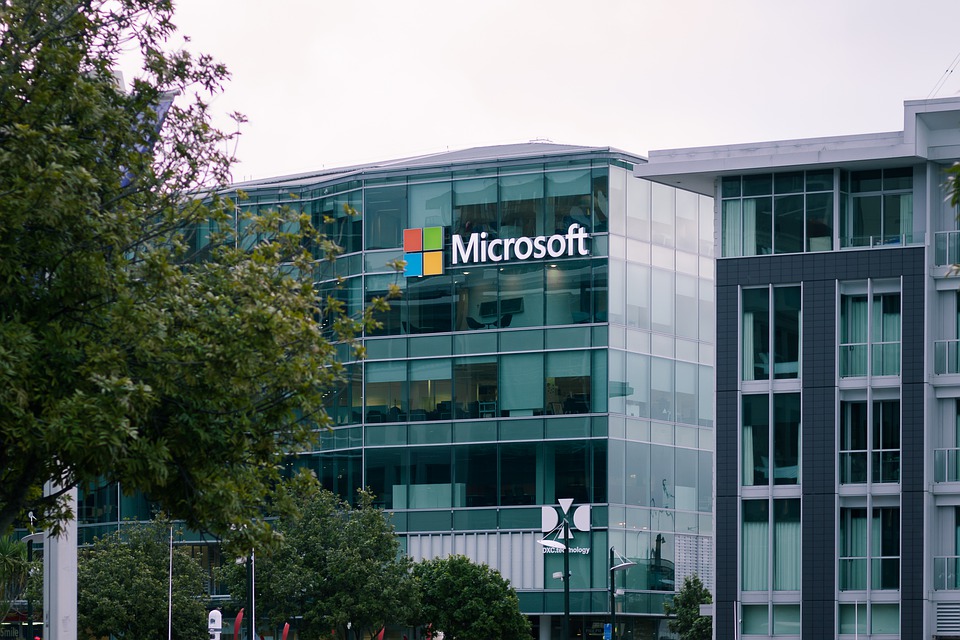
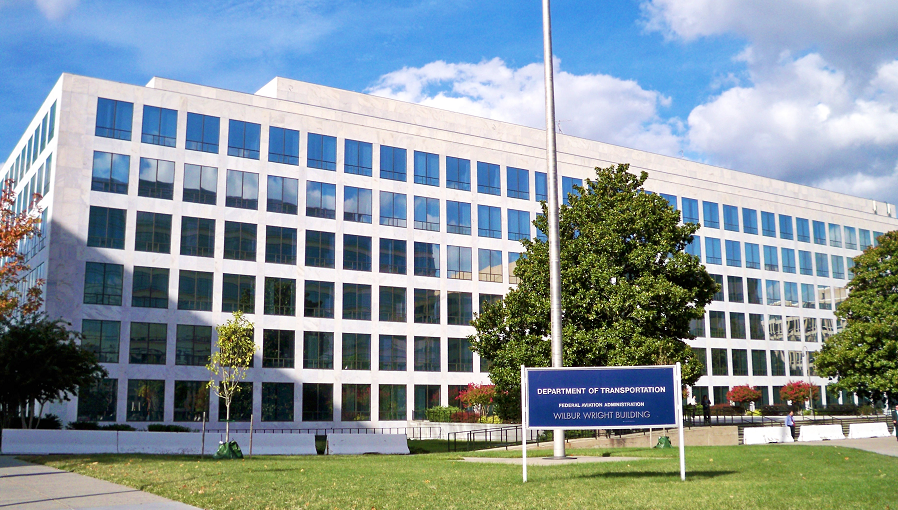
No evidence in the reporting shows that they were. The BBC reported that a Microsoft network upgrade overloaded servers and caused them to shut down. It said upgrades to an aging U.S. air-traffic network were involved in flight disruption while engineers replaced copper wiring with fibre. Problems affecting the NSA's internal communications system, and separate Apple iCloud and Apple Pay issues, were attributed to trouble during updates. JP Morgan Chase attributed payment disruption to a software bug and said it was not a cybersecurity incident.
Those immediate explanations are operational, not evidence of a coordinated intrusion. They also illustrate a familiar problem for enterprise IT: changes to production systems, including necessary upgrades, carry risk when dependencies are complex or poorly understood.
How AI-discovered flaws create a separate operational risk
AI's role is clearer in vulnerability discovery. Reuters reported on Oct. 21 that critical flaws in PHP, a widely used programming language, prompted government websites in Europe and elsewhere to go offline while operators protected systems and prepared fixes. PHP developers released urgent updates, and cybersecurity agencies advised users to patch immediately or take sites offline until they could do so.
Reuters reported that cybersecurity firms Calif and Wiz said AI-assisted research helped identify the PHP flaws. Wiz said its work used its own automated research tool along with Google and OpenAI models, a company account reported by Reuters rather than an independent finding. Reuters also cited Censys data estimating that about 1.5 million of 2.6 million observed hosts reported a PHP version without an available fix.
The risk is the response cycle. Faster discovery can mean more urgent patches, testing and deployments across systems that may contain legacy components or dependencies an organization has not fully mapped. The BBC described technical debt as the accumulation of quick fixes instead of work on underlying problems, which can produce more serious failures later. It presented increased update activity as a possible contributor to outage risk, not a demonstrated cause of the recent cluster.
For security and platform teams, the practical issue is knowing where a vulnerable component runs, validating a patch before broad deployment, and having a fallback if the change fails. Those tasks sit within an enterprise security program, alongside detection and recovery planning. The recent reports show that urgent remediation and service reliability must be managed together, particularly where organizations depend on a small set of major infrastructure providers and common software components.
This story draws on original reporting from SiliconANGLE.