Anne Boden builds Lockwood bank for controlled AI agent payments
Starling founder Anne Boden is backing Lockwood, a planned current-account bank where customers set limits for AI agent payments.
By Marcus Adeyemi · Startups Editor
· 3 min read
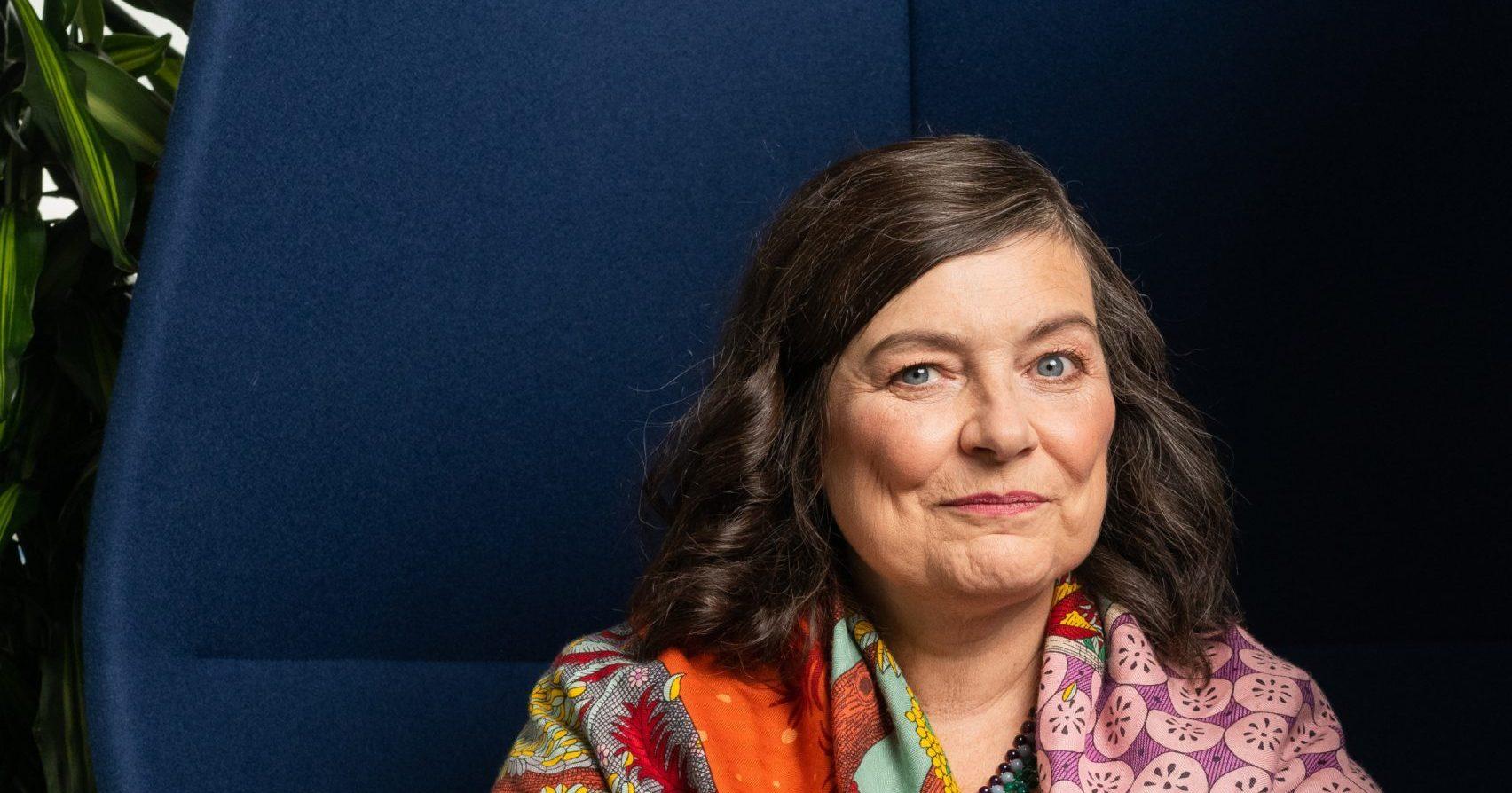
Anne Boden, Starling’s founder, is building Lockwood, a planned current-account bank intended to let customers authorize AI agents to shop and make payments within customer-set limits. The Anne Boden Lockwood bank project would put controls around agent-driven transactions, an approach that enters a market where major UK banks have been wary of giving agents account access because of unauthorized-payment concerns, according to The Times.
Sifted reported on November 15 that Boden was investing proceeds from sales of her Starling shares in the new venture. The available reporting does not establish Lockwood’s investment total, bank licence or regulatory status, launch timing, operating geography, or whether it is accepting customers.
Boden founded Starling in 2014 and stepped down as its chief executive in 2023. The Times reported that she sold the remainder of her near-5% Starling holding in October at an undisclosed valuation, ending her remaining connection to the company. It said some proceeds from those share sales were being put into Lockwood, and estimated the proceeds could be worth about £170 million. That figure is not a confirmed Lockwood investment amount.
How would Lockwood limit AI agent payments?
The proposed model is based on permissions chosen by the account holder. Boden told The Times that a customer could allow an agent to buy groceries while setting a monthly ceiling of £100. A request to spend £200 a month on fuel would fall outside those parameters and be rejected.
An AI agent in this context is software authorized to take actions for a user, such as making purchases or paying bills. Lockwood’s LinkedIn description says its planned account would permit trusted agents to shop and pay only within limits set and controlled by the customer. Those are proposed product features, not evidence of a live service.
Boden told The Times that Lockwood would be “built by agents,” serve customers using agents and be “defended by agents.” She also said AI agents helped choose the Lockwood name. The reporting does not establish how the bank would implement that design or what security, authentication, fraud and customer-recourse systems it would use.
What products would Lockwood offer?
Boden said Lockwood would provide a conventional current account, while not offering lending or savings products. That narrows its stated initial product plan to transaction accounts rather than credit or deposit-savings offerings.
For fintech operators, the unresolved questions are substantial. The available reporting does not establish Lockwood’s authorisation path, leadership team, technology partners, commercial terms, liability rules for improper agent transactions, or safeguards beyond the customer-set spending controls described by Boden. Those details will determine whether the proposal becomes a regulated consumer product rather than an early positioning around agent payments.
Lockwood is separate from Starling’s own AI work. Starling has said it is developing a Transactional Foundation Model and an intelligence layer called Starling Intelligence, but that initiative does not substantiate Lockwood’s planned capabilities.
This story draws on original reporting from Sifted.