HiBob adds AI skills tools for workforce planning
The HR-tech vendor is packaging skills taxonomies, role mapping and workforce data as companies try to make AI readiness measurable.
By Wei-Lin Zhao · AI Correspondent
· 3 min read
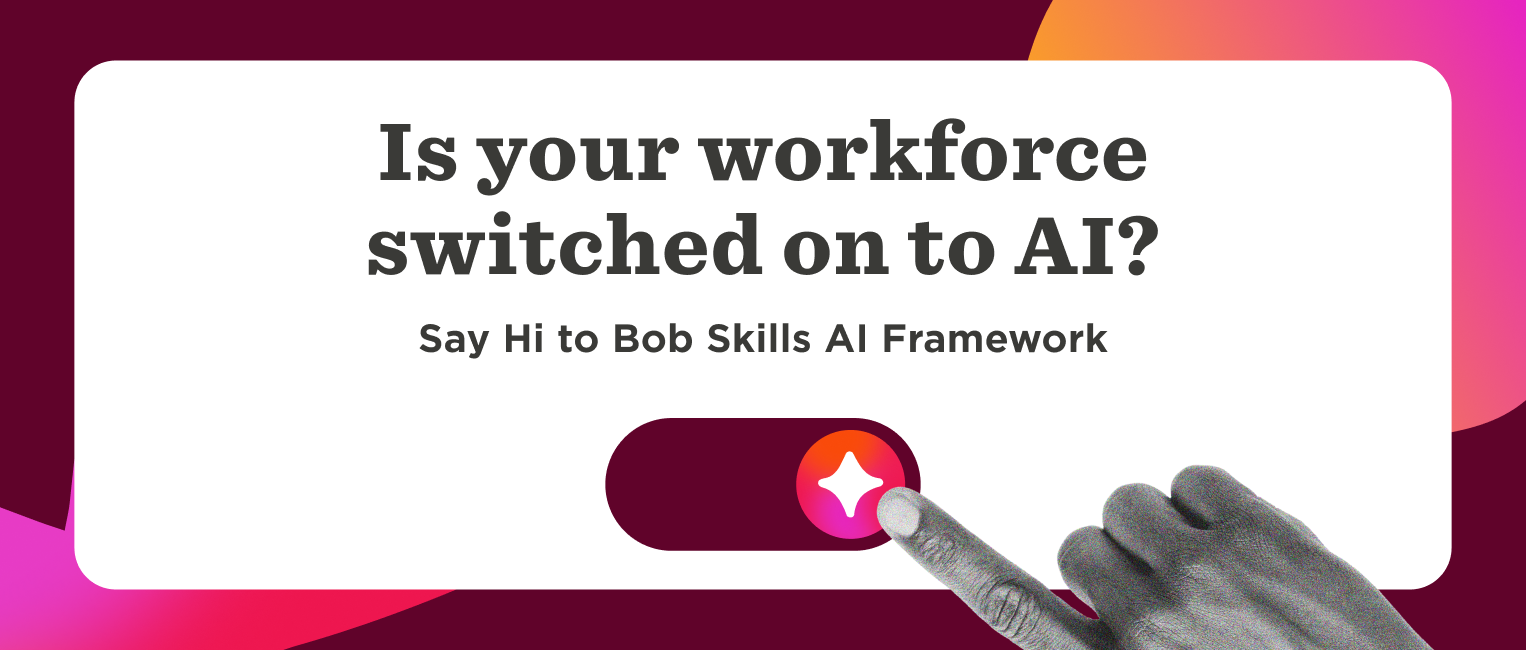
HiBob has launched an AI Skills Framework and an AI Skills Assessment Guide, adding resources meant to help employers define and measure AI-related capabilities by role. The company did not disclose pricing, revenue expectations or customer adoption targets, making this a product expansion rather than a financial milestone.
The launch is aimed at a problem showing up across HR-tech: companies are pushing workers to use AI, while many still lack a common taxonomy for what AI competence means in different jobs. That gap turns AI readiness into a measurement problem as much as a training problem, especially for companies trying to connect hiring, promotion, learning and workforce planning data.
The assessment guide draws on data from 1,200 people and business leaders, according to HiBob, and is intended to identify the gap between what organizations expect from employees and what skills they can actually document. The framework then translates those findings into role-based AI capability definitions that can be used in job expectations, employee development and talent decisions.
HiBob is tying the new materials to Bob, its HR platform, through Skills and Jobs Catalogues. Those catalogues are designed to give employers a centralized record of the skills tied to roles and workforce strategy, rather than leaving skills information spread across performance reviews, job descriptions, learning systems and manager notes.
That positioning places HiBob more squarely in the talent intelligence category, where vendors are trying to make workforce data useful for planning rather than treating HR systems as repositories of employee records. For technology buyers, the relevant question is whether these tools can create a durable skills model that managers use, rather than another HR dataset that ages quickly.
Ronni Zehavi, HiBob’s CEO and co-founder, framed the product move as a response to disconnected systems and fragmented skills data. He said organizations that perform well in the AI shift will need a shared language for skills, a clearer view of where capabilities sit inside the business, and a way to direct talent toward higher-value work.
The company’s broader argument is that skills data is becoming part of operational infrastructure. In that view, an AI skills framework for workforce planning is less about cataloging training modules and more about giving leadership a structured way to compare current capability with future role requirements.
HiBob says more than 5,400 organizations use Bob, including eToro, Fred Perry, Huel, team.blue, SmartRecruiters and Save the Children. The company has not said how many of those customers are expected to use the new AI skills resources or whether the launch changes Bob’s packaging.
The move reflects a wider shift in enterprise HR software as AI adoption creates demand for more precise role mapping. Generic AI literacy programs can show activity, but employers that want to hire, promote or reskill around AI need data models that connect skills to jobs, teams and business priorities. HiBob is betting that its existing people platform can become that system of record for AI readiness.