Big Tech stocks rise after Democrats’ midterm sweep
Amazon, Microsoft, Alphabet and Meta gained as investors weighed a slower data-center buildout after Democrats took Congress.
By Dominic Okoye · Staff Writer
· 2 min read
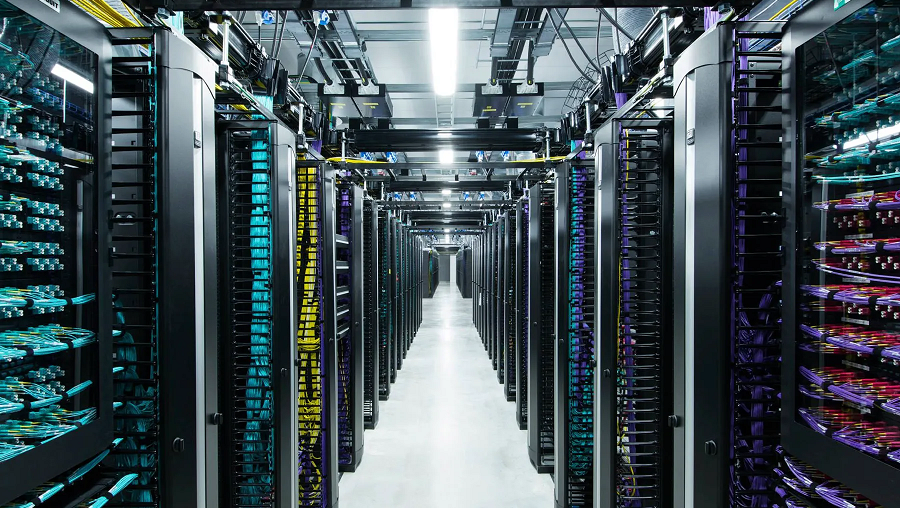
Big Tech stocks rose after the Democrats’ midterm sweep on Nov. 4, as Amazon, Microsoft, Alphabet and Meta gained while investors assessed whether opposition to new data centers could slow the AI infrastructure buildout. Democrats won control of the House and Senate, and the S&P 500 gained 1.6%, the Nasdaq Composite rose 1.4% and the Dow added 3%, Reuters reported.
Microsoft closed up 6.7%, Amazon rose 6.1%, Alphabet gained 3.2% and Meta added 1.4%. The move followed a recent selloff in technology shares tied to concern over the cost of the industry’s AI spending.
The election result did not enact nationwide restrictions on data centers. The stock reaction instead reflected an investor and analyst view that state and local limits, delays or moratoria could reduce the pace of construction. Reuters also cited election certainty, expectations of political gridlock and lower oil prices as factors behind the broader market rally.
Why did Big Tech stocks rise after the midterm sweep?
Investors saw a possible advantage for established hyperscalers that already operate substantial computing capacity. If fewer new data centers are built, existing capacity could become relatively scarcer, while a slower construction schedule could also reduce capital expenditure demands for the largest companies.
That is a market thesis, not a demonstrated result of the election. Art Hogan, chief market strategist at B. Riley Wealth, told Reuters that a slower future buildout could raise the relative value of hyperscalers’ existing facilities and temper their spending. The largest technology companies had planned to spend more than $740 billion this year, up from roughly $400 billion the prior year, according to Reuters.
The same expectation cut the other way for companies whose growth depends on rapid expansion of AI infrastructure. Hut 8 fell 23%, IREN dropped 11%, Core Scientific lost 10% and Applied Digital declined 6.7%. Those operators face a different risk: delays to projects can challenge expansion plans that require substantial financing and continued demand for new capacity.
Chip stocks also broadly weakened. The Philadelphia Semiconductor Index declined 3.1% to a six-month low. AMD was an exception, closing 1% higher after forecasting faster-than-expected growth for 2027, Reuters reported.
The split illustrates how the AI trade is being repriced around buildout speed. Large companies with existing infrastructure may face less spending pressure under a slower expansion scenario, while suppliers and operators have more exposure to the volume of projects that proceed. Whether state or local policymakers impose new limits, and how extensively, remains unresolved.
This story draws on original reporting from SiliconANGLE.