ZuriQ seed funding reaches $25.5 million for trapped-ion quantum chips
Swiss quantum startup ZuriQ raised $25.5 million to scale a two-dimensional trapped-ion processor architecture built with ETH Zürich and Infineon.
By Marcus Adeyemi · Startups Editor
· 3 min read
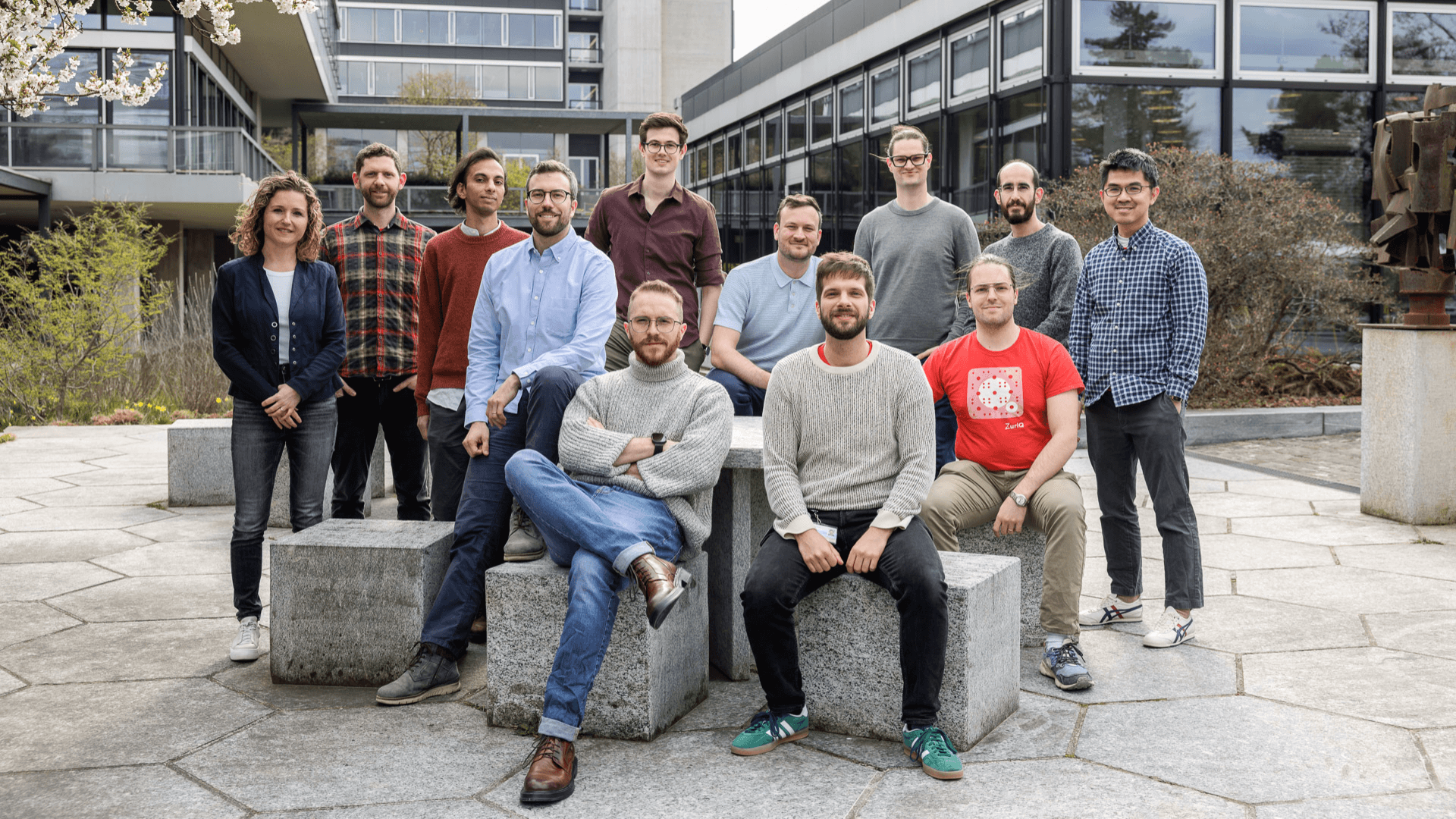
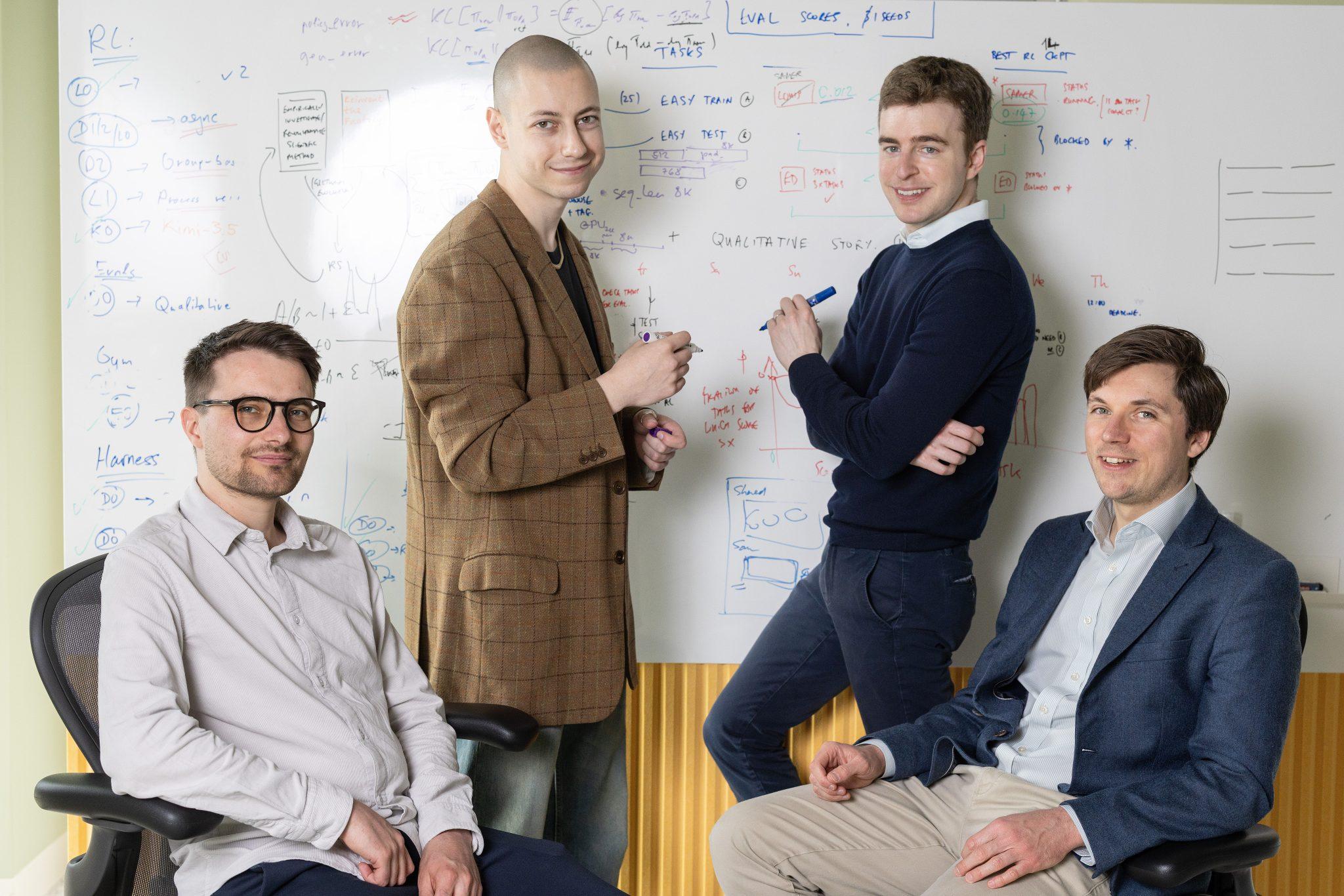
ZuriQ has raised $25.5 million in seed funding to advance its trapped-ion quantum processors, adding capital for a hardware approach that the Swiss startup says can scale beyond conventional ion-chain designs. The ZuriQ seed funding round was led by Quantonation, with Forward.one, Extantia, Firgun Ventures and existing backers also participating.
The company did not disclose a valuation, revenue, customer traction or current headcount. The financing follows a $4.2 million pre-seed round announced in 2025, giving ZuriQ more capital to test whether its processor architecture can move from a lab demonstrator toward commercially useful quantum systems.
ZuriQ was spun out of ETH Zürich and is working on trapped-ion quantum processors. In trapped-ion systems, electrically charged atoms serve as qubits. The hard part is scaling the number of controllable qubits while preserving connectivity and operational reliability.
What is ZuriQ building?
ZuriQ is developing a native two-dimensional trapped-ion architecture using Penning micro-traps. Most trapped-ion quantum computers use one-dimensional chains of ions, with more complex junctions required when systems need to connect multiple chains.
The company says its design replaces the oscillating electric fields used in conventional systems with a static magnetic field. According to ZuriQ, that lets ions move across the chip more freely, which could improve connectivity and make scaling less complicated.
That claim is the center of the company’s pitch. Quantum hardware startups routinely argue that their architecture has a cleaner path to scale, but the proof is in qubit count, gate quality, manufacturability and system uptime. ZuriQ has disclosed an early prototype, though not the commercial performance metrics that would allow direct comparison with more mature trapped-ion platforms.
ZuriQ says it has demonstrated the approach with ETH Zürich researchers through a working prototype. The demonstrator is a three-by-three array containing nine individually controlled ions, which the company describes as the largest two-dimensional trapped-ion array of its kind to date.
The chips behind the prototype were made with manufacturing partner Infineon using established semiconductor production processes, according to ZuriQ. That detail matters for hardware investors because quantum architectures that can use existing fabrication infrastructure may have a more credible path to repeated production, even if the system-level engineering remains difficult.
How will ZuriQ use the money?
ZuriQ said the new funding will go toward hiring, faster research and development, expanded chip fabrication and higher qubit counts for its processor architecture. The company said its current focus is increasing the number of qubits the processors can support, with the goal of enabling commercially viable quantum systems.
Co-founder and CEO Dr Pavel Hrmo said ZuriQ chose a two-dimensional architecture from the beginning because the company views it as a more scalable route than conventional trapped-ion designs and a faster route to industrial applications.
For the quantum sector, the round is another bet on specialized hardware rather than near-term software demand. ZuriQ now has to show that its two-dimensional trapped-ion design can scale beyond a nine-ion demonstrator while keeping the manufacturing and control advantages it claims.
This story draws on original reporting from Tech.eu.