Voodin consortium wins €48.18 million EU grant for wooden blade factory
The EU-backed VB1F project plans an automated plant in Navarre to produce recyclable laminated-wood wind turbine blades from 2031.
By Dominic Okoye · Staff Writer
· 3 min read
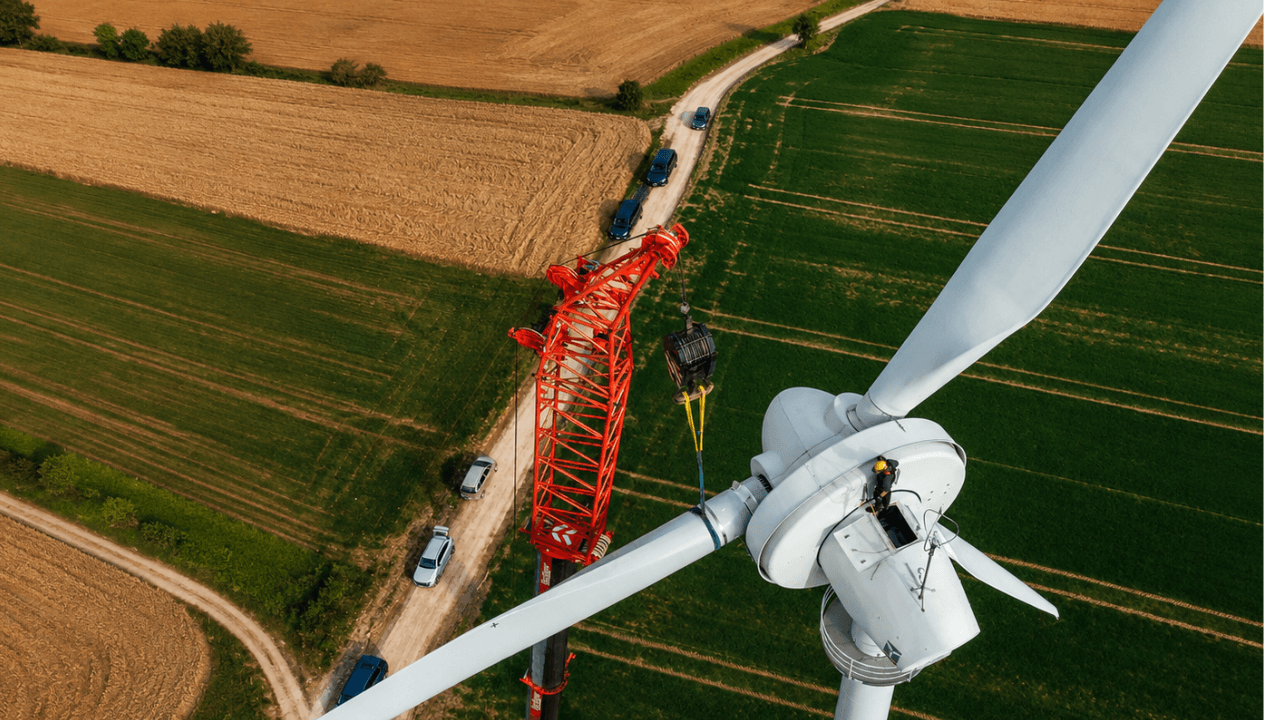
A consortium led by VMG Wood Invest has secured a €48.18 million grant from the EU Innovation Fund to build what it says will be Spain’s first automated, mold-free factory for wooden wind turbine blades. The Voodin Blade 1st Factory project, or VB1F, is intended to scale production of recyclable blades made from Laminated Veneer Lumber, replacing the fiberglass composites that dominate the sector and are difficult to recycle.
The group includes Lithuania’s VMG Wood Invest, which is coordinating the project, VMG Technics, Germany’s Voodin Blade Technology and Germany’s Anker-Tec. The companies did not disclose the project’s total cost, any private capital committed alongside the grant, or commercial contracts for the planned output.
The factory is planned for Navarre, Spain, with launch targeted for 2031. At full capacity, the facility is expected to produce up to 160 blade sets a year and support about 450 local jobs, according to the consortium. It also said turbines using those blades could generate about 13.5 million MWh of electricity over 10 years, though it did not provide the number or type of turbines behind that estimate.
Wood blades as a supply-chain and recycling bet
Voodin Blade Technology says its process uses engineered wood rather than conventional composite materials and is designed to be fully automated and mold-free. The company says this means production can be set up closer to demand, with less specialized labor and less investment than centralized blade factories require. It also says the system can switch between blade designs without retooling for each design.
Tom Siekmann, co-founder and CEO of Voodin Blade Technology, said the manufacturing system is intended for rapid deployment and local production. He said the approach could strengthen European supply chains, reduce reliance on overseas manufacturing and speed wind deployment.
Those are company claims, and the scale-up remains prospective. The plant is not scheduled to start until 2031, and the consortium has not disclosed unit economics, production costs, blade performance data, certification status or how its wooden blades compare with fiberglass blades across operating life, maintenance and insurance requirements.
EU funding targets a waste problem in wind
The grant comes as Europe continues to fund wind buildout while facing end-of-life problems from existing turbine hardware. WindEurope has reported €45 billion raised for new wind projects across Europe in 2025. At the same time, TriplePundit has reported that about 78% of decommissioned wind blades are sent to landfill, reflecting the limits of recycling fiberglass-based components.
VB1F is being positioned against that problem: blades made from Laminated Veneer Lumber are intended to be recyclable and to reduce dependence on composite materials. The project is also framed by the consortium as aligned with the European Green Deal, the Net-Zero Industry Act and REPowerEU.
The consortium says the Navarre model could be licensed and copied in other regions. That licensing plan would make the factory both a production site and a template for distributed blade manufacturing, if the technology works at commercial scale and customers accept wood-based blades for new wind projects.
This story draws on original reporting from Tech.eu.