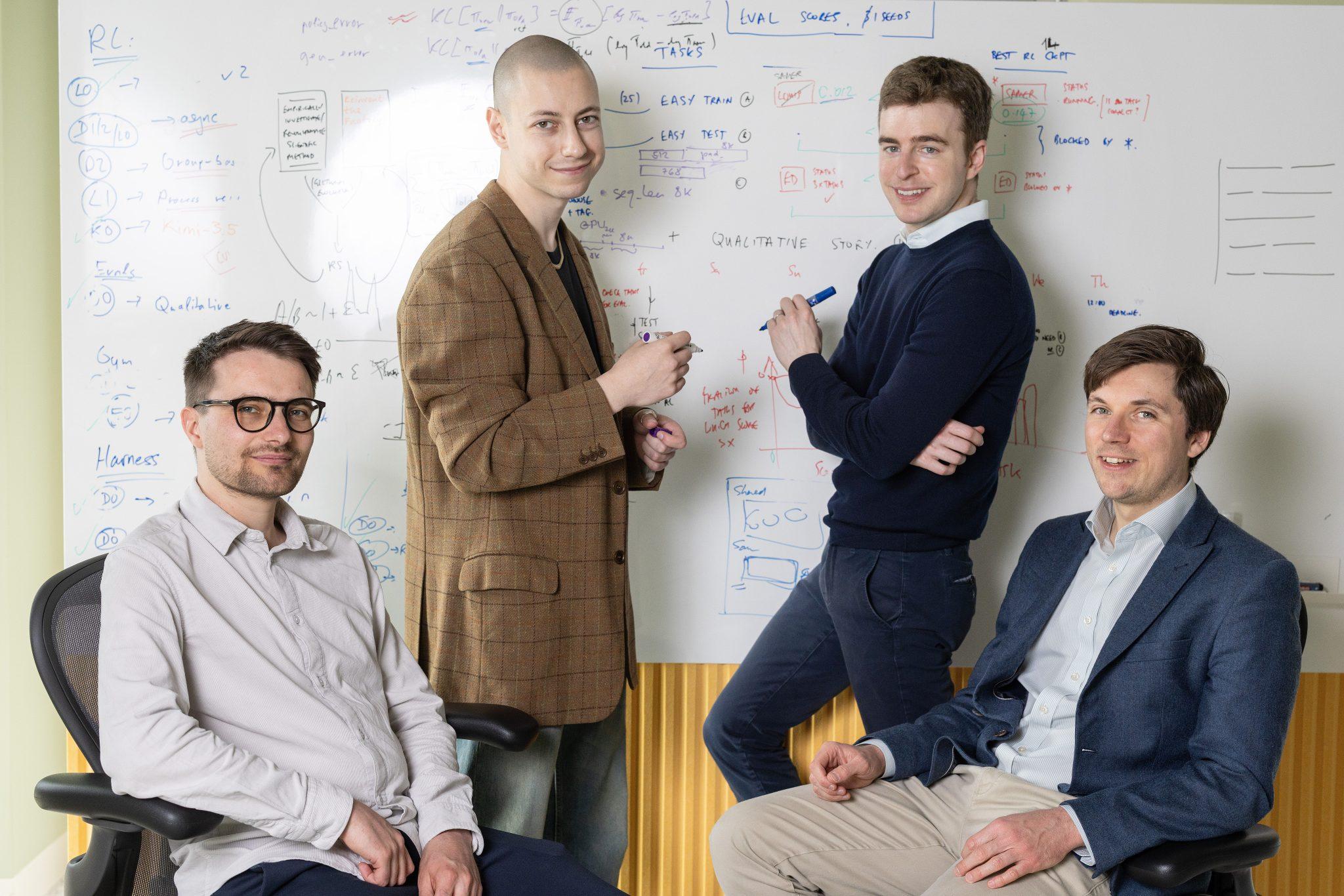
Neko raises $700m as its health scans test behavior-change claims
The Daniel Ek-backed preventative health company is adding clinics and features, while its body-scan avatars raise questions about accuracy and retention.
By Ingrid Halvorsen · Venture Capital Reporter
· 3 min read

Neko Health announced a $700 million Series C as the preventative health startup expands its clinic footprint from Stockholm toward New York. The company, founded by Hjalmar Nilsonne and Spotify cofounder Daniel Ek, is selling a data-heavy annual scan model whose value depends less on one-off diagnostics than on whether customers return and change behavior.
The company has reopened a Stockholm clinic, added a second clinic in the city and is preparing to launch in New York, according to Sifted. Neko did not disclose a valuation in the details reported, and the investor roster was not specified.
The product combines full-body scanning with blood tests and other health checks, then presents results in an app and during a doctor consultation. Sifted’s Europe editor Mimi Billing, who said Neko provided her recent scan at no charge, described a second visit three years after her first scan and wrote that the new results were worse than before, despite the scan saying her body was two years younger than her actual age.
Billing focused on one part of the experience that is less standard in medical testing: Neko’s generated body avatar. She wrote that the avatar showed her body from an unflattering low angle and did not match how she sees herself. After her earlier scan, she compared Neko’s in-app measurements with measurements taken at home and said the app was 8 centimeters off around her waist. This time, she said measurements were not provided, but she remained unconvinced by the avatar’s accuracy.
That is more than a cosmetic complaint for Neko. The company is pitching prevention, and prevention is a retention business. If the scan turns into an annual health subscription, the output has to feel credible enough to bring people back, while also prompting action between visits.
Billing wrote that a doctor at the clinic told her many customers become motivated to change behavior after seeing their avatars. The same doctor, according to Billing, said she had seen avatars that looked worse. Billing said the image did prompt short-term changes, including swapping butter for avocado for almost a week and following advice to work harder on building muscle.
More features, same retention question
Neko has added more tests since Billing’s first scan. Nilsonne told Sifted the company has introduced additional blood tests and changed how it checks blood circulation. This year, Neko also added wearable-device integration and an AI body-composition feature that estimates visceral fat around internal organs.
Nilsonne said new features matter, but argued that Neko becomes more useful as customers repeat the scan. He told Sifted that, on average, 80% of customers return annually. He said retention is lower between the first and second scan, then higher between the second and third, adding that customers who understand the model tend to stick with it.
Neko’s $700 million round lands in a category crowded with companies selling earlier detection, biological-age metrics and consumer-friendly medical data. The company’s own disclosed retention claim is the key operating metric in the account, but revenue, clinic-level economics and overall profitability were not detailed there. For a clinic-based healthtech company, the unanswered questions are straightforward: how much each scan costs to deliver, how much capacity each site can handle and whether the annual habit survives after the novelty of the first avatar wears off.
This story draws on original reporting from Sifted.